
Luxury pool design ideas can transform a California backyard into an extension of the home. The best designs go beyond the water itself, bringing together architecture, landscape, entertaining, privacy, views, and outdoor living. Whether you are designing a new pool...
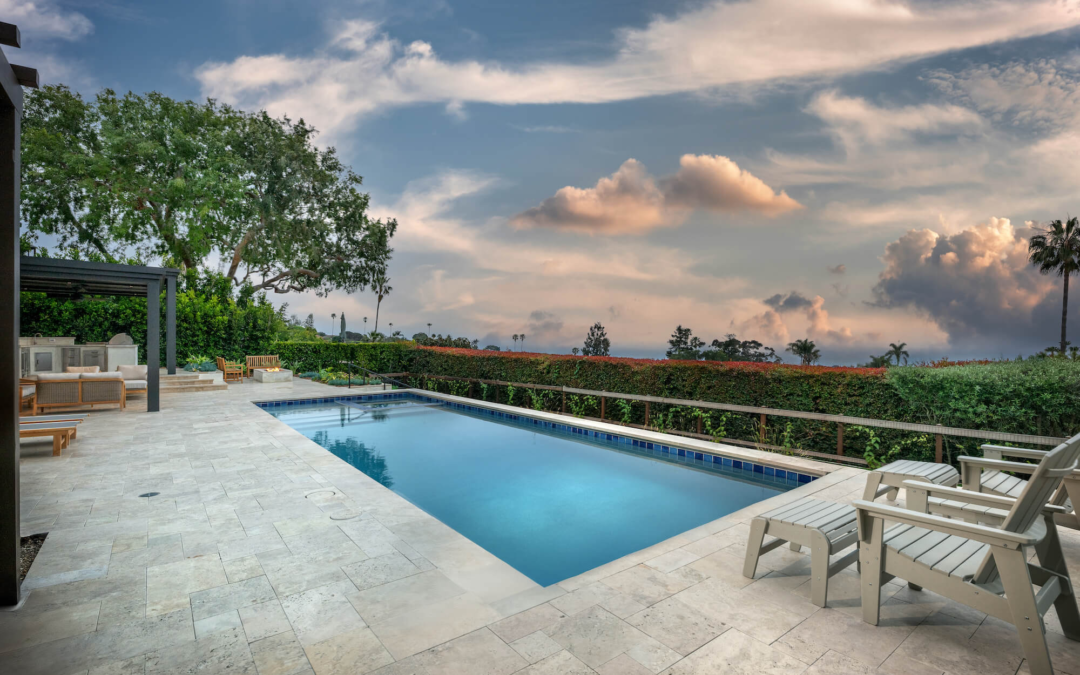
Hillside Infinity Pools: 7 Stunning Design Ideas
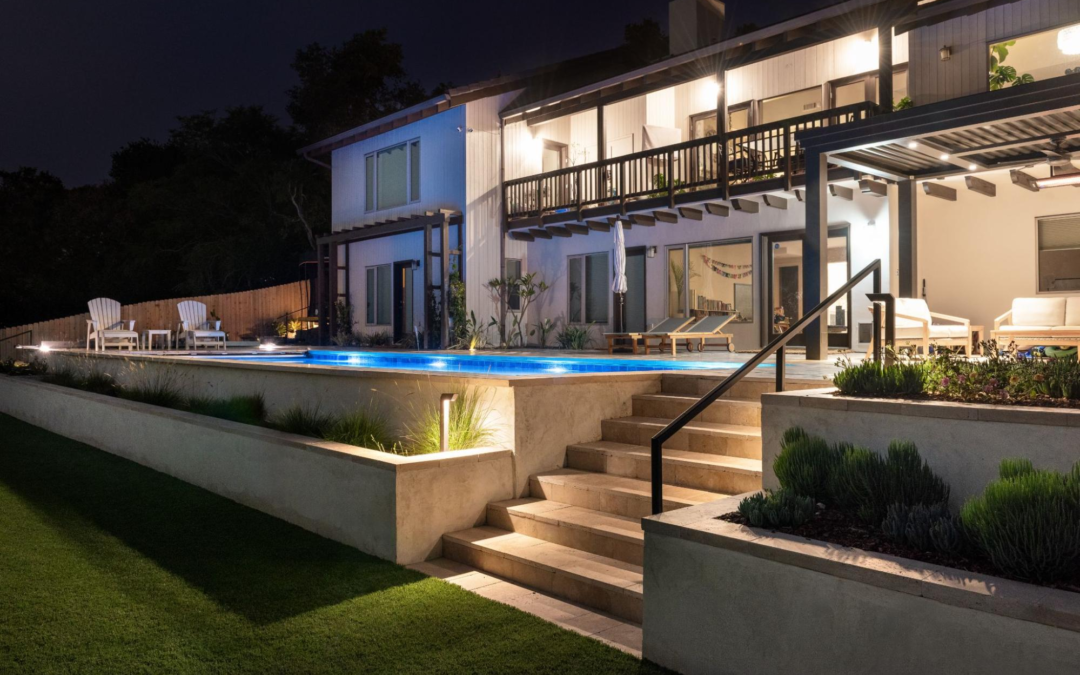
Hillside infinity pools are among the most breathtaking outdoor features for luxury homes in Southern California. Perched above the coastline, nestled into canyon landscapes, or overlooking rolling vineyards, these homes deserve outdoor spaces that embrace their natural surroundings rather than compete with them. When thoughtfully designed, hillside infinity pools create the illusion that water extends seamlessly into the horizon, transforming spectacular views into an integral part of everyday living.
Luxury homeowners in Malibu, Topanga, and Montecito often face unique design opportunities. Sloped terrain, dramatic elevations, and panoramic vistas require more than a standard pool layout. They call for a design-first approach that balances engineering, architecture, and aesthetics to create an outdoor environment that feels timeless while enhancing long-term property value.
For properties with dramatic elevation changes, hillside infinity pools can do more than provide a place to swim. They can connect the home to the landscape, frame distant views, and create a strong architectural focal point that makes the most of the property’s natural setting.
Why Hillside Infinity Pools Are Ideal for Luxury Homes
Hillside infinity pools benefit from natural elevation changes that allow the vanishing edge to become a defining architectural feature. Instead of ending at a visible pool wall, the water appears to merge with the ocean, mountains, or surrounding landscape beyond.
This visual effect creates a sense of openness that simply cannot be achieved with traditional pool construction. Rather than separating the home from its surroundings, hillside infinity pools blur those boundaries, allowing the architecture and landscape to exist in harmony.
For luxury properties overlooking the Pacific Ocean or California’s scenic hillsides, this relationship between water and landscape often becomes the centerpiece of the entire outdoor living experience. The elevation of the property can make the pool feel as though it is suspended above the landscape, creating a dramatic yet refined effect.
Well-designed hillside infinity pools also make use of views that might otherwise be underutilized. By carefully considering the pool’s elevation, orientation, and vanishing edge, designers can create a space that feels deeply connected to its surroundings while maintaining a comfortable and functional backyard.
Every hillside property requires a custom solution
No two hillside homes are alike. A contemporary residence overlooking the Malibu coastline presents different opportunities than a secluded estate tucked into the hills of Topanga or a sprawling Montecito property surrounded by mature landscaping.
Grade changes, existing architecture, retaining walls, view corridors, drainage requirements, and local regulations all influence the final design. Rather than applying a standard layout, every successful hillside infinity pool begins with understanding the unique character of the property.
The property’s topography can also determine the ideal location, orientation, and proportions of the pool. On some sites, the natural slope creates an opportunity for a dramatic vanishing edge. On others, careful grading and structural engineering may be necessary to achieve the desired relationship between the pool, home, and surrounding landscape.
This site-specific approach allows hillside infinity pools to feel intentional rather than simply placed on challenging terrain. The goal is to work with the property and its natural characteristics instead of forcing a conventional pool design onto the site.
Designing Infinity Pools That Feel Connected to the Home
Architecture should guide every design decision
An infinity pool should never feel like an isolated feature placed behind the home. Instead, it should feel like a natural extension of the property’s architecture.
Clean contemporary homes often pair beautifully with long linear pool designs and large-format stone. More organic estates may benefit from softer geometries, warmer materials, and landscaping that blends into the surrounding environment. The goal is not to follow trends but to create an outdoor environment that feels as though it has always belonged to the property.
Hillside infinity pools are particularly successful when their geometry reflects the architectural lines of the home. Strong horizontal lines can emphasize a contemporary residence, while more natural forms can complement homes surrounded by mature trees, stone, and native landscaping.
When the pool and architecture are considered together, hillside infinity pools can create a seamless transition between indoor and outdoor spaces. This connection helps the pool feel like part of the home’s overall design rather than a separate backyard amenity.
View corridors deserve careful planning
One of the greatest advantages of hillside infinity pools is the opportunity to frame spectacular views. The pool should enhance these vistas rather than obstruct them.
Thoughtful placement of spas, fire features, lounge areas, and outdoor kitchens ensures that every destination within the backyard enjoys the scenery. Careful planning also prevents architectural elements from interrupting important sightlines.
For hillside infinity pools overlooking the ocean, the vanishing edge can be positioned to visually align with the horizon. In canyon or mountain settings, the pool can instead be oriented toward a particular ridgeline, valley, or natural feature that defines the property.
These decisions are especially important on hillside properties because the surrounding views are often one of the home’s greatest assets. A thoughtful pool design should frame those views from multiple locations throughout the outdoor environment.
Materials influence both beauty and performance
Premium materials do far more than elevate appearance. Natural stone, porcelain pavers, architectural concrete, and custom tile selections each contribute to durability, safety, and long-term performance.
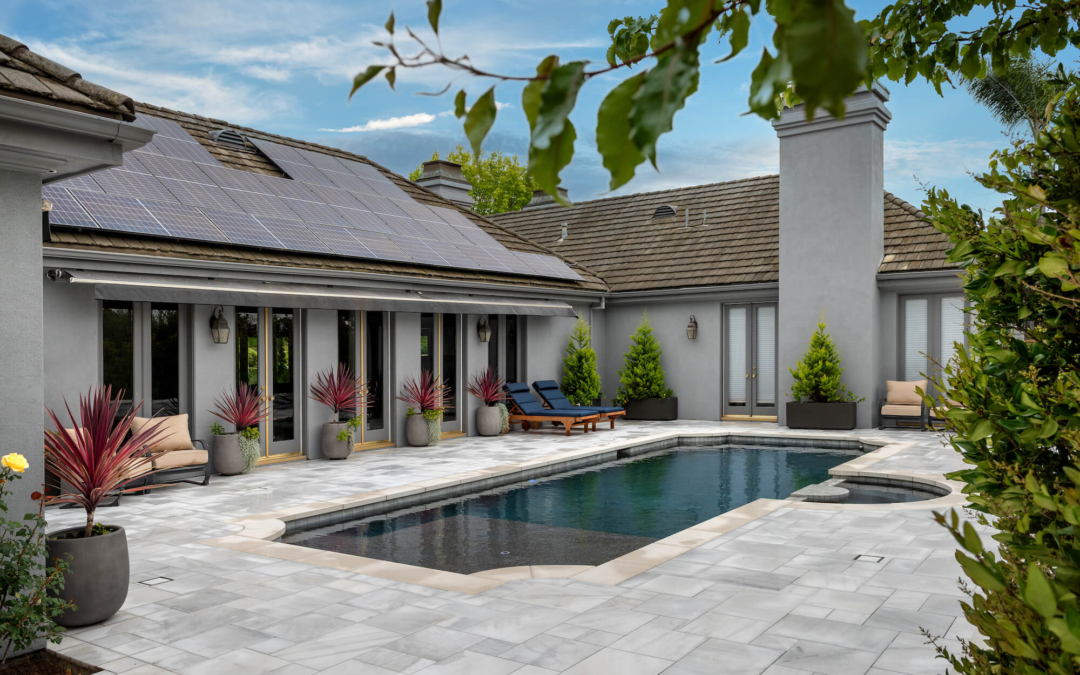
Material selections should complement the home’s architectural style while performing well in Southern California’s climate. Slip resistance, heat retention, maintenance requirements, and aging characteristics all deserve careful consideration during the design process.
For hillside infinity pools, material choices also need to work with the property’s surrounding landscape. Stone coping, pool tile, paving, retaining walls, and exterior finishes can help connect the pool to the architecture and terrain.
A cohesive material palette allows hillside infinity pools to feel integrated into the property rather than visually disconnected from the home. The right combination of textures and finishes can also soften the transition between the pool, hardscape, and natural landscape.
Engineering Makes the Design Possible
Hillside infinity pools require sophisticated engineering that extends well beyond conventional pool installation. Structural retaining systems, specialized foundations, hydraulic design, waterproofing, and drainage all play essential roles in ensuring long-term performance.
Because hillside properties often involve significant elevation changes, every structural component must be carefully coordinated before construction begins. When engineering and design work together from the beginning, homeowners benefit from an outdoor environment that is both visually striking and built to last.
The engineering behind hillside infinity pools is especially important because the vanishing edge depends on precise elevations and hydraulic performance. Water must circulate correctly while the structure remains stable and properly protected from drainage and moisture-related issues.
Early coordination between the design and engineering teams can also help identify challenges before construction begins. This allows the pool, retaining systems, drainage, equipment, and surrounding landscape to be considered as one integrated environment.
Construction quality protects your investment
Luxury outdoor environments demand exceptional craftsmanship. Precise elevations, perfectly aligned materials, seamless waterlines, and proper structural support all contribute to the finished result.
Hillside infinity pools leave little room for shortcuts. Small inconsistencies in grading, structural work, waterproofing, or material installation can affect both the appearance and long-term performance of the finished pool.
Shortcuts taken during construction may not be immediately visible, but they can affect drainage, waterproofing, material longevity, and overall performance years later. Investing in experienced professionals helps protect both daily enjoyment and long-term property value.
For homeowners considering hillside infinity pools, construction expertise should be viewed as an important part of the design investment. A beautiful concept only reaches its full potential when the finished structure is carefully engineered and constructed.
Creating Complete Outdoor Living Spaces
An exceptional infinity pool rarely stands alone. The most memorable luxury backyards combine multiple outdoor amenities into one cohesive composition.
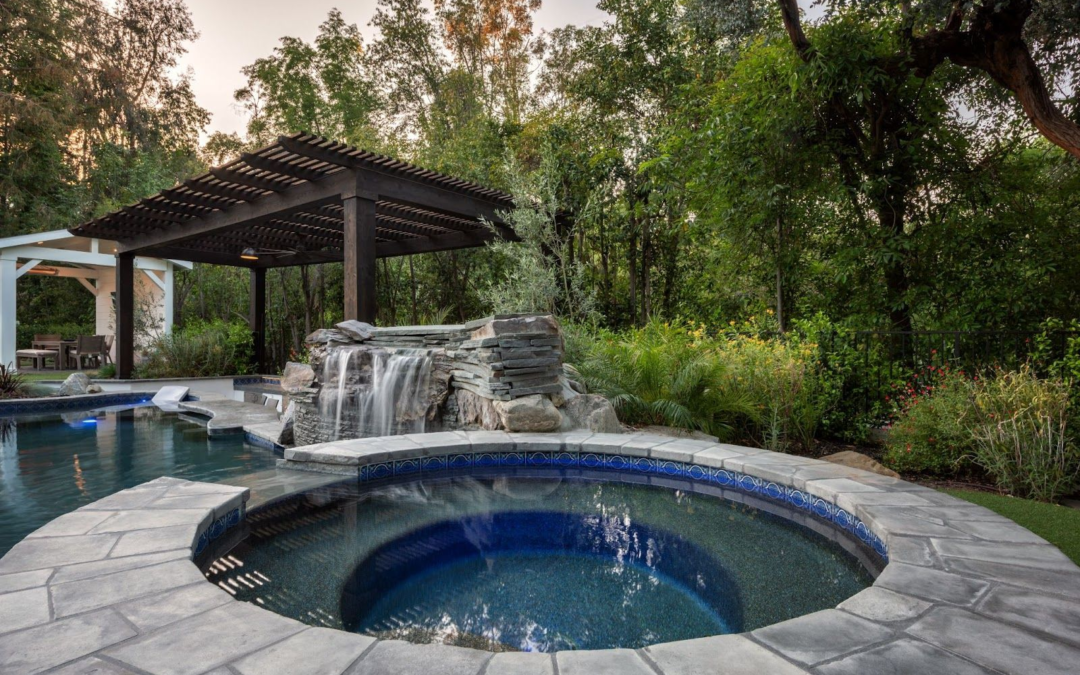
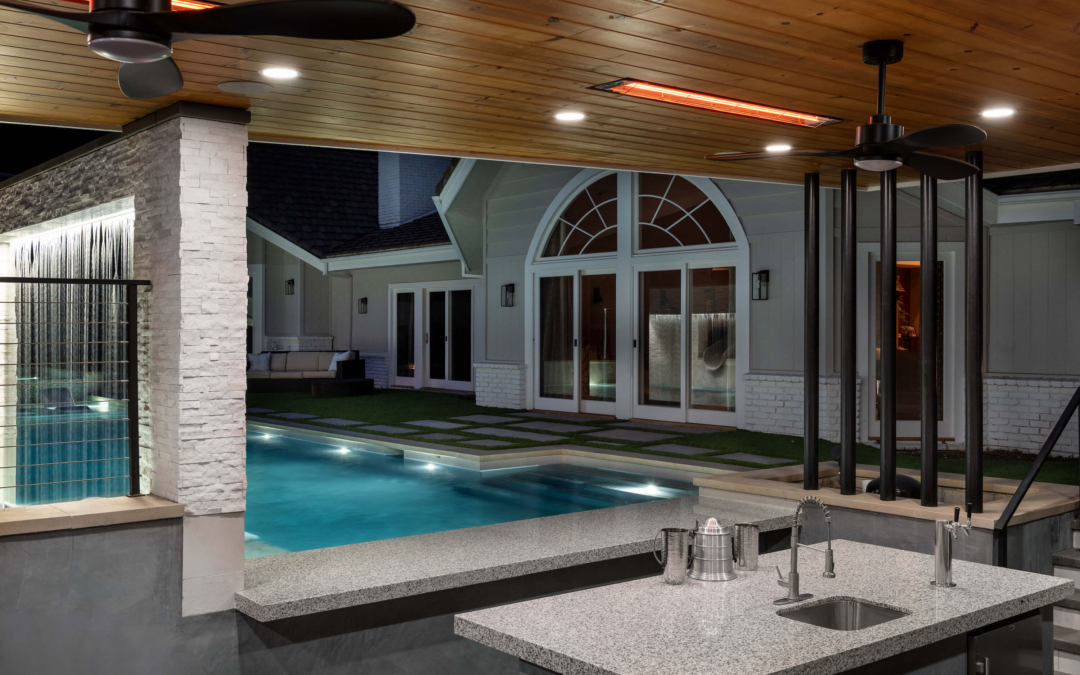
Hillside infinity pools can serve as the central element around which the rest of the outdoor environment is organized. Outdoor kitchens create natural gathering places for entertaining. Fire features extend the usability of the space into the evening. Comfortable lounge areas encourage relaxation while preserving unobstructed views. Integrated lighting transforms the property after sunset and highlights architectural details throughout the landscape.
Rather than treating these amenities as separate additions, they should all be considered during the earliest stages of design so every element feels intentional.
The relationship between hillside infinity pools and surrounding outdoor spaces is particularly important on properties with limited usable terrain. Thoughtful planning can create distinct areas for swimming, dining, entertaining, and relaxing without making the backyard feel crowded.
Landscape design frames the experience
Planting design plays an equally important role. Native and drought-tolerant landscaping can soften architectural edges while preserving valuable sightlines toward the surrounding scenery.
Thoughtfully placed trees, ornamental grasses, and sculptural plantings create privacy without overwhelming the property. The landscape should support the architecture, allowing hillside infinity pools to remain the visual centerpiece while integrating naturally with their surroundings.
Landscape design can also help hillside infinity pools feel more connected to the terrain. Planting around retaining walls, pathways, and pool terraces can soften hard architectural transitions and make the entire environment feel more natural.
On properties with expansive ocean or canyon views, landscaping should be positioned carefully so that mature plantings do not eventually block important sightlines. Strategic planting allows hillside infinity pools to remain visually connected to the landscape for years to come.
Why Infinity Pools Increase Luxury Home Appeal
Hillside infinity pools consistently create memorable first impressions. Buyers often associate vanishing-edge pools with luxury resorts, architectural excellence, and exceptional outdoor living.
When integrated into a professionally designed landscape, hillside infinity pools become far more than recreational features. They enhance the home’s lifestyle, showcase the property’s unique setting, and contribute to the overall character of the estate.
While every property’s value is influenced by many factors, premium outdoor environments often strengthen buyer appeal because they deliver experiences that cannot easily be replicated after purchase.
For luxury properties, the pool can also become one of the defining visual elements of the home. A thoughtfully designed hillside infinity pool can emphasize the property’s architecture, highlight its elevation, and make its surrounding landscape part of the everyday experience.
The strongest designs focus on lasting appeal rather than temporary trends. Quality materials, timeless proportions, thoughtful landscaping, and careful integration with the home can help ensure that hillside infinity pools continue to feel relevant and beautiful over time.
Designing Infinity Pools for Malibu, Topanga & Montecito
Each Southern California community presents unique opportunities for custom design. Malibu properties often maximize expansive ocean views with dramatic vanishing edges. Topanga homes frequently require creative solutions that respond to canyon terrain and changing elevations. Montecito estates benefit from elegant compositions that blend refined architecture with mature landscapes and spacious outdoor living areas.
Hillside infinity pools in Malibu can take advantage of dramatic coastal elevations, creating a visual connection between the water and the Pacific horizon. In Topanga, the surrounding canyon landscape can inspire more organic forms and carefully integrated planting. In Montecito, a refined pool environment may emphasize architectural symmetry, natural stone, mature landscaping, and generous outdoor living areas.
Rather than applying a one-size-fits-all approach, every project should respond to the property’s architecture, topography, and the way the homeowners envision living outdoors.
This is what makes hillside infinity pools particularly compelling for Southern California properties. The surrounding environment becomes part of the design, giving each pool an opportunity to feel unique to its location and the people who live there.
Ready to Design an Infinity Pool That Belongs to the Landscape?
At Fluidity, every project begins with a comprehensive design process that considers the architecture, landscape, engineering, and lifestyle goals of each client. The result is an outdoor environment where every element works together to create a seamless experience.
Our approach to hillside infinity pools is centered on creating designs that respond to the property’s natural elevation, architecture, views, and surrounding landscape. From the initial concept through construction, each detail is considered to create an outdoor environment that feels cohesive and built specifically for the property.
To learn more about our design-first approach, visit the Fluidity homepage, explore our design resources, or contact us to begin planning your custom infinity pool.
Ryan Clow, Owner
Fluidity Pool Designs
805-669-1200
[email protected]
Dive Into More Design Ideas
15 Luxury Pool Design Ideas for California Homes
Building a Pool in Southern California: What Homeowners Need to Know
Building a pool is one of the most significant improvements you can make to your Southern California home. With the right design, a pool can create a beautiful outdoor living space while complementing your home's architecture, landscape, and lifestyle. However,...
What Happens Before a Pool Is Built? The Complete Pre-Construction Process
Building a pool starts long before the first shovel hits the ground. What happens before construction begins can have just as much impact on the final result as the construction itself. From understanding the property to developing the design, coordinating...
Recent Comments