
How long does it take to build a pool? It is one of the first questions homeowners ask when they begin planning a new pool. Understanding the pool construction timeline can help you know what to expect from the initial consultation through the final walkthrough. A...
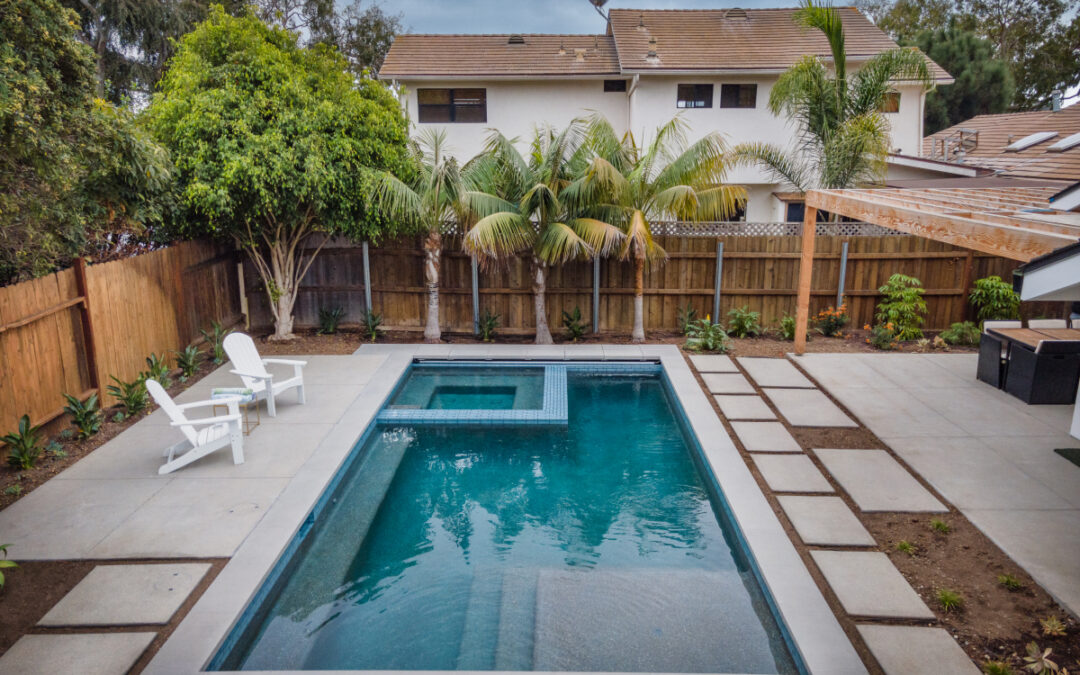
When to Resurface a Pool?
A pool’s finish is more than its color. It sets the visual temperature of the water, shapes how the pool relates to surrounding stone and landscape, and protects the vessel beneath. For homeowners wondering when to resurface a pool, the answer rarely comes down to one small blemish. It comes from reading the finish as a whole: its age, texture, condition, and whether it still supports the level of beauty and comfort you expect from your outdoor environment.
In Southern California, sun exposure, mineral-rich water, chemical balance, salt systems, and constant use can all shorten the life of a surface. Understanding when to resurface a pool can help you recognize deterioration before it becomes a larger concern. A timely resurfacing project protects the structure, restores the pool’s presence, and creates an opportunity to refine an entire backyard rather than simply repair a tired finish.
Resurfacing Is Different From Routine Repair
A few isolated issues do not always mean the pool needs a new interior. Small tile repairs, a localized plaster patch, or equipment-related water-quality problems may be addressed without a full renovation. Resurfacing becomes the more appropriate investment when deterioration is widespread, the finish feels uncomfortable underfoot, or repairs are becoming a recurring compromise. Knowing when to resurface a pool can help you determine whether the problem calls for a simple repair or a more comprehensive renovation.
The distinction matters because an aging surface can disguise larger concerns. Etching, staining, and roughness may begin as visual distractions, but they can also make the pool harder to maintain and less pleasant to use. Once the finish is no longer performing as intended, continued patching often creates a pieced-together appearance that feels out of place in an otherwise considered property.
When to Resurface a Pool? Look for These Signs
The most reliable indicator is not a calendar date. It is a change in the pool’s condition. If you are deciding when to resurface a pool, begin by considering the age, appearance, texture, and performance of the existing finish. Traditional white plaster often lasts roughly seven to 10 years, while premium exposed aggregate and pebble finishes can serve a pool for 15 to 25 years or longer with proper care. Installation quality, water chemistry, climate, and usage all influence that range.
Persistent Staining That Will Not Lift
Some stains are surface-level and respond to professional treatment. Others are embedded in the finish from metals, organic material, mineral deposits, or chemical imbalance. If discoloration returns quickly after cleaning, spreads across large areas, or has become visually dominant, resurfacing may be the most refined solution. For homeowners considering when to resurface a pool because of staining, persistent discoloration is one of the clearest reasons to schedule a professional evaluation.
This is especially true when a once-crisp white or pale finish has turned mottled, gray, or uneven. In a luxury setting, the water should read as intentional and luminous, not like a maintenance issue waiting to be solved.
Rough, Etched, or Pitted Plaster
A healthy pool surface should feel smooth and comfortable. When plaster becomes abrasive, swimmers may notice scraped toes, snagged swimwear, or a gritty feel along benches and steps. Roughness often results from etching, a process in which imbalanced water gradually wears away the surface.
Pitting and small divots are another concern. While they may look minor at first, they create pockets where algae and debris can settle, increasing the effort required to keep the pool pristine. If you are evaluating when to resurface a pool based on comfort and maintenance, persistent roughness and pitting are important warning signs. A new surface restores both tactile comfort and day-to-day ease of care.
Cracks, Delamination, or Hollow Areas
Hairline cracks can occur in a finish without signaling structural failure, but they should always be evaluated by an experienced pool professional. Larger cracks, areas where the finish is lifting away from the shell, or spots that sound hollow when tapped may indicate delamination. Those conditions call for a more thorough assessment before selecting a finish.
The right approach is not to conceal the issue with a cosmetic layer. It is to identify the cause, address any substrate concerns, and rebuild the finish system with precision. This is an important part of determining when to resurface a pool, because surface deterioration should be addressed before it develops into a more extensive renovation.
Frequent Chemical Demand and Difficult Water Quality
When an old, porous surface begins holding onto algae, scale, or stains, the pool may require more frequent chemical adjustments and cleaning. Equipment should be checked as well, since circulation and filtration play a central role in water quality. But if the system is operating properly and the interior still resists maintenance, the finish may be at the end of its useful life. Understanding when to resurface a pool means looking beyond appearance and considering how the surface performs as part of the entire pool system.
A resurfacing project is an ideal time to reconsider automation, saltwater conversion, filtration, heating, and water-treatment technologies. These upgrades can make a beautifully renovated pool substantially easier to enjoy.
A Finish That No Longer Fits the Property
Not every resurfacing decision is driven by damage. A dated blue plaster, mismatched waterline tile, or faded interior can make an otherwise exceptional backyard feel disconnected from a home’s architecture. When the pool was built decades ago, its original finish may not reflect the property as it exists today.
For many homeowners, resurfacing becomes the foundation of a larger design update: new coping, tile, lighting, landscape integration, a spa refresh, or a more sophisticated water color. If you are asking when to resurface a pool from a design perspective, an outdated finish can be just as meaningful as physical deterioration. The pool remains familiar, but the entire setting feels newly composed.
Timing a Pool Resurfacing Project in Southern California
The best time to resurface depends on your intended use of the backyard and the scope of the work. If you are asking when to resurface a pool in Southern California, cooler months can be attractive for projects that need to be complete before summer entertaining begins. However, scheduling should account for permitting, material selections, weather conditions, and any related hardscape or equipment upgrades.
If your pool is losing water, showing significant delamination, or developing active surface failures, waiting for a preferred season may not be wise. A professional inspection can distinguish between a project that can be thoughtfully planned and one that should be addressed promptly to prevent more extensive repairs.
For a purely aesthetic renovation, begin the design conversation well before your desired completion date. Premium tile, custom finishes, specialty lighting, and integrated outdoor features deserve adequate lead time. Rushed selections tend to diminish the very sense of permanence a luxury renovation should achieve.
Choosing a Surface That Will Age Beautifully
The new finish should be selected for more than a sample-board color. Water depth, sun orientation, surrounding materials, and the desired mood all affect how a surface will appear once submerged. A soft ivory aggregate may produce a calm, resort-like blue, while deeper tones can create a more dramatic, reflective water plane.
Traditional plaster offers a classic look and a lower initial investment, but it generally has a shorter lifespan than upgraded finishes. Quartz and exposed aggregate surfaces offer greater durability and visual depth. Pebble finishes are prized for their longevity and natural variation, though their texture should be considered carefully, particularly on tanning shelves, steps, and spa seating. When considering when to resurface a pool, the lifespan and characteristics of the new finish should be part of the conversation from the beginning.
Waterline tile is equally influential. It frames the pool and helps manage the visual transition between water and architecture. A resurfacing project is often the right moment to replace dated tile, refine the coping line, and coordinate materials with outdoor kitchens, fire features, or adjacent terraces. The trade-off is scope: expanding the renovation can increase investment and construction time, but it can also prevent a newly finished pool from sitting beside visibly outdated details.
Treat Resurfacing as a Design Decision, Not a Patch
A pool renovation should begin with a close look at the entire environment. Is the pool shape still right for how you entertain? Does the spa feel integrated? Are the lights flattering after sunset? Is the equipment tucked away, quiet, and simple to control? These questions turn a necessary resurfacing project into an opportunity to create a more complete outdoor living experience.
At Fluidity, that broader perspective informs each renovation. Through design-led planning and precise construction oversight, the goal is to ensure a new finish belongs to the home, the landscape, and the way the owners want to live outside.
Before selecting materials, ask for a detailed evaluation of the existing shell, plumbing, tile, coping, and equipment. A clear scope protects the integrity of the project and gives you confidence that the investment is being directed where it matters most. Ultimately, when to resurface a pool comes down to the condition and performance of the existing finish, not simply its age. The right resurfacing plan should leave you with more than a repaired pool – it should renew the setting where family gatherings, quiet mornings, and long summer evenings naturally unfold.
Ryan Clow, Owner
Fluidity Pool Designs
805-669-1200
[email protected]
Dive Into More Design Ideas
How Long Does It Take to Build a Pool? A Complete Timeline
How to Choose the Right Pool Lighting for Your Backyard
Your pool doesn’t disappear when the sun goes down. In fact, the right pool lighting can completely transform how your backyard looks and feels at night. Thoughtfully placed lights can highlight architectural details, improve safety, create a relaxing atmosphere, and...
9 Pool Features That Can Transform Your Backyard
The right pool features can transform a backyard from a place to swim into a complete outdoor environment. The best features are not simply added for appearance. They can improve how you use the pool, create a stronger connection between the pool and surrounding...

Recent Comments