805-669-1200 [email protected]
Pool Design for Thousand Oaks Homes: What to Consider

Pool Design for Thousand Oaks Homes: What to Consider

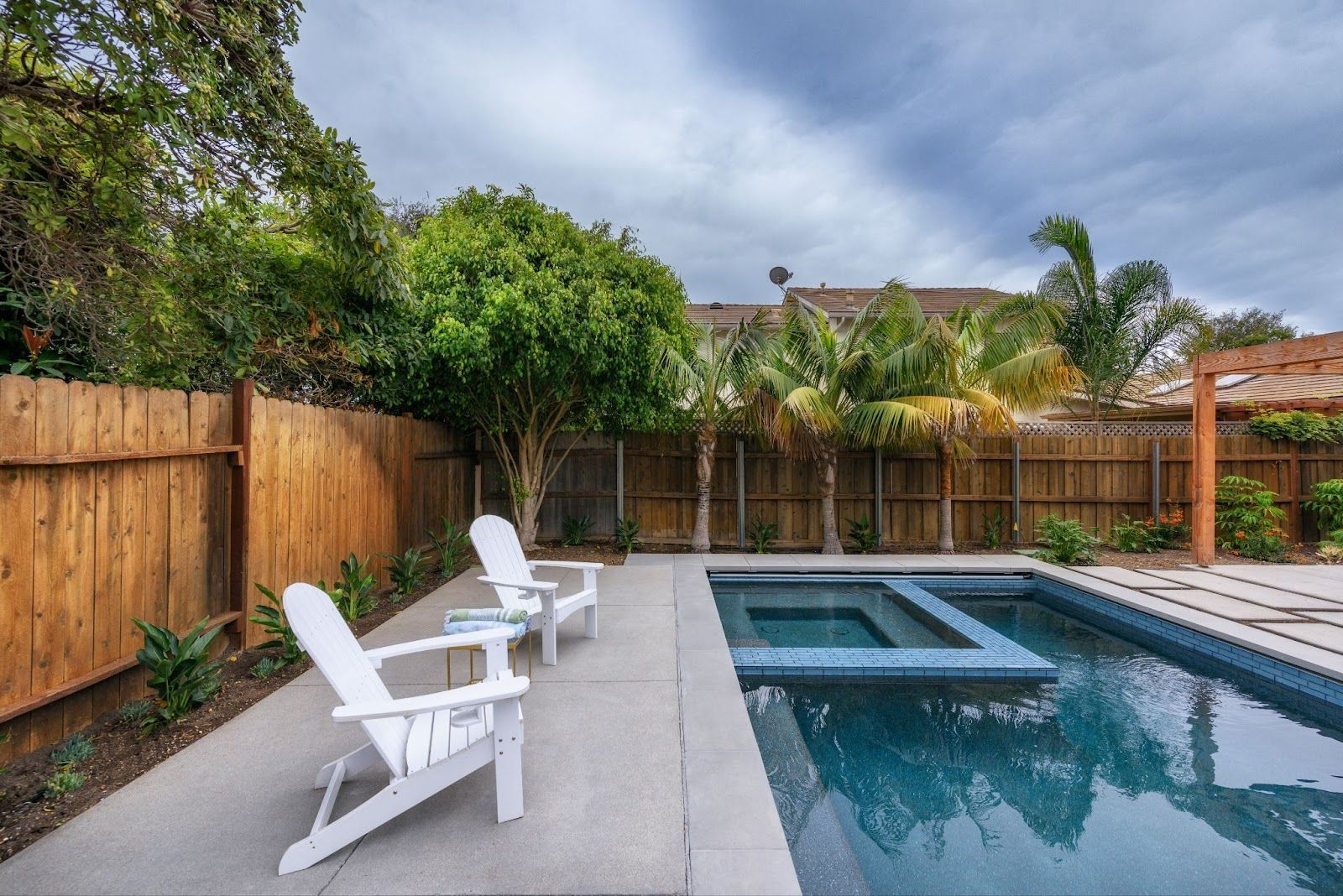
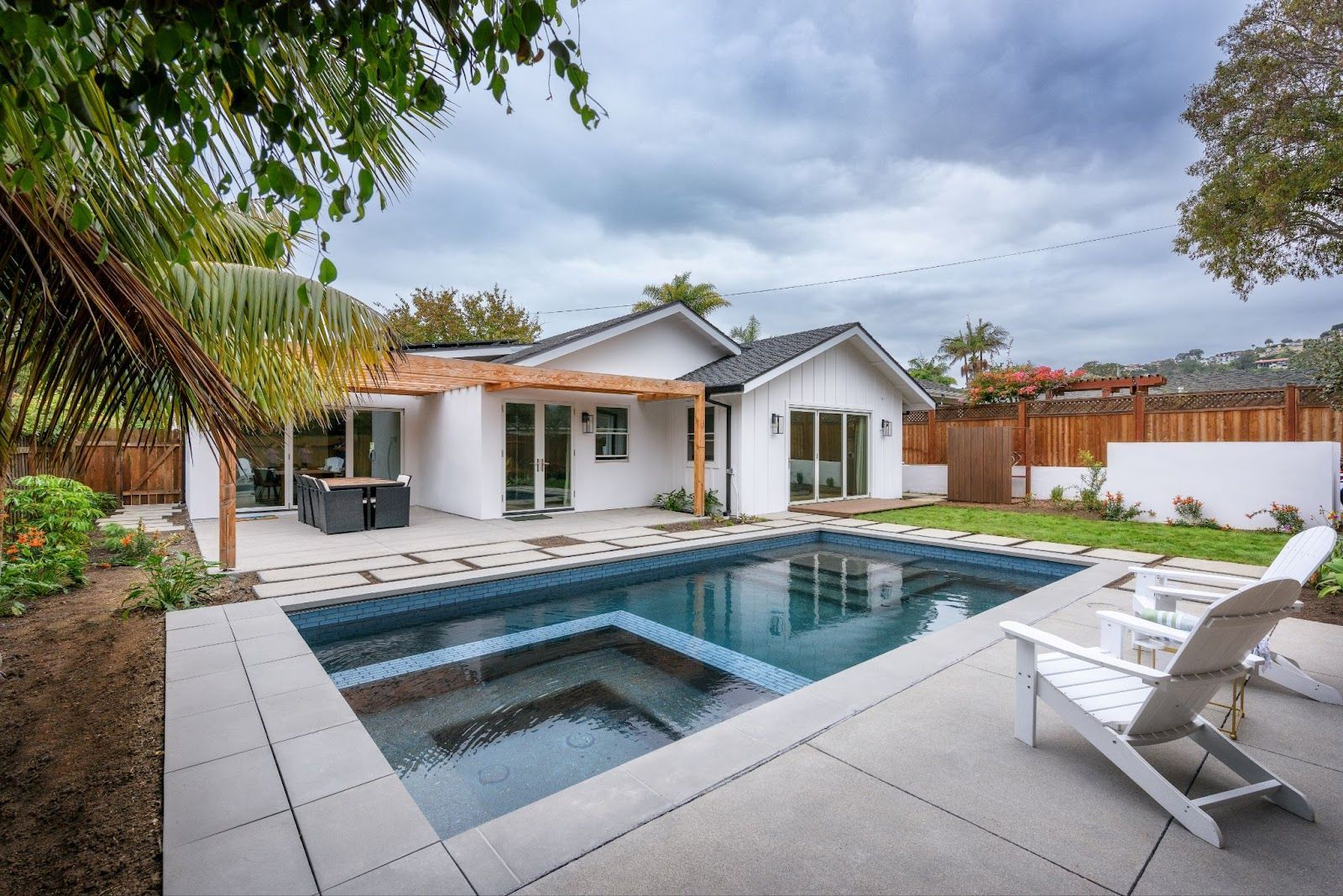
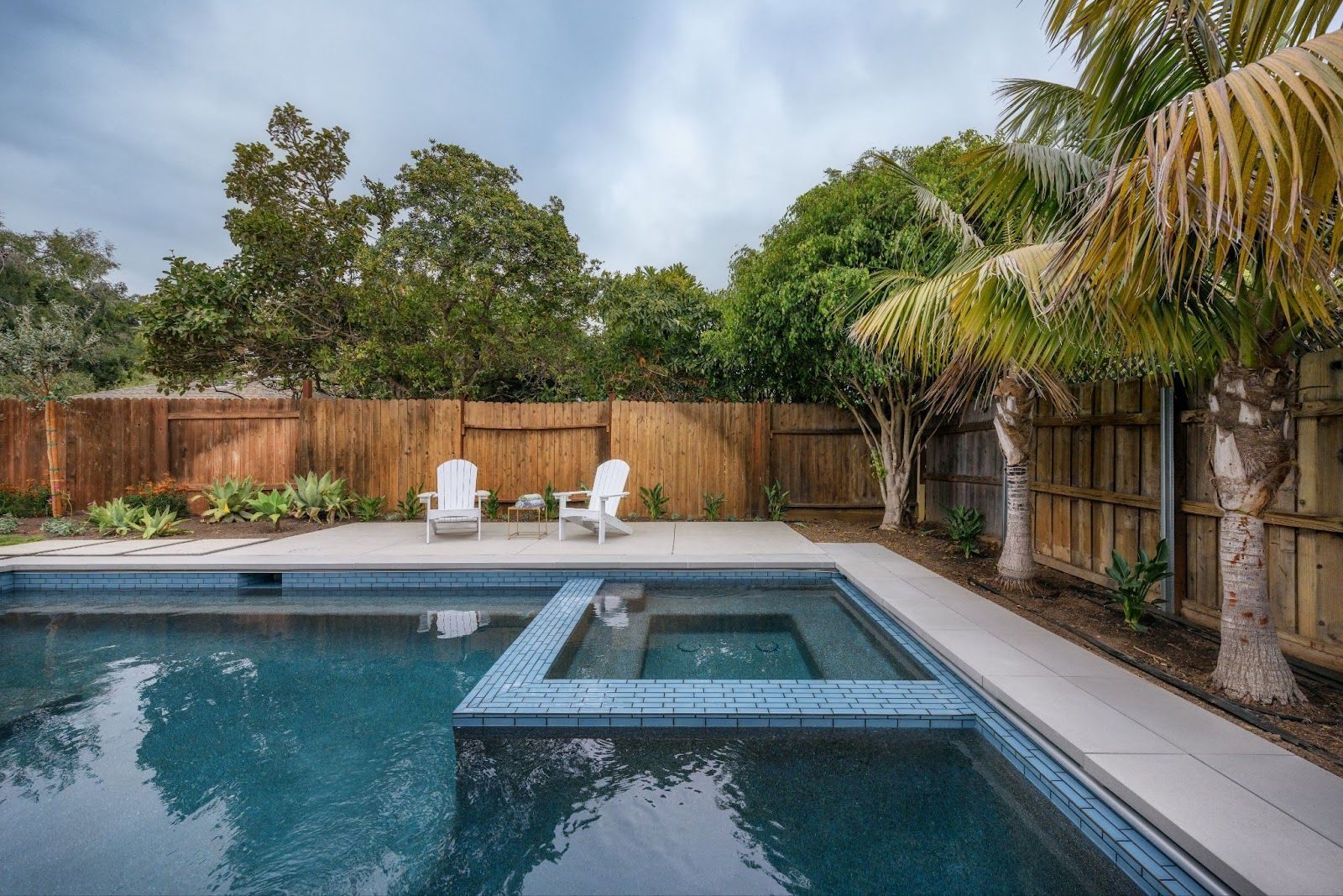
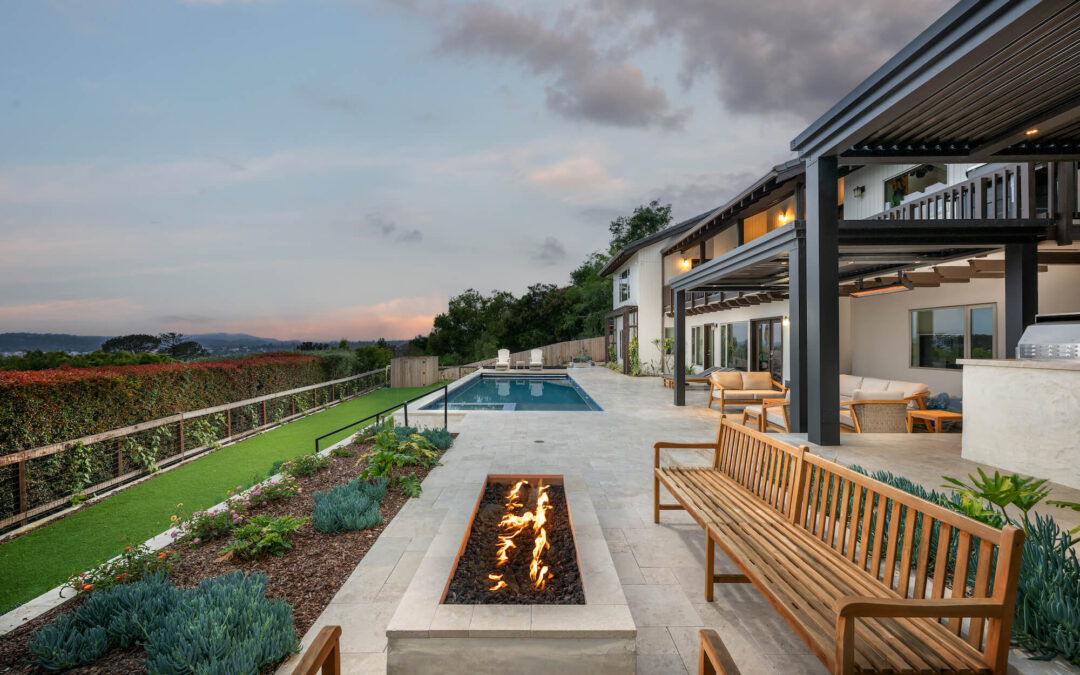
Thousand Oaks pool design should begin with the property itself. From warm summers and varied lot sizes to hillside terrain, surrounding views, and established landscaping, the Conejo Valley presents a range of conditions that can shape how a pool and outdoor living space come together.

A successful pool should do more than fit within the available space. It should complement the architecture of the home, respond to the landscape, and support the way the space will actually be used. Here are some of the most important considerations when planning a Thousand Oaks pool design.


1. Start With the Property


Every property has its own opportunities and limitations. Lot size, existing structures, elevation changes, sun exposure, drainage, landscaping, and the location of the home can all influence where a pool should be placed.

A thoughtful Thousand Oaks pool design starts by understanding these conditions before determining the shape or size of the pool. A larger property may allow for an expansive pool, separate spa, outdoor kitchen, or multiple entertaining areas, while a more compact backyard may benefit from a simpler layout that makes every part of the space feel intentional.

The goal is to create a design that works with the property rather than forcing the property to accommodate a predetermined concept.


2. Design Around the Architecture


The pool should feel connected to the home. Its proportions, geometry, materials, and surrounding hardscape can all influence how seamlessly the backyard relates to the architecture.

For a modern home, clean lines and carefully aligned edges may create a natural connection between the structure and pool. A Mediterranean, Spanish, or more traditional home may call for softer shapes, natural materials, or details that complement the existing architecture.

Thousand Oaks pool design is most successful when the pool feels like part of the overall property rather than an isolated feature in the backyard.


3. Take Advantage of Views and Elevation


Some Thousand Oaks properties offer views toward surrounding hills and open landscapes. Elevation changes can also create opportunities to make the pool a stronger visual connection between the home and its surroundings.

Depending on the property, an infinity edge, raised spa, or carefully positioned pool can help emphasize a view while giving the backyard a stronger sense of depth.

However, elevation also brings practical considerations. Slope, drainage, retaining structures, soil conditions, and engineering may all affect the design and construction process. These factors should be evaluated early rather than treated as an afterthought.


4. Consider How the Pool Will Be Used


The best pool design reflects the people who will use it. A family may want shallow areas for younger swimmers, while another household may prioritize swimming laps, entertaining guests, or creating a quiet place to relax.

A Thousand Oaks pool design can incorporate features around these specific needs. Baja shelves, integrated spas, swim lanes, wide steps, tanning ledges, and comfortable seating areas can each serve a different purpose.

Before adding features, think about how you want to spend time in the backyard. The layout should support those activities naturally without making the design feel overcrowded.


5. Create a Complete Outdoor Living Space


A pool is often only one part of a larger outdoor environment. Patios, dining areas, outdoor kitchens, fire features, lounge spaces, and landscaping can all influence how the finished backyard feels and functions.

Rather than designing the pool first and fitting everything else around it, consider the backyard as one connected space. Circulation between the home, pool, kitchen, and seating areas should feel intuitive.

Fluidity’s approach to seamless indoor-outdoor living spaces considers how these areas can work together to create a cohesive extension of the home.

A well-planned Thousand Oaks pool design can make the entire backyard more useful, not simply add a place to swim.


6. Choose Materials for the Conejo Valley Climate


Material selection has both visual and practical implications. Pool tile, coping, decking, stone, plaster, and other finishes should complement the home while also performing well in the local climate.

Thousand Oaks experiences warm, dry summers, which means outdoor materials need to be considered for prolonged sun exposure and heat. Pool decks should remain comfortable and functional, while finishes should be selected with durability and long-term maintenance in mind.

A cohesive material palette can also help connect the pool to the surrounding landscape. Natural stone, warm tones, contemporary finishes, or more traditional materials can each create a different relationship between the pool and home.


7. Plan for Privacy and Landscaping


Privacy can play an important role in the experience of a backyard pool. Existing trees, hedges, walls, fencing, and the positioning of neighboring homes can all influence how private a pool feels.

Landscaping can be used to soften hardscape, frame views, define different areas, and create separation without making the backyard feel enclosed.

In a Thousand Oaks pool design, landscaping should be considered alongside the pool rather than added after construction. This allows planting areas, pathways, privacy elements, and other landscape features to feel integrated with the overall layout.


8. Think About Pool Features Before Construction


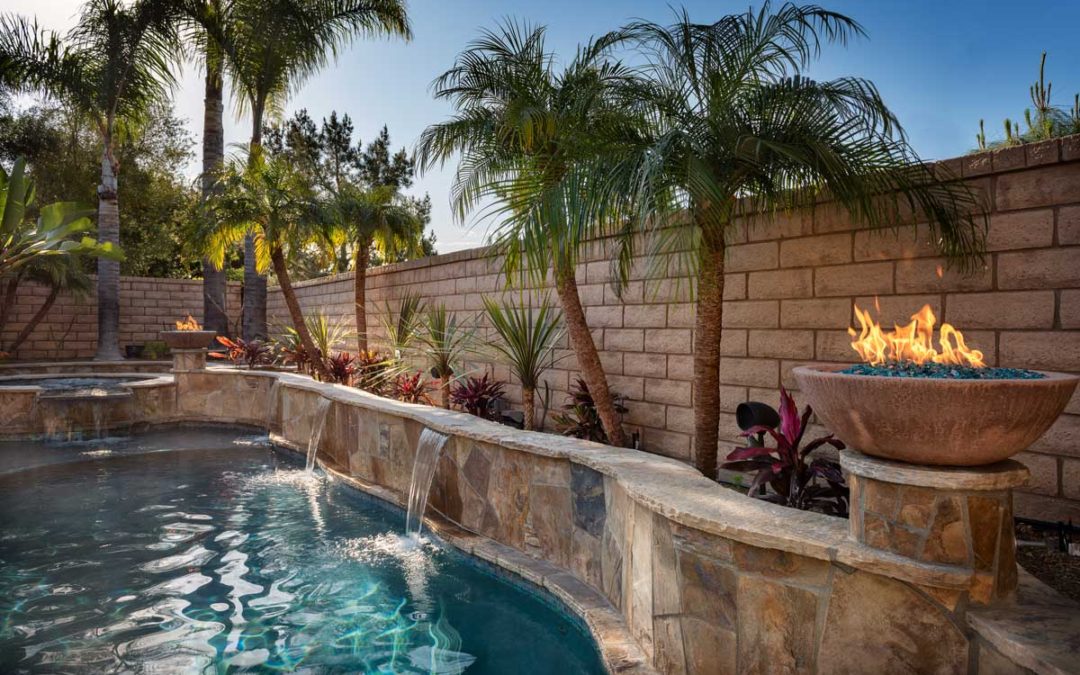
Features such as integrated spas, fire bowls, water features, lighting, automation, and heating can change both the appearance and functionality of a pool. Planning them early gives the design and construction team an opportunity to coordinate the necessary plumbing, electrical, equipment, and structural requirements.

For example, fire features can extend the visual appeal of the pool into the evening, while automation can make it easier to manage heating, filtration, lighting, and water features.

The right features depend on the property and how you plan to use the space. A considered Thousand Oaks pool design does not need every possible upgrade. It needs the features that contribute to the experience you want to create.


9. Consider Equipment and Maintenance From the Beginning


Pool equipment is an important part of the planning process, even though it may not be the most visible element of the finished design. Pumps, filters, heaters, automation systems, and water management equipment all need appropriate space and access.

Equipment placement can affect plumbing runs, electrical requirements, noise, maintenance access, and the appearance of surrounding areas. Planning these details alongside the pool can help prevent compromises later in construction.

Modern equipment and automation can also improve efficiency and simplify everyday pool management. Variable-speed pumps, smart controls, heating systems, and other technologies can be selected based on the pool’s size, features, and expected use.


10. Plan Around Local Requirements


Thousand Oaks pool design also needs to account for local permitting and property requirements. Depending on the site, a project may involve engineering, grading, drainage considerations, safety requirements, inspections, or HOA approval.

Addressing these requirements early can help prevent unnecessary changes once the design is underway. It also gives the project team a clearer understanding of what can be built and how the property should be approached.

Fluidity’s Thousand Oaks pool design and construction services account for local conditions, permitting, engineering, HOA requirements, and the construction process from concept through completion.


Bring the Whole Property Together


The most successful Thousand Oaks pool design considers more than the pool itself. The architecture, landscape, views, outdoor living areas, materials, equipment, and everyday use should all contribute to one cohesive environment.

With the right planning, a pool can become a natural extension of the home and a meaningful part of the way you use your property. Whether the goal is a quiet retreat, a space for entertaining, or a complete outdoor living environment, the design should be tailored to the property and the people who will enjoy it.

For more inspiration, explore Fluidity’s luxury pool design ideas for California homes and see how thoughtful planning can transform a backyard into a cohesive outdoor experience.


Ready to start planning your pool? Contact Fluidity Pool Designs to discuss your Thousand Oaks property, vision, and next steps.

Ryan Clow, Owner
Fluidity Pool Designs
805-669-1200
[email protected]

Dive Into More Design Ideas

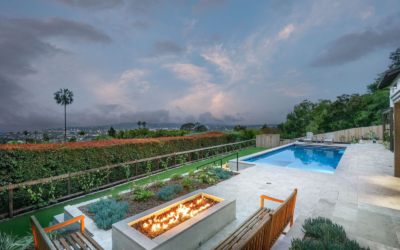
How Long Does It Take to Build a Pool? A Complete Timeline

How Long Does It Take to Build a Pool? A Complete Timeline

How long does it take to build a pool? It is one of the first questions homeowners ask when they begin planning a new pool. Understanding the pool construction timeline can help you know what to expect from the initial consultation through the final walkthrough. A...
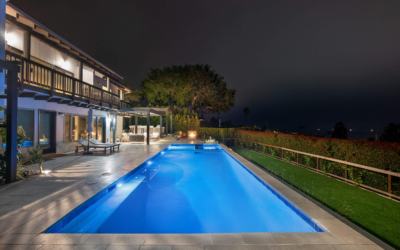
How to Choose the Right Pool Lighting for Your Backyard

How to Choose the Right Pool Lighting for Your Backyard

Your pool doesn’t disappear when the sun goes down. In fact, the right pool lighting can completely transform how your backyard looks and feels at night. Thoughtfully placed lights can highlight architectural details, improve safety, create a relaxing atmosphere, and...

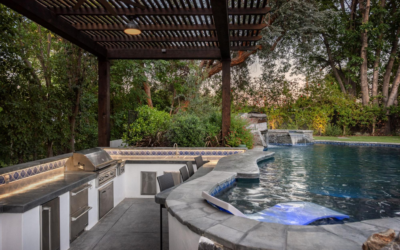
9 Pool Features That Can Transform Your Backyard

9 Pool Features That Can Transform Your Backyard

The right pool features can transform a backyard from a place to swim into a complete outdoor environment. The best features are not simply added for appearance. They can improve how you use the pool, create a stronger connection between the pool and surrounding...

How to Plan Your Backyard Around a New Pool

How to Plan Your Backyard Around a New Pool

A new pool can completely transform a backyard, but the pool itself is only one part of the finished space. The most successful outdoor environments are planned as a whole, with the pool, patio, landscaping, dining areas, gathering spaces, and architectural details working together from the beginning.

Thoughtful backyard pool design considers more than where the water will go. It looks at how homeowners move through the property, where they want to relax, how they entertain, how the landscape frames the space, and how the backyard will feel throughout the day.

Whether you are starting with a blank canvas or working with an established landscape, planning the backyard around a new pool can help create an outdoor space that feels cohesive, functional, and intentional.


1. Start With How You Want to Use the Space


Before deciding on materials or features, think about how you want to experience your backyard.

Will the pool primarily be used for swimming and exercise? Will it be the center of family gatherings? Do you envision long afternoons lounging by the water, outdoor dinners with friends, or quiet evenings around a fire?

These questions can influence nearly every decision that follows.

For example, a backyard designed primarily for entertaining may benefit from generous seating, an outdoor kitchen, and dining space positioned close to the pool. A property focused on relaxation may prioritize comfortable lounge areas, shade, landscaping, and an integrated spa.

The goal of backyard pool design is not simply to fit a pool into the available space. It is to create an environment that supports the way you actually want to use your property.

Starting with your lifestyle gives the rest of the backyard pool design a clear direction, helping each feature serve a purpose within the finished space.


2. Plan the Pool and Hardscape Together


The pool and surrounding hardscape should be considered as one design rather than two separate elements.

Decking, patios, steps, retaining walls, pathways, and other hardscape features determine how the pool connects to the rest of the backyard. Their placement can also establish natural circulation throughout the space.

Consider how someone will move from the house to the pool, from the pool to an outdoor kitchen, or from a lounge area to the garden. These transitions should feel natural rather than requiring people to navigate around disconnected spaces.

The scale of the hardscape matters, too. A large pool surrounded by a narrow strip of decking may feel cramped, while too much hardscape can make a backyard feel stark.

Thoughtful backyard pool design finds the right balance between water, hardscape, landscaping, and open space.

Planning these elements together also gives backyard pool design a stronger sense of continuity, allowing the pool and surrounding spaces to feel like parts of one environment.


3. Create Zones for Relaxing and Entertaining


A backyard does not need to have one single purpose. Creating distinct zones can make the space feel larger and more versatile.

A pool area might include a combination of:

  • Lounge seating
  • Outdoor dining
  • A shaded sitting area
  • An outdoor kitchen
  • A fire feature
  • A spa
  • Open lawn or garden space
  • Poolside areas for sunbathing

These spaces do not necessarily need walls or barriers between them. Changes in paving materials, landscaping, furniture placement, elevation, or overhead structures can subtly define each area while keeping the backyard connected.

When planning backyard pool design, think about how these zones relate to one another. A dining area should be close enough to the kitchen to be convenient, while a quieter lounge might benefit from being positioned farther from the main gathering areas.

Creating these relationships during the design process can make the finished backyard feel more intentional and easier to use.

A well-planned backyard pool design allows each zone to have its own purpose while still contributing to the overall experience.


4. Design Outdoor Dining Around the Pool


For homeowners who enjoy entertaining, outdoor dining can become one of the most important parts of the backyard.

Instead of treating a dining table as an afterthought, consider how it will fit into the larger pool environment. Its location should provide enough space for comfortable movement while maintaining a connection to the pool and surrounding landscape.

An outdoor dining area can be positioned beneath a covered patio, pergola, or other shade structure. Depending on the property, it may also connect directly to an outdoor kitchen or entertaining area.

Backyard pool design should account for these spaces early so that circulation, utilities, shade, and sightlines are all considered together.

A well-planned dining area can also help the backyard transition naturally from daytime pool use to evening entertaining.

Incorporating dining into the backyard pool design from the beginning can create a more functional connection between cooking, gathering, and time spent around the water.


5. Use Landscaping to Connect the Backyard


Landscaping plays an important role in making a new pool feel like it belongs within the property.

Plants can soften hardscape, frame the pool, establish privacy, and connect different areas of the backyard. They can also create a sense of transition between the architecture of the home and the more natural parts of the landscape.

Existing trees and mature plantings should be considered carefully before construction begins. In some cases, preserving an established tree can help maintain the character of the property and provide shade or visual interest around the new pool.

New landscaping can then build upon those existing elements.

For backyard pool design, landscaping should not simply fill the spaces left after the pool and patio are complete. It should be part of the design from the beginning.

The right combination of planting, hardscape, and pool placement can make the entire backyard feel like one cohesive environment.

Bringing landscaping into the backyard pool design early can also help determine where privacy, shade, pathways, and gathering spaces should be positioned.


6. Plan for Privacy Without Closing In the Space


Privacy is another important consideration when planning a backyard around a new pool.

Depending on the property, privacy can be created through landscaping, walls, fencing, architectural screens, or strategic placement of outdoor structures. The goal is to provide a comfortable sense of separation without making the backyard feel enclosed.

Layered landscaping can be especially effective. Trees can provide height, while shrubs and lower plantings create additional screening closer to the pool.

Privacy should also be considered from multiple viewpoints. Think about what the pool looks like from the house, neighboring properties, outdoor seating areas, and other parts of the backyard.

Good backyard pool design balances privacy with openness. You want the space to feel private enough to enjoy, while still preserving important views and maintaining a connection to the surrounding landscape.

With privacy considered from the beginning, backyard pool design can create a comfortable retreat without sacrificing the openness of the property.


7. Consider Shade and Sun Exposure


A backyard can feel very different depending on the time of day, which makes sun exposure an important part of the planning process.

Some areas may benefit from full sun, particularly around the pool or a tanning ledge. Other areas may be more comfortable with shade, especially outdoor dining and lounge spaces.

Shade can come from existing trees, covered patios, pergolas, umbrellas, or architectural structures. Each option creates a different visual and functional experience.

When developing backyard pool design, consider how sunlight will move across the property throughout the day. A seating area that feels comfortable in the morning may receive intense afternoon sun, while another part of the yard may become shaded later in the day.

Planning around these patterns can help make the backyard more comfortable and usable throughout the day.

Sun exposure is an important part of backyard pool design because it can influence where people naturally gather, relax, dine, and spend time around the pool.


8. Think About Lighting From the Beginning


Outdoor lighting can dramatically change the atmosphere of a backyard after sunset. It can also improve visibility and help define different areas of the property.

Pool lighting can highlight the water, steps, and architectural features. Landscape lighting can draw attention to trees, planting, walls, and pathways. Lighting around patios and gathering spaces can create a warm, inviting environment for evening use.

Rather than adding lighting only at the end of the project, incorporate it into the overall design.

Backyard pool design can use lighting to create visual connections between the pool, home, landscape, and outdoor living spaces. Subtle lighting along pathways can guide movement, while strategically placed fixtures can emphasize architectural or landscape features.

The result should feel layered and intentional rather than overly bright.

Considering lighting early allows backyard pool design to remain visually connected after sunset, when different areas of the property can take on a completely different atmosphere.


9. Leave Room for the Details


It can be tempting to fill every available part of the backyard with features, but open space is also an important part of the design.

A well-planned backyard needs room to breathe.

Consider where children might play, where guests might gather, or where you may want to add furniture or landscaping in the future. Leaving some flexibility in the layout can make the property easier to adapt over time.

The same principle applies to the pool itself. Not every project needs multiple water features, fire elements, structures, or built-in amenities. The strongest designs are often the ones where each feature has a clear purpose.

Thoughtful backyard pool design is about creating balance. The pool should be an important focal point without overwhelming the rest of the property.

Leaving room for open space gives backyard pool design the flexibility to feel comfortable and natural rather than crowded with features.


10. Bring the Entire Backyard Together


Once the major elements have been considered, look at the backyard as one complete environment.

The pool should relate to the architecture of the home. The hardscape should connect the pool to outdoor living areas. Landscaping should soften and frame the built elements. Lighting should extend the experience into the evening. Furniture and finishing details should reinforce the overall character of the space.

Materials can also help create continuity. Repeating complementary stone, tile, wood, or other finishes across different areas can make separate zones feel connected without making everything look identical.

This is where thoughtful backyard pool design can make the greatest difference. Instead of seeing the pool, patio, landscape, and outdoor kitchen as individual additions, the entire backyard becomes one cohesive composition.

When every element is considered together, backyard pool design can create a space that feels connected from the home to the pool and throughout the surrounding landscape.


Design the Backyard Around the Way You Live


A new pool has the potential to become the center of your outdoor lifestyle, but creating a truly successful backyard requires looking beyond the pool itself.

The best backyard pool design considers how every part of the property works together, from the first step outside the house to the view from the pool, the placement of a dining table, the shade over a lounge area, and the landscape surrounding it all.

At Fluidity Pool Designs, we approach each project as a complete outdoor environment. By considering the pool, architecture, landscape, hardscape, and outdoor living spaces together, we can create a backyard that feels intentional from every angle.

A thoughtful backyard pool design can help ensure that the finished space feels connected to your home and supports the way you want to live outdoors.

When every element is considered together, your new pool can become more than a standalone feature. It can become the foundation for a backyard designed around how you live, gather, relax, and enjoy your home.


Ryan Clow, Owner
Fluidity Pool Designs
805-669-1200
[email protected]

Dive Into More Design Ideas
How Long Does It Take to Build a Pool? A Complete Timeline
How Long Does It Take to Build a Pool? A Complete Timeline

How long does it take to build a pool? It is one of the first questions homeowners ask when they begin planning a new pool. Understanding the pool construction timeline can help you know what to expect from the initial consultation through the final walkthrough. A...

How to Choose the Right Pool Lighting for Your Backyard

How to Choose the Right Pool Lighting for Your Backyard

Your pool doesn’t disappear when the sun goes down. In fact, the right pool lighting can completely transform how your backyard looks and feels at night. Thoughtfully placed lights can highlight architectural details, improve safety, create a relaxing atmosphere, and...
9 Pool Features That Can Transform Your Backyard

9 Pool Features That Can Transform Your Backyard

The right pool features can transform a backyard from a place to swim into a complete outdoor environment. The best features are not simply added for appearance. They can improve how you use the pool, create a stronger connection between the pool and surrounding...

What to Know About Pool Equipment and Automation Before You Build

What to Know About Pool Equipment and Automation Before You Build

When planning a new pool, most homeowners naturally focus on the visible elements: the shape, finish, tile, landscaping, and features that will define the finished space. But some of the most important decisions happen behind the scenes.

Pool equipment determines how efficiently your pool operates, how much maintenance it requires, and how easy it is to control. Pumps, filtration, heating, sanitization, lighting, and automation all need to work together as one system.

Planning your pool equipment early gives you an opportunity to select systems that are properly sized for your pool, integrated into the overall design, and suited to the way you plan to use the space.

If you are preparing to build a new pool, here are nine things to understand about pool equipment and automation before construction begins.


1. Pool Equipment Is Part of the Pool Design


Pool equipment should not be treated as an afterthought. The equipment system has a direct impact on how your pool operates once construction is complete.

Before a pool is built, equipment needs to be considered alongside the pool’s size, plumbing configuration, water features, heating requirements, sanitization system, and expected use.

A larger pool may require different equipment than a smaller pool. A pool with an integrated spa, multiple water features, or extensive lighting may also have different system requirements than a simple swimming pool.

Thinking about pool equipment during the design phase allows the system to be properly integrated rather than trying to accommodate it after the pool has already been built.


2. Proper Equipment Sizing Matters


One of the most important parts of selecting pool equipment is making sure each component is appropriately sized.

Equipment should be selected based on factors such as pool volume, plumbing, circulation requirements, and how the pool will be used. Simply choosing the largest available equipment does not necessarily create a better-performing system.

Properly sized pool equipment can operate more efficiently and help the system perform as intended. Undersized equipment may struggle to meet the demands of the pool, while oversized equipment may not operate as efficiently as it could.

Fluidity evaluates the pool’s specifications and usage requirements when determining equipment needs rather than relying on a one-size-fits-all approach.

Proper sizing is one of the details that can make a significant difference in how pool equipment performs over time.


3. Understand What Your Pool Pump Does


The pump is one of the central components of a pool’s circulation system. It moves water through the filtration and treatment equipment and back into the pool.

For new pool construction, variable-speed pumps are an important option to consider. Unlike traditional single-speed pumps, variable-speed models can adjust their motor speed based on the amount of circulation needed.

They can run at lower speeds for routine filtration and increase their speed when greater water flow is needed for features or other applications.

This flexibility can improve efficiency while also allowing the pump to operate at different levels depending on what the pool requires.

When evaluating pool equipment, the pump should be considered as part of the entire circulation system rather than as an isolated component.


4. Choose the Right Filtration System


Filtration is responsible for removing debris and particles from the water as it circulates through the pool system.

There are several types of pool filters, including cartridge, sand, and diatomaceous earth, commonly called DE, filters. Each has different filtration characteristics and maintenance requirements.

The right option depends on factors such as pool size, surrounding conditions, the amount of debris the pool typically receives, and your preferences for ongoing maintenance.

Because filtration is closely connected to circulation, filter selection should be considered alongside the pump and the rest of the pool equipment system.

Understanding your filtration options before construction can help you make a more informed decision about how you want your pool to operate and how much maintenance you are comfortable managing.


5. Think About How You Want to Heat the Pool


Heating is another equipment decision worth making early in the planning process. The best system depends on your climate, pool size, desired water temperature, and how you expect to use the pool.

Gas heaters can warm pool water quickly and are useful when you want heating on demand. Heat pumps generally operate more efficiently but heat water more gradually and can be less effective in colder conditions.

The choice can also depend on whether you want to maintain a consistent swimming temperature or primarily heat the pool or spa for occasional use.

Proper sizing is important here as well. Heating equipment should be matched to the volume of water and the conditions in which the pool will operate.

Considering heating during the initial pool design allows the equipment requirements to be incorporated into the larger system from the beginning.


6. Decide How You Want to Handle Sanitization


Water sanitization is essential to maintaining a clean and comfortable swimming environment, and there are several approaches to consider.

Salt chlorine generators are one option. These systems use dissolved salt to generate chlorine automatically, reducing the need to manually add chlorine to the pool.

Other supplemental water treatment options include UV and ozone systems. These systems can be used alongside traditional sanitization to provide additional treatment and potentially reduce the amount of chlorine required.

Chemical automation is another option for homeowners who want more consistent monitoring of water chemistry. Systems can monitor factors such as pH and oxidation-reduction potential and automatically adjust chemical levels when needed.

The right pool equipment setup depends on your pool, maintenance preferences, and the level of automation you want. These decisions are best made before construction so the necessary plumbing and electrical requirements can be incorporated into the project.


7. Consider Pool Automation From the Beginning


Automation can make managing a pool significantly easier by bringing multiple systems together under one control interface.

Depending on the system selected, automation can control pumps, heaters, lighting, sanitization equipment, water features, and spa functions. Homeowners can use a control panel or smartphone app to manage equipment, create schedules, and monitor different aspects of the pool.

For example, a homeowner may be able to schedule filtration, adjust the temperature, turn on pool lighting, or activate a water feature without manually operating each component.

Automation can also allow several features to work together. A single programmed scene could coordinate lighting, water features, and other equipment for evening entertaining.

Planning pool automation during construction is helpful because the controls need to communicate with the equipment they operate. Integrating the system from the beginning can create a cleaner and more cohesive setup.


8. Plan the Equipment Location Carefully


Where your pool equipment is located matters just as much as what equipment you select.

The equipment area needs enough space for the pump, filter, heater, automation controls, and other components while also allowing for proper installation, access, and future service.

Electrical connections, plumbing, clearances, and manufacturer requirements all need to be considered when planning the equipment location.

The location should also make sense within the property as a whole. Depending on the project, equipment may need to be positioned away from primary outdoor living areas or placed in a location that minimizes its visual impact.

Planning the equipment area early helps prevent it from becoming an afterthought once construction is underway.

Well-planned pool equipment should support the finished design without competing with the spaces homeowners actually use and enjoy.


9. Make Sure Every System Works Together


The most important thing to understand about pool equipment is that the individual components are not really individual at all. They function as one connected system.

The pump moves water through the system. The filter removes debris. Heating equipment manages temperature. Sanitization systems treat the water. Automation connects and controls different components. Lighting and water features can also become part of the automated system.

When these components are properly integrated, the pool can operate more efficiently and be easier to manage.

This is why equipment selection should happen as part of the overall pool planning process rather than after the visible design has already been finalized.

A thoughtful pool equipment system considers performance, efficiency, serviceability, and the homeowner’s priorities together.


Plan for Maintenance and Long-Term Service


Even modern pool equipment requires maintenance, but choosing the right systems can make that maintenance easier to manage.

Pumps may need occasional basket cleaning. Filters require periodic cleaning or media replacement depending on the type. Salt cells should be inspected and cleaned as needed, while automation systems generally require minimal maintenance.

Equipment also has a useful lifespan, which means accessibility should be considered during the original installation. A system that is easy to access and properly installed is easier to inspect, maintain, repair, and eventually replace.

When selecting pool equipment, think beyond the first day the pool opens. Consider how the system will perform and how you will interact with it years from now.


Build the Pool From the Inside Out


The most important pool equipment decisions happen long before the first swim. Pumps, filtration, heating, sanitization, automation, lighting, and water features all contribute to how the finished pool performs.

Planning these systems early allows them to be properly sized, integrated, and positioned for the property. It also gives homeowners an opportunity to think about how much control and convenience they want from their pool.

At Fluidity Pool Designs, we evaluate pool equipment based on the specific requirements of each project. Our team considers pool size, plumbing, electrical capacity, intended use, and homeowner priorities when recommending equipment and automation systems.

With more than 15 years of experience working with pool equipment and installations, Fluidity works with major manufacturers including Pentair and Jandy to create systems designed around each pool rather than relying on a one-size-fits-all approach.

If you are planning a new pool, equipment should be part of the conversation from the beginning. The right system can make your pool more efficient, easier to manage, and better suited to the way you want to enjoy it.


Ryan Clow, Owner
Fluidity Pool Designs
805-669-1200
[email protected]

Dive Into More Design Ideas

How Long Does It Take to Build a Pool? A Complete Timeline

How Long Does It Take to Build a Pool? A Complete Timeline

How long does it take to build a pool? It is one of the first questions homeowners ask when they begin planning a new pool. Understanding the pool construction timeline can help you know what to expect from the initial consultation through the final walkthrough. A...

How to Choose the Right Pool Lighting for Your Backyard

How to Choose the Right Pool Lighting for Your Backyard

Your pool doesn’t disappear when the sun goes down. In fact, the right pool lighting can completely transform how your backyard looks and feels at night. Thoughtfully placed lights can highlight architectural details, improve safety, create a relaxing atmosphere, and...

9 Pool Features That Can Transform Your Backyard

9 Pool Features That Can Transform Your Backyard

The right pool features can transform a backyard from a place to swim into a complete outdoor environment. The best features are not simply added for appearance. They can improve how you use the pool, create a stronger connection between the pool and surrounding...
How to Choose the Right Pool Finish for Your Home

How to Choose the Right Pool Finish for Your Home

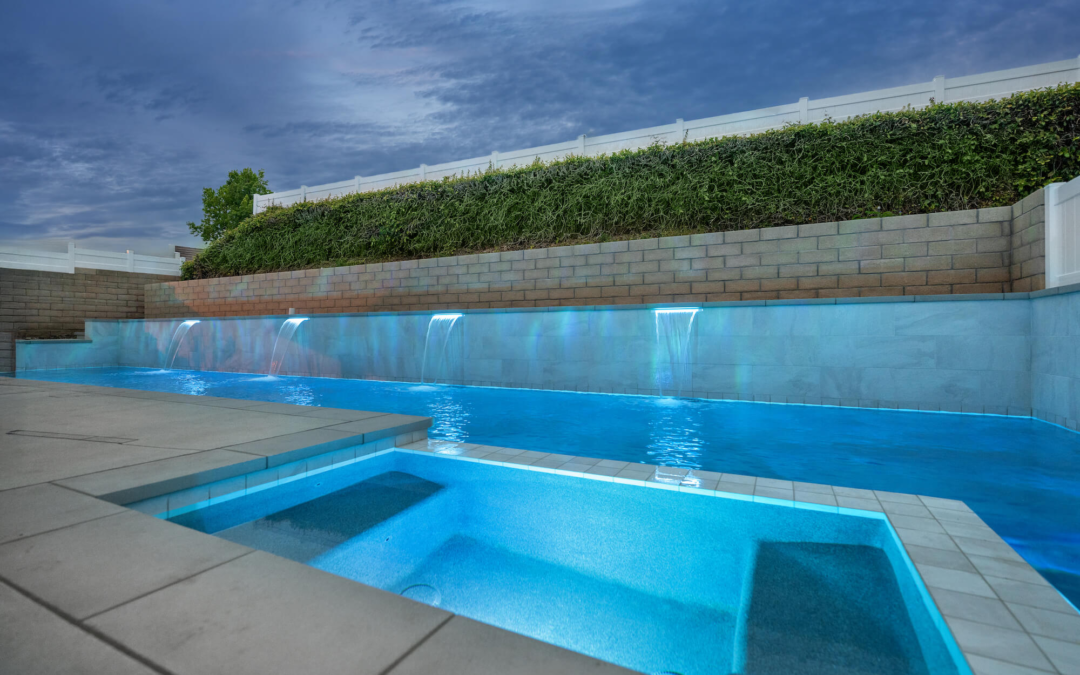
Choosing the right pool finish is an important part of creating a pool that feels intentional from every angle. The finish affects the color and appearance of the water, the texture of the pool interior, and how the pool works with the surrounding architecture and landscape.

With so many materials, colors, and textures available, it helps to look beyond the finish on its own. The best pool finish should complement the home, reflect the overall design direction, and create the atmosphere you want around the water.

A well-designed pool brings together many individual details, and the interior finish is one of the elements that can have a lasting visual impact. Here are seven considerations to help you choose a pool finish that feels right for your space.


1. Consider the Color You Want for the Water


The color of your pool finish plays a major role in how the water looks. Lighter finishes can create a bright, clear appearance, while deeper tones can give the water a richer blue, green, or lagoon-like quality.

When selecting a pool finish, think about the feeling you want the pool to create. A light finish can feel fresh and minimal, while a darker finish may feel more dramatic and natural. The right choice depends on the architecture, landscape, and atmosphere you want to create.

It is also important to remember that the finished water color will be influenced by sunlight, depth, surrounding landscaping, and the color of nearby materials. The same pool finish can look noticeably different depending on the setting.


2. Understand the Different Types of Pool Finishes


Pool finishes come in a range of materials and compositions, each with its own visual character. Common options include traditional plaster, aggregate finishes, and tile. Within those categories, there are also many choices in color, texture, and degree of variation.

Plaster can create a clean and consistent appearance, while aggregate finishes can introduce more texture and natural variation. Tile offers another opportunity to add color, pattern, or a highly refined detail to the pool interior.

The right pool finish depends on more than personal preference. Consider the architectural style of the home, the surrounding materials, and the overall design direction of the pool before narrowing down your options.


3. Look at the Finish in Its Natural Setting


A sample can look very different in a showroom than it does outdoors. Natural light changes throughout the day, and the surrounding landscape can affect how the finish is perceived once it is installed.

Before choosing a pool finish, consider how the material will look alongside the home, surrounding stone, landscaping, tile, and other outdoor finishes. Looking at larger samples in natural light can give you a better sense of the final result.

It can also help to view potential finishes at different times of day. Morning light, bright afternoon sun, and evening shade can all change the appearance of the material and the water.

For a luxury pool, these surrounding details are especially important. The finish should feel connected to the entire outdoor environment rather than selected as an isolated material.


4. Think About Texture and Visual Depth


Pool finishes are available in a range of textures, from smooth surfaces to finishes with more visible aggregate and variation. Texture can influence both the visual character and overall feel of the pool.

A subtle finish can support a clean, contemporary design, while a more textured or natural-looking pool finish can work beautifully with organic landscapes and natural stone.

The amount of variation within the material also matters. Some finishes have a more uniform appearance, while others create depth through a blend of tones and textures. Think about whether you want the pool interior to blend quietly into the design or become a more noticeable feature.

Texture can also influence how light interacts with the pool. Variation within the finish may create subtle changes across the surface as sunlight moves through the space.


5. Coordinate the Pool Finish With the Architecture


Your pool should feel like an extension of the home. When choosing a pool finish, look at the architectural style, exterior materials, and overall design language of the property.

For a contemporary home, a refined pool finish with clean lines and subtle variation may complement the architecture. For a Mediterranean, Spanish, or more traditional property, natural tones and handcrafted details may create a stronger connection.

The goal is not necessarily to match every material. Instead, choose a pool finish that complements the home’s architecture and contributes to a cohesive outdoor design.

Pay attention to the materials that are already present on the property. Stone, wood, concrete, metal, tile, and exterior paint colors can all help guide the direction of the pool finish.


6. Consider the Surrounding Landscape


Landscaping can have a significant effect on how your pool looks. Trees, grasses, stone, planting beds, and surrounding views all become part of the visual composition.

A pool finish with natural variation can blend beautifully into a landscape with mature planting and organic materials. A cleaner, more uniform finish may work better when the surrounding landscape has a more structured or minimalist aesthetic.

Think about the pool and landscape together rather than making the finish decision separately. The right combination can make the pool feel like it belongs naturally within the property.

This is particularly important when the pool is positioned near natural stone, mature trees, or a prominent landscape view. Rather than competing with those elements, the finish can help reinforce the relationship between the pool and its surroundings.


7. Consider How the Pool Will Look Throughout the Day


Sunlight, shade, and the time of day can all change the appearance of a pool finish. A finish that looks one way in bright midday sunlight may appear completely different in the early morning or evening.

This is especially important when a pool is surrounded by trees, structures, or other elements that create changing patterns of light and shadow.

If evening entertaining is an important part of how you use your backyard, consider how the pool finish will interact with your lighting design as well. Underwater lighting can emphasize the color and depth of the finish after sunset.

Thinking about both daytime and nighttime conditions can help you choose a pool finish that continues to feel beautiful beyond the brightest part of the day.


8. Coordinate the Finish With Tile and Coping


The pool interior does not exist on its own. Tile and coping create the visual transition between the water, pool structure, and surrounding deck, making them important considerations when selecting a pool finish.

A simple pool finish can be elevated with carefully selected tile, while a more expressive finish may benefit from quieter surrounding materials. The goal is to create contrast where it adds interest without allowing individual materials to compete.

Consider color, texture, scale, and pattern across all of these surfaces. When the materials are selected together, the finished pool can feel much more cohesive.


9. Look at the Pool as Part of the Complete Design


The pool finish is only one part of the overall pool design. Tile, coping, decking, landscaping, water features, lighting, and outdoor living spaces all contribute to the finished look.

Rather than choosing a pool finish first and coordinating everything around it later, consider how the materials will work together from the beginning. A thoughtfully selected combination can create a more cohesive and elevated result.

This approach is particularly valuable for custom pools, where every detail can be designed around the architecture and character of the property.

A well-considered pool finish should support the larger design rather than compete with it. When the finish, surrounding materials, landscape, and architecture work together, the pool becomes a natural part of the property.


Choose a Pool Finish That Complements Your Home


The right pool finish should do more than determine the color of the water. It should help connect the pool to the architecture, landscape, and overall experience of the backyard.

When you consider color, texture, natural light, architecture, landscaping, and the surrounding materials together, it becomes easier to choose a finish that feels intentional and timeless.

There is no single pool finish that works for every home. The most successful choice is one that responds to the character of the property and supports the way you want the outdoor space to feel.


Create a Pool Designed Around Your Home


At Fluidity Pool Designs, every detail of a custom pool is considered as part of the larger landscape and architectural setting. From the pool finish to the surrounding materials and outdoor living spaces, our goal is to create a design that feels naturally connected to your home.

Ready to start planning your pool? Contact Fluidity Pool Designs to discuss your project.


Ryan Clow, Owner
Fluidity Pool Designs
805-669-1200
[email protected]

Dive Into More Design Ideas

How Long Does It Take to Build a Pool? A Complete Timeline

How Long Does It Take to Build a Pool? A Complete Timeline

How long does it take to build a pool? It is one of the first questions homeowners ask when they begin planning a new pool. Understanding the pool construction timeline can help you know what to expect from the initial consultation through the final walkthrough. A...

How to Choose the Right Pool Lighting for Your Backyard

How to Choose the Right Pool Lighting for Your Backyard

Your pool doesn’t disappear when the sun goes down. In fact, the right pool lighting can completely transform how your backyard looks and feels at night. Thoughtfully placed lights can highlight architectural details, improve safety, create a relaxing atmosphere, and...

9 Pool Features That Can Transform Your Backyard

9 Pool Features That Can Transform Your Backyard

The right pool features can transform a backyard from a place to swim into a complete outdoor environment. The best features are not simply added for appearance. They can improve how you use the pool, create a stronger connection between the pool and surrounding...
What Sets a Custom Pool Builder Apart From Standard Pool Companies

What Sets a Custom Pool Builder Apart From Standard Pool Companies

What Sets a Custom Pool Builder Apart From Standard Pool Companies

Not every pool builder is created equal, and that’s not a knock on anyone. It’s just the reality of an industry where the range between “good enough” and “absolutely extraordinary” is wider than you might think. So if you’re planning a backyard project that goes beyond the basics, it’s worth understanding what actually separates a custom builder from a standard pool company.

It Starts With How They Listen

A standard pool construction company typically works from a catalog. You choose a shape, pick a size, select a finish, and they install it. It’s efficient, and for some homeowners, it gets the job done.

A custom pool builder takes a completely different approach. Before anything is drawn or quoted, they want to understand how you live. How do you entertain? Do your kids need a shallow play area? Are you dreaming of a spa that blends into the hillside? These conversations shape the entire project, and they’re the reason custom pools feel so personal.

That’s the kind of listening you’ll find with Fluidity’s custom builders in Ventura County, where every project begins with understanding the homeowner first.

Design and Construction Work as One

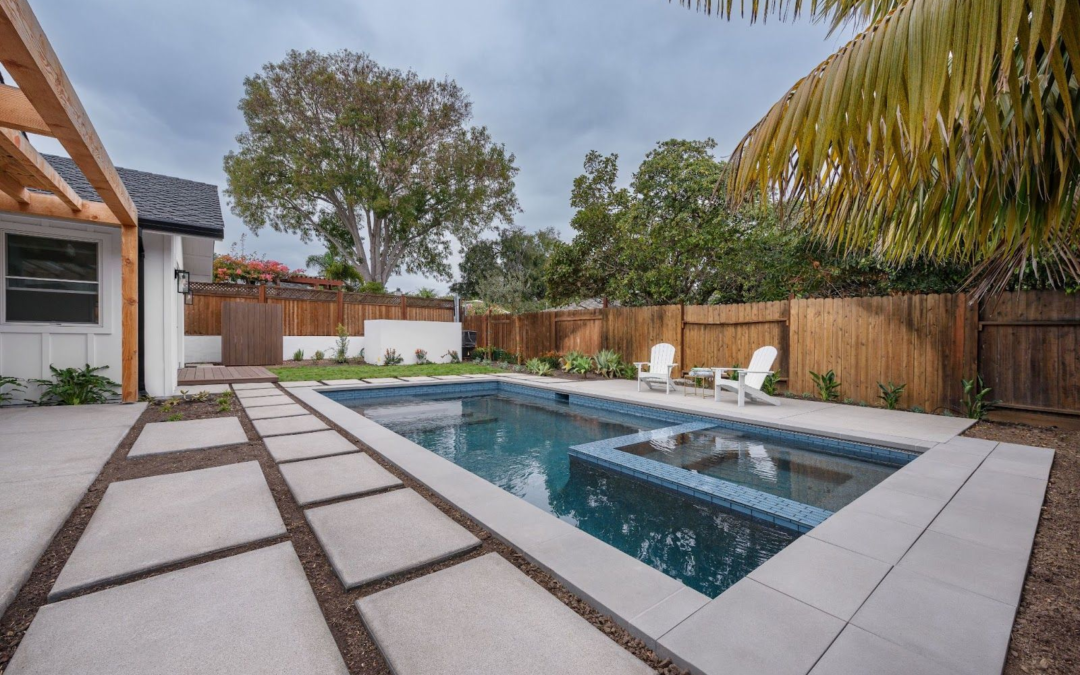
Fluidity pool design with spa and modern backyard setting

With many standard companies, design is an afterthought. Someone sketches a basic layout, hands it to the crew, and construction begins. The problem? Disconnects between design intent and what actually gets built.

A true pool design-and-build firm treats those two phases as inseparable. The people designing your pool are working hand in hand with the people building it. That means structural considerations, material selections, and engineering details are all baked into the plan from day one, not figured out on the fly.

This integrated approach is especially valuable when working with unique properties. Sloped lots, tight setbacks, coastal conditions: these all require the kind of coordinated thinking that a luxury pool builder brings to the table.

Craftsmanship You Can Actually See

Fluidity pool design with spa and modern backyard patio

Here’s where things get tangible. A bespoke pool builder invests in the details that most people don’t notice until they’re missing. Hand-selected tile work. Precisely graded decking. Equipment systems that run quietly and efficiently behind the scenes.

A swimming pool builder focused on volume tends to standardize wherever possible. That’s not inherently bad, but it does mean less flexibility and less attention to the small things that elevate a pool from functional to unforgettable.

If you’re curious about what that level of craftsmanship looks like in practice, Fluidity’s work with homeowners in Buellton is a great example of quality meeting creativity.

They Guide You Through the Entire Process

Fluidity pool design with spa and tropical backyard patio

Building a pool involves permits, engineering, inspections, timelines, and about a hundred decisions you didn’t know you’d need to make. A residential pool builder who specializes in custom work doesn’t just manage the construction. They walk you through every step, clearly explain your options, and help you make confident choices without feeling overwhelmed.

That guidance matters more than most people realize, especially for first-time pool owners. Knowing what to look for when selecting a builder in your area can make all the difference between a stressful experience and an enjoyable one.

Find a Builder Who Gets It

At the end of the day, choosing a pool builder is really about finding someone who shares your vision and has the skill to bring it to life. Standard companies can deliver a pool. Custom builders deliver your pool.

If you’re ready to work with a team that puts design, craftsmanship, and your lifestyle at the center of every project, start a conversation with Fluidity Design Consultants and see what’s possible for your backyard.