805-669-1200 [email protected]
Custom Hardscape Pool Design That Lasts

Custom Hardscape Pool Design That Lasts

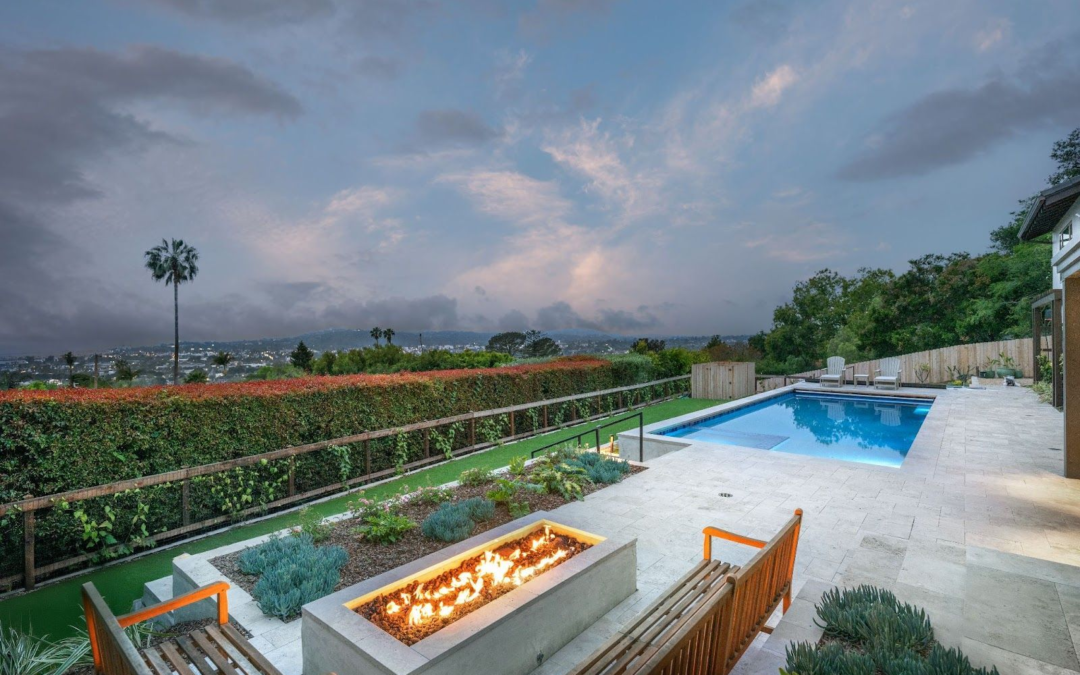
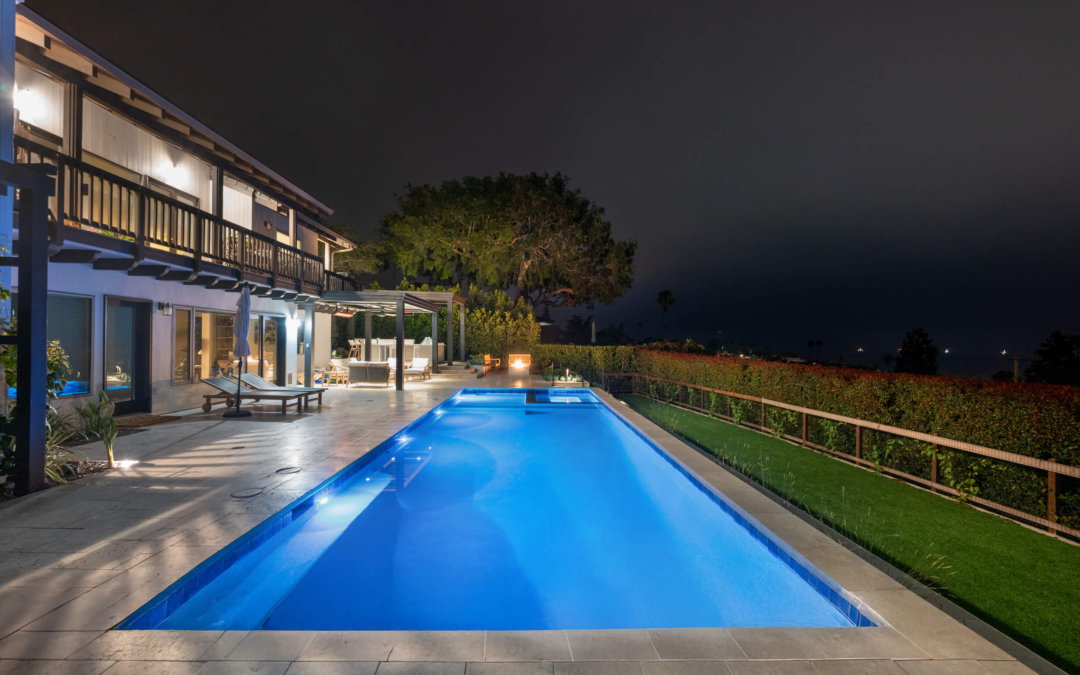
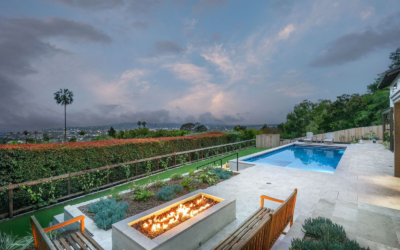
A luxury pool can be visually striking on its own, but it is the surrounding environment that determines how the space actually lives. Custom hardscape pool design is what gives a backyard its structure, flow, and architectural presence. It shapes where you lounge, how you entertain, how water meets stone, and whether the entire setting feels thoughtfully composed or simply assembled.

For discerning Southern California homeowners, that distinction matters. A pool is rarely just a place to swim. It is part of a larger outdoor experience – one that may include a spa, fire features, dining areas, an outdoor kitchen, shaded retreats, and carefully framed views. When hardscape is treated as an afterthought, even an expensive pool can feel disconnected. When it is designed as an integrated composition, the result feels effortless, polished, and enduring.


What custom hardscape pool design really includes


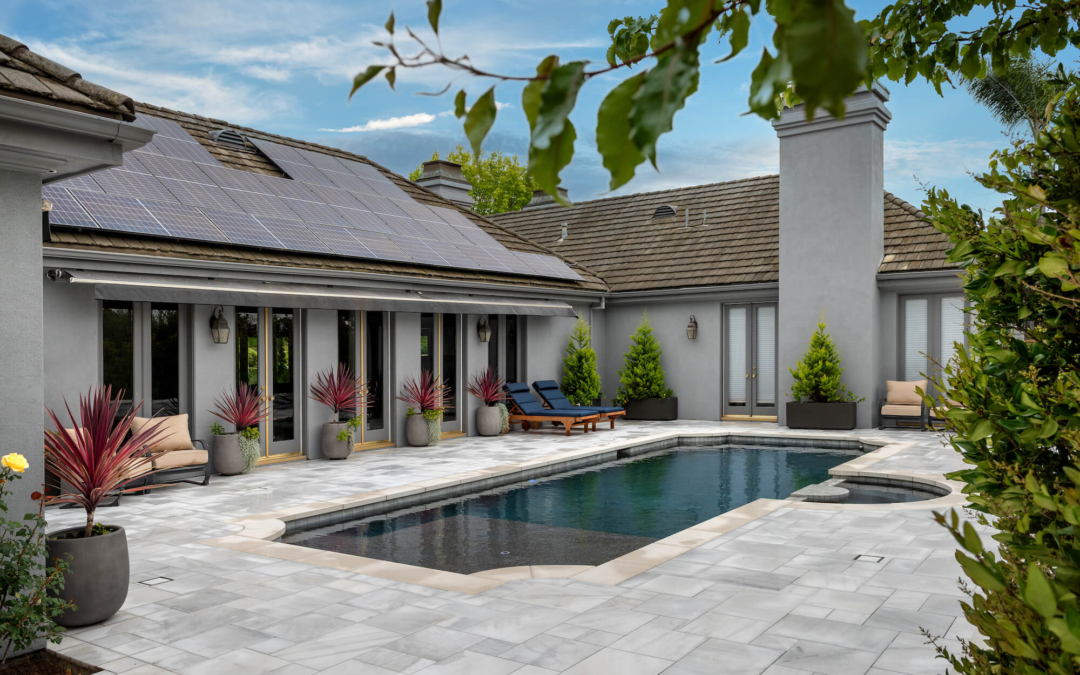
Hardscape refers to the permanent architectural elements that surround and support the pool environment. That includes decking, coping, retaining walls, steps, terraces, pathways, seat walls, outdoor kitchens, fire features, water feature structures, and transitions between the pool and the rest of the property. In a high-end project, these elements are not separate add-ons. They are part of the design language from the very beginning.

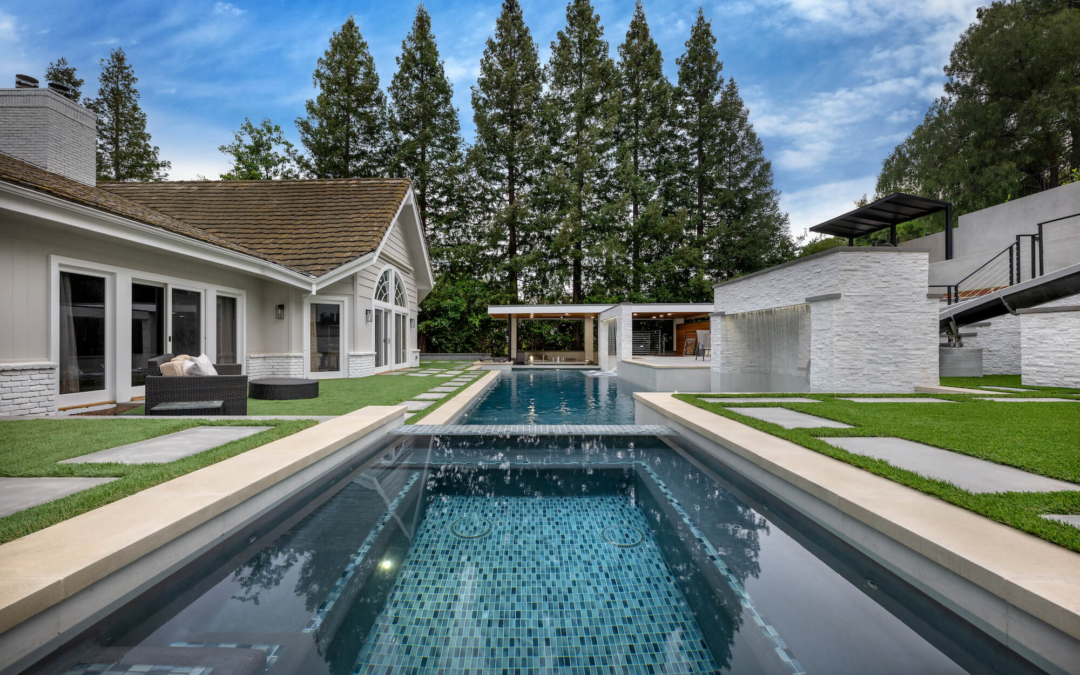
A well-considered custom hardscape pool design does more than provide a finished surface around the water. It establishes circulation, defines gathering spaces, manages elevation changes, creates visual rhythm, and connects the pool to the architecture of the home. It also has to perform under real conditions – heat, water exposure, shifting light, drainage demands, and the wear that comes with frequent entertaining.

That balance between beauty and technical precision is where premium design begins to separate itself. The most successful projects are not simply selecting attractive materials. They are resolving proportion, grade, texture, durability, and use in a way that feels cohesive from every angle.


Why hardscape should lead the outdoor plan


Many homeowners begin by thinking about the pool vessel first – shape, finish, spa placement, and waterline tile. Those decisions matter, but the surrounding hardscape often has a greater impact on daily enjoyment. The deck determines how comfortably people move through the space. The terrace defines whether a seating area feels intimate or exposed. The way steps and walls are detailed influences whether the yard feels elegant and intuitive or visually busy.

This is especially true on Southern California properties where topography, view corridors, and indoor-outdoor living all play a major role. A sloped lot in Malibu requires a different hardscape strategy than a broad estate in Hidden Hills. A contemporary home in Pacific Palisades may call for long linear forms and large-format stone, while a more organic setting in Montecito may benefit from softer edges and a warmer material palette.

The point is not to apply one style. It is to create a hardscape framework that belongs to the property. That is what gives a custom environment its sense of permanence.


The design decisions that shape the experience


Material selection is about more than appearance

Natural stone, porcelain pavers, architectural concrete, and specialty masonry each create a different mood, but they also behave differently. Some materials stay cooler underfoot. Some offer more slip resistance. Some develop a graceful patina over time, while others maintain a more controlled, uniform look.

There are trade-offs. Natural stone can deliver unmatched depth and authenticity, but it may require a higher level of care depending on the variety selected. Porcelain can be highly durable and clean-lined, yet it may not offer the same organic character some homeowners want. Concrete can be shaped and finished with great flexibility, though the detailing must be exceptional for it to feel truly elevated.

In custom hardscape pool design, the right material is the one that fits both the architecture and the way the space will be used. A family with frequent pool traffic, weekend entertaining, and strong sun exposure may prioritize durability and heat performance differently than a client designing a quieter resort-style retreat.


Layout defines how the yard functions

A beautiful pool setting still fails if circulation is awkward. Guests should not have to cut through a dining area to reach the spa. Lounge zones should feel close enough to the water to stay engaged, but not so compressed that the deck feels crowded. Outdoor kitchens need practical adjacency to seating and service areas without overwhelming the visual calm of the pool.

This is where custom planning becomes invaluable. Design is not just where to place things. It is how those elements relate in scale and sequence. A raised lounge terrace can create better views across the water. A low seat wall can subtly define a social area without making it feel enclosed. Wide steps can become both circulation and architecture when proportioned correctly.


Elevation changes can become an asset

On premium properties, grade changes are common. They can complicate construction, but they also create opportunity. Retaining walls, vanishing edges, stepped terraces, and split-level entertaining zones can turn a difficult lot into a dramatic outdoor composition.

The key is to make these moves feel intentional. If walls are merely functional, the yard can start to look engineered rather than designed. If those same elements are integrated with material continuity, lighting, planting, and clean geometry, they become part of the visual identity of the space.


Custom hardscape pool design and the luxury lifestyle


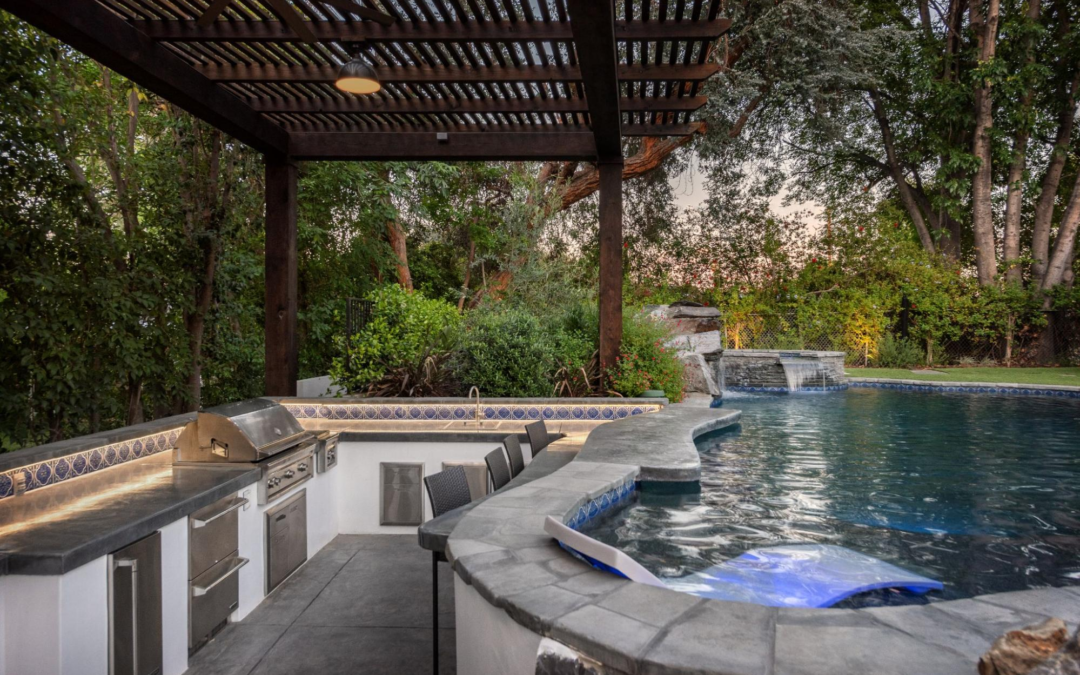
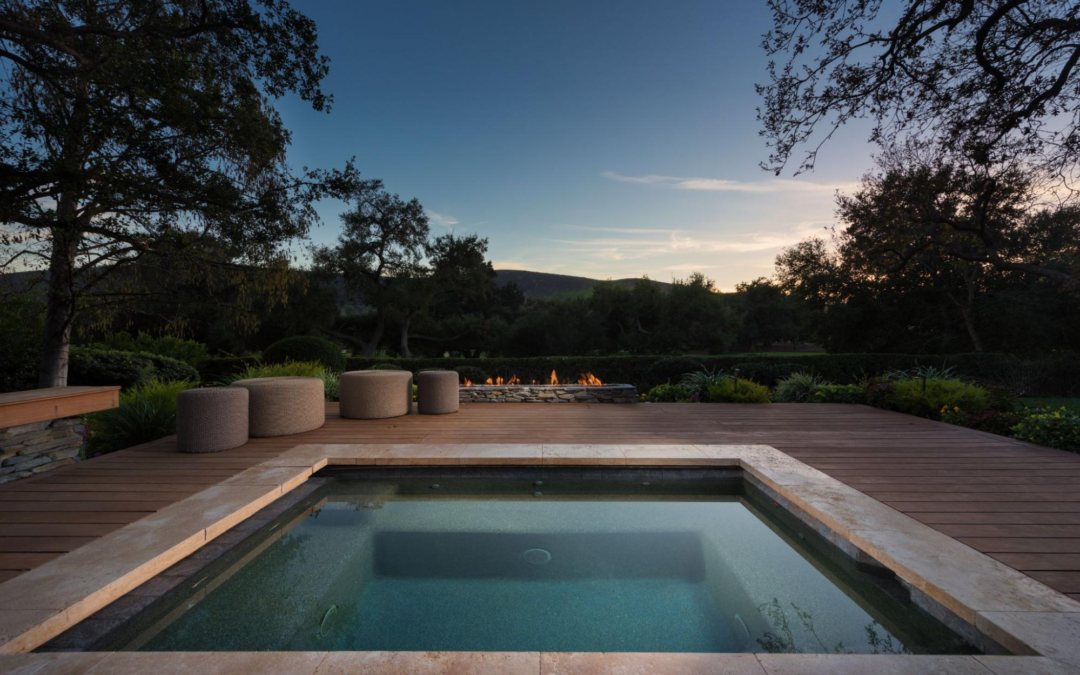
The most compelling outdoor environments are designed around how clients want to live. That may mean a sun shelf positioned for young children and relaxed supervision. It may mean a sculptural spa that reads as part of the architecture rather than an attachment. It may mean an outdoor kitchen and fire lounge set on a secondary terrace so the pool deck remains serene and uncluttered.

For many homeowners, the goal is not excess. It is refinement. A backyard should feel edited, not crowded with features competing for attention. Thoughtful hardscape helps achieve that restraint. It provides order. It creates visual calm. It allows premium amenities to feel curated rather than piled in.

This is also where 3D visualization becomes especially valuable. When clients can see how paving patterns align with the home, how wall heights affect openness, or how a fire feature anchors an evening lounge, better decisions happen earlier. It reduces uncertainty and leads to a more tailored result.


Why construction quality matters as much as design


Luxury hardscape is unforgiving of shortcuts. Poor drainage can stain surfaces and damage foundations. Inconsistent elevations can disrupt sightlines and create water runoff issues. Weak substrate preparation can lead to movement, cracking, or settling over time. Beautiful materials cannot compensate for flawed execution.

That is why a design-forward project also needs disciplined construction oversight. Engineering, permitting, grading, waterproofing, and finish installation all affect the final result. The craftsmanship behind joints, edges, transitions, and alignments is what allows a hardscape to feel crisp and intentional years after completion.

For clients investing in a full outdoor transformation, this is not a minor detail. It protects both daily enjoyment and long-term property value. A well-built environment ages with dignity. A poorly executed one starts asking for repairs much too soon.


A truly integrated outdoor environment


The strongest projects treat pool, hardscape, and amenities as one composition. The coping should not feel unrelated to the patio. The spa should not interrupt circulation. The outdoor kitchen should feel architecturally connected, not dropped into open space. Lighting, fire, water, and planting should support the same design vision.

That level of integration requires a collaborative process. It calls for clear design intent, technical fluency, and close attention from concept through construction. At Fluidity, that is where the work becomes most meaningful – not simply building features, but shaping outdoor living with purpose, precision, and a refined eye for how every surface and spatial decision contributes to the whole.

For homeowners considering a major backyard investment, the right question is not just what pool to build. It is what kind of environment you want to step into at the end of the day. When the hardscape is custom designed with that experience in mind, the space feels less like an upgrade and more like it always belonged there.


Ready to Design a More Complete Outdoor Environment?


Whether you’re planning a new pool, reimagining your hardscape, or creating a fully integrated outdoor living space, Fluidity approaches every project with a design-first mindset. Explore our custom design process or contact us to start the conversation.

Ryan Clow, Owner
Fluidity Pool Designs
805-669-1200
[email protected]

Dive Into More Design Ideas
Custom Hardscape Pool Design That Lasts

Custom Hardscape Pool Design That Lasts

A luxury pool can be visually striking on its own, but it is the surrounding environment that determines how the space actually lives. Custom hardscape pool design is what gives a backyard its structure, flow, and architectural presence. It shapes where you lounge,...

Outdoor Kitchen Backyard Design Ideas

Outdoor Kitchen Backyard Design Ideas

A beautiful pool can anchor a property, but it rarely creates a complete outdoor lifestyle on its own. The most compelling outdoor kitchen pool backyard designs work because every element is planned as part of one experience - how you cook, gather, swim, lounge, and...

Pool Automation Systems for Luxury Pools

Pool Automation Systems for Luxury Pools

A luxury pool should not require daily tinkering to feel exceptional. The best pool automation systems turn a complex outdoor environment into one intuitive experience, where water temperature, lighting, spa settings, fire accents, and circulation respond with...

Outdoor Kitchen Backyard Design Ideas

Outdoor Kitchen Backyard Design Ideas

A beautiful pool can anchor a property, but it rarely creates a complete outdoor lifestyle on its own. The most compelling outdoor kitchen pool backyard designs work because every element is planned as part of one experience – how you cook, gather, swim, lounge, and move through the space from day to night. That distinction matters, especially in Southern California, where outdoor living is not seasonal theater. It is part of daily life.

For homeowners investing at a high level, the question is not whether to add a pool or an outdoor kitchen. It is how to shape both into a backyard that feels curated rather than crowded. The difference comes down to composition, proportion, and a disciplined design process that treats the yard as a whole environment.


What Makes an Outdoor Kitchen Pool Backyard Feel Cohesive


The most successful spaces do not read like a checklist of luxury features. They feel intuitive. The pool sits where it belongs in relation to sun, views, and architecture. The kitchen supports entertaining without turning the yard into a commercial patio. Lounge areas, fire features, shade structures, and hardscape transitions all reinforce a single design language.

That sense of cohesion starts with zoning. In a well-composed backyard, active spaces and restorative spaces are distinct but connected. The pool may be the visual centerpiece, while the kitchen becomes the social engine. Dining often lives between them, creating a natural bridge from cooking to conversation to swimming. If every major feature competes for attention, even expensive materials can feel disjointed.

Scale also matters more than many homeowners expect. A large kitchen beside a modest pool can overpower the yard. A dramatic vanishing-edge pool with a tiny grill island can feel unfinished. Proportion is what gives luxury projects their calm confidence.


Planning the Layout Around How You Actually Live


A thoughtful outdoor kitchen pool backyard begins with behavior, not just aesthetics. Some families host frequent dinners and need a serious cooking station with refrigeration, storage, and bar seating. Others want the kitchen to support relaxed weekends by the water, with a pizza oven, beverage center, and easy access to shaded lounging.

This is where many projects go off course. Homeowners understandably fall in love with individual features, but the real value is in how those features relate to one another. If the grill is too close to the pool, smoke and heat become a nuisance. If the kitchen is too far from the house, routine use declines. If dining is placed in full afternoon sun without protection, it looks impressive and sits empty.

The best layouts answer practical questions early:

  • Where will guests enter the yard?
  • What sightline do you want from inside the home?
  • How much separation should exist between children playing in the pool and adults dining nearby?
  • Where does the sun hit at 2 p.m. in August?

Luxury is not excess. Luxury is a space that performs beautifully because it was designed with precision.


The Right Distance Between Pool and Kitchen


There is no universal measurement that works for every property, but there is a clear principle. The pool and kitchen should feel connected without interfering with each other. Close enough for effortless entertaining, far enough to preserve comfort and safety.

In many high-end backyards, a dining terrace or lounge zone creates that buffer. This middle layer softens the transition and makes the yard feel more architectural. It also gives each element room to breathe.


Why Circulation Matters More Than Square Footage


Large properties offer more freedom, but they can still feel awkward if movement has not been considered. Circulation is the invisible structure of the yard. Guests should be able to move from the home to the kitchen, from the kitchen to the pool, and from the pool to seating or a restroom route without crossing congested paths.

When circulation is handled well, the backyard feels effortless. When it is not, even a stunning build can feel inconvenient.


Materials That Elevate the Entire Backyard


In an outdoor kitchen pool backyard, materials do far more than set a style. They determine durability, maintenance, comfort underfoot, and how convincingly the space ties back to the home. Premium projects typically succeed because the finishes are edited, not overmixed.

Natural stone, architectural concrete, porcelain pavers, richly toned wood accents, and refined plaster or tile finishes can work beautifully together when the palette is restrained. In coastal and canyon environments across Southern California, the best selections also account for heat, salt air, UV exposure, and water chemistry.

This is one of those areas where trade-offs matter. Honed stone can be elegant and cool underfoot, but some varieties require more maintenance. Porcelain can offer consistency and resilience, but it may not deliver the same organic depth as natural material. Stainless steel appliances are a staple in outdoor kitchens, yet marine-grade finishes may be worth the upgrade in certain locations.


Outdoor Kitchen Pool Backyard Features Worth Considering


Not every project needs every luxury amenity. The strongest designs are selective. They include features that genuinely support the way the property will be used.

A serious outdoor kitchen often goes beyond a built-in grill and may include:

  • Refrigeration
  • Ice storage
  • Sink access
  • Concealed trash storage
  • Warming drawers
  • Ample prep surfaces
  • Bar seating

Around the pool, homeowners may consider:

  • Baja shelves
  • Integrated spas
  • Submerged bar stools
  • Fire bowls
  • Water features
  • Perimeter overflow details

Each element should support the broader composition. A feature is only luxurious if it belongs.


Shade, Lighting, and Comfort Layers


Some of the most important decisions are not the flashy ones. Shade structures, landscape lighting, wind screening, and audio integration shape whether a backyard feels livable from noon to late evening.

A covered kitchen can dramatically improve comfort and appliance longevity. Pergolas, cantilever umbrellas, and architectural overhangs help define use zones without making the yard feel enclosed.

Lighting deserves equal attention. Pool illumination, step lights, tree uplighting, and subtle task lighting at the kitchen all contribute to atmosphere and safety. The goal is not brightness. It is depth and mood.


Why 3D Design Is Invaluable for Luxury Outdoor Spaces


An outdoor kitchen pool backyard is too significant an investment to leave to imagination alone. Detailed 3D planning allows homeowners to see how water, hardscape, structures, appliances, and sightlines will work together before construction begins.

Visualization helps answer questions that flat drawings often cannot:

  • Will the kitchen block a view from the great room?
  • Does the fire feature feel appropriately scaled?
  • Is the dining terrace large enough once chairs are pulled back?
  • How do the different outdoor zones connect?

For design-forward projects, this stage is not a luxury add-on. It is part of protecting the outcome.


Common Mistakes in High-End Backyard Design


One of the most frequent mistakes is treating the pool and kitchen as separate projects with separate priorities. That approach usually produces a backyard with too many focal points and not enough harmony.

Another issue is underestimating infrastructure. Outdoor kitchens require thoughtful utility planning, including gas, electrical, drainage, ventilation, and sometimes water lines that must coexist with pool systems, lighting, and automation.

There is also the temptation to overbuild. More square footage, more appliances, and more features do not automatically create a better experience. In many cases, restraint is what makes a space feel bespoke.


Final Thoughts


A well-executed outdoor kitchen pool backyard can absolutely enhance property value, but for discerning homeowners, the deeper return is lifestyle. It changes how the home is used. It creates a setting for family dinners, milestone celebrations, quiet mornings, and weekends that feel like an escape without leaving home.

That is why design, engineering, craftsmanship, and project supervision must work together from the start. In premium outdoor environments, details are not cosmetic. They are structural to the experience.

At Fluidity Pool Designs, we believe the goal is not simply to install components. It is to shape an outdoor setting with permanence, elegance, and purpose. If you’re ready to create a backyard that feels thoughtfully composed from every angle, visit our contact page to start the conversation.

The best backyard is not the one with the most features. It is the one that feels so natural to your home and your life that you cannot imagine the property any other way.

Ryan Clow, Owner
Fluidity Pool Designs
805-669-1200
[email protected]

Dive Into More Design Ideas

Custom Hardscape Pool Design That Lasts

Custom Hardscape Pool Design That Lasts

A luxury pool can be visually striking on its own, but it is the surrounding environment that determines how the space actually lives. Custom hardscape pool design is what gives a backyard its structure, flow, and architectural presence. It shapes where you lounge,...

Outdoor Kitchen Backyard Design Ideas

Outdoor Kitchen Backyard Design Ideas

A beautiful pool can anchor a property, but it rarely creates a complete outdoor lifestyle on its own. The most compelling outdoor kitchen pool backyard designs work because every element is planned as part of one experience - how you cook, gather, swim, lounge, and...

Pool Automation Systems for Luxury Pools

Pool Automation Systems for Luxury Pools

A luxury pool should not require daily tinkering to feel exceptional. The best pool automation systems turn a complex outdoor environment into one intuitive experience, where water temperature, lighting, spa settings, fire accents, and circulation respond with...

Pool Automation Systems for Luxury Pools

Pool Automation Systems for Luxury Pools

A luxury pool should not require daily tinkering to feel exceptional. The best pool automation systems turn a complex outdoor environment into one intuitive experience, where water temperature, lighting, spa settings, fire accents, and circulation respond with precision the moment you want to entertain, unwind, or simply step outside.

For Southern California homeowners investing in a custom poolscape, automation is no longer a novelty feature. It is part of the architecture of comfort. When designed well, it supports the visual rhythm of the space, protects equipment performance, and removes the small frictions that can make even a beautiful backyard feel high-maintenance.


What pool automation systems actually control


Most people first think of app-based control, and that is certainly part of the appeal. But the real value of pool automation systems is coordination. Instead of managing separate heaters, pumps, lights, valves, sanitizers, and spa functions one by one, the system ties them together into a single operating logic.

That can include pump speed scheduling, water temperature management, spa activation, pool and landscape lighting, waterfalls, deck jets, bubblers, salt chlorination, cleaning cycles, and in some cases fire features or outdoor audio. A well-integrated system does more than turn equipment on and off. It creates scenes and routines that match how the property is actually used.

For example, an evening entertaining setting might warm the spa, illuminate the pool in a softer color palette, activate select water features, and adjust filtration timing in the background. A morning setting may prioritize circulation and cleaning while the yard is quiet. The difference is subtle but meaningful. The outdoor environment begins to feel curated rather than managed.


Why automation matters more in high-end pool design


In a standard backyard, automation can be convenient. In a bespoke outdoor living environment, it becomes foundational. Luxury pools often include multiple bodies of water, elevated spas, vanishing edges, perimeter-overflow details, feature lighting, advanced sanitization, and integrated hardscape elements. The more sophisticated the design, the more important it is that the systems behind it operate in harmony.

Without automation, complexity tends to show itself at the worst moments. A spa takes too long to heat before guests arrive. A water feature runs longer than necessary. Lighting scenes feel disconnected from the architecture. Equipment works harder than it should because schedules are not optimized.

With thoughtful automation, the technology fades into the background. That matters in a design-led project where the goal is not simply efficiency, but a composed outdoor experience. The homeowner should feel the benefit without having to think about the mechanism.


The lifestyle advantage of pool automation systems


Convenience is the most obvious benefit, but it is not the only one. For many homeowners, the deeper value is consistency. Your pool, spa, and surrounding features perform the way they should, whether you are home on a Wednesday evening or hosting a full weekend gathering.

That consistency changes how often the space gets used. A spa becomes more inviting when it can be heated before you walk outside. Pool lighting becomes part of the home’s evening ambiance when it is programmed around your routine. Water quality tends to remain steadier when pumps, sanitizers, and heaters are coordinated instead of adjusted reactively.

There is also a practical side that affluent homeowners tend to appreciate. High-end outdoor environments should feel polished, not labor-intensive. Automation reduces the need for manual intervention and can help identify performance issues earlier, especially when paired with professional monitoring and service. It does not eliminate maintenance, but it can make maintenance more intelligent.


Not all automation platforms are equal


This is where nuance matters. Many automation systems promise easy control, but the homeowner experience depends on three things: the quality of the platform, the logic of the programming, and the skill of the installation.

A strong platform should offer reliable mobile control, straightforward scheduling, expandable feature support, and compatibility with premium equipment. But hardware alone does not guarantee a refined result. If the system is poorly configured, even the best components can feel frustrating.

The right setup depends on the project. A compact plunge pool with a spa may need elegant simplicity. A larger estate property with an infinity edge, multiple pumps, dramatic lighting, and fire-water features requires a far more deliberate control strategy. There is no universal best answer. There is only the right answer for the pool, the property, and the client’s expectations.

This is one reason automation should be addressed during the design phase, not added as an afterthought. When the control system is considered early, equipment placement, conduit planning, feature integration, and user experience can be developed as one cohesive plan.


Design integration matters as much as technical integration


In luxury construction, technology should support the design language of the property. That means pool automation systems need to be considered beyond the equipment pad. The client interface matters. The responsiveness matters. Even the way scenes are named and organized matters.

A homeowner should not have to remember a maze of unlabeled functions to enjoy their backyard. Controls should feel intuitive and tailored to the home. If a poolscape includes a Baja shelf, raised spa, laminar jets, perimeter lighting, and a dining terrace with fire elements , the experience should still feel composed from a single touchpoint.

The same principle applies to visual restraint. Well-executed automation helps preserve clean lines and uncluttered outdoor spaces because fewer wall panels, remotes, and workaround controls are needed. In a property where architecture and landscape design are carefully curated, that restraint is part of the luxury.


Common decisions homeowners should make early


The first is whether you want simple remote control or fully programmed environment control. Some clients only want to adjust heat, lights, and spa settings from their phone. Others want complete scenario-based programming for entertaining, wellness routines, and energy management.

The second is how many features need to be integrated now versus prepared for later. It can be wise to build with future additions in mind, especially if there is a planned outdoor kitchen, expanded landscape lighting, or added fire elements in a later phase.

The third is who will manage the system after installation. Even the most advanced automation benefits from professional calibration, seasonal adjustments, and service support. For a high-value property, that ongoing relationship often matters just as much as the equipment itself.


Energy performance and equipment longevity


Homeowners often associate automation with luxury, but it also plays a quieter role in protecting the investment. Variable-speed pumps, heater schedules, circulation timing, and sanitization cycles can all be coordinated more efficiently through automation than by manual operation alone.

That does not mean every automated pool is automatically lower cost to operate. A larger, feature-rich pool with extensive lighting and heated water elements will still reflect its scale. But automation can help ensure the system runs with intention rather than waste. That distinction becomes significant over time.

Equipment longevity can also benefit when systems are balanced correctly. Pumps are not overworked unnecessarily. Heaters are triggered with greater precision. Water chemistry support systems can operate in more stable patterns. The outcome is not just convenience, but better stewardship of a substantial outdoor asset.


Renovations are often the right moment to upgrade


For older pools, automation can be one of the most transformative improvements available. Many legacy systems rely on outdated timers, manual valves, inconsistent lighting controls, and inefficient pump setups. The pool may still be structurally sound, yet the ownership experience feels dated.

A renovation is often the ideal time to modernize controls while also updating finishes, hydraulics, lighting, and equipment. In many cases, homeowners are surprised by how dramatically automation changes their day-to-day relationship with the space. The pool starts to feel current again, not just cosmetically refreshed.

For custom design-build firms such as Fluidity, this is where technical planning and elevated design should meet. Automation is not a side feature. It is part of how a backyard becomes a fully realized outdoor living environment.


What to expect from a well-executed system


The best result is not flashy. It is calm. You open an app or touch a control panel and the environment responds exactly as expected. The spa is ready when you want it. Lighting complements the architecture. Water features enhance the setting without creating operational headaches. Maintenance workflows become more predictable. The space feels easier to own.

That is the real promise of pool automation systems. Not more technology for its own sake, but a more effortless relationship with a space designed for beauty, leisure, and entertaining. When every element works in concert, the backyard stops feeling like a collection of features and starts feeling like a private resort shaped around the way you live.

If you are investing in a pool that is meant to elevate the entire property, automation deserves the same level of design attention as the tile, the waterline, and the view.

To learn more about integrating automation into a custom pool project, contact Fluidity Pool Designs.

Ryan Clow, Owner
Fluidity Pool Designs
(805) 669-1200
[email protected]

Dive Into More Design Ideas

Custom Hardscape Pool Design That Lasts

Custom Hardscape Pool Design That Lasts

A luxury pool can be visually striking on its own, but it is the surrounding environment that determines how the space actually lives. Custom hardscape pool design is what gives a backyard its structure, flow, and architectural presence. It shapes where you lounge,...

Outdoor Kitchen Backyard Design Ideas

Outdoor Kitchen Backyard Design Ideas

A beautiful pool can anchor a property, but it rarely creates a complete outdoor lifestyle on its own. The most compelling outdoor kitchen pool backyard designs work because every element is planned as part of one experience - how you cook, gather, swim, lounge, and...

Pool Automation Systems for Luxury Pools

Pool Automation Systems for Luxury Pools

A luxury pool should not require daily tinkering to feel exceptional. The best pool automation systems turn a complex outdoor environment into one intuitive experience, where water temperature, lighting, spa settings, fire accents, and circulation respond with...

How to Design Seamless Indoor–Outdoor Living Spaces

How to Design Seamless Indoor–Outdoor Living Spaces

Creating a true outdoor living experience isn’t about adding a pool and patio—it’s about designing a space that feels like a natural extension of your home. When done right, there’s no clear line where the indoors end and the outdoors begin. Everything flows.

At Fluidity Pool Designs, this is one of the most important principles we bring into every project. Here’s how to design it the right way.


1. Start With Flow, Not Features


Most people begin with “I want a pool, a fire pit, and a kitchen.” That’s backwards.

Start with:

  • How people will move through the space
  • Where sightlines land from inside the home
  • How each area connects

A well-designed outdoor living space should feel intuitive—like it was always meant to be there.


2. Align Elevations and Transitions


One of the biggest mistakes we see is poor elevation planning.

To create seamless outdoor living:

  • Match interior floor height to exterior decking when possible
  • Use wide, gradual transitions instead of steps
  • Keep thresholds clean and minimal

The goal is to eliminate physical and visual barriers.


3. Carry Materials From Inside to Outside


Consistency in materials is key.

Examples:

  • Extend flooring tones from interior to exterior
  • Use similar stone, tile, or textures
  • Keep color palettes cohesive

This creates a unified look that visually expands your living space.


4. Design Around Views


Your outdoor space should frame what matters most.

From inside your home:

  • What do you see first?
  • Where does your eye land?

A well-placed pool, water feature, or fire element can act as a focal point that pulls the entire space together.


5. Integrate the Pool as Architecture


The pool shouldn’t feel like an add-on.

In high-end outdoor living design:

  • The pool is part of the structure
  • It aligns with the home’s geometry
  • It reinforces the overall layout

This is where most designs fall short—and where proper planning makes all the difference.


6. Think in Zones


Break the space into functional areas:

  • Dining
  • Lounge
  • Water
  • Fire
  • Circulation paths

Each zone should feel connected but distinct. The transitions between them matter just as much as the zones themselves.


7. Plan Lighting Early


Lighting is often an afterthought—but it shouldn’t be.

To elevate outdoor living:

  • Layer ambient, task, and accent lighting
  • Highlight architectural elements
  • Illuminate pathways and transitions

Good lighting extends usability and completely changes how the space feels at night.


8. Don’t Ignore Mechanical Planning


Behind every great outdoor space is a well-designed system.

This includes:

  • Equipment placement (hidden but accessible)
  • Proper drainage
  • Efficient hydraulics
  • Noise control

These details aren’t visible—but they determine how the space performs long term.


Final Thoughts


True outdoor living isn’t about adding more—it’s about designing smarter.

When everything flows—from the interior to the exterior, from one zone to the next—you don’t just get a backyard. You get a complete living environment.

At Fluidity Pool Designs, we focus on creating spaces that feel intentional, functional, and built to last.

Ryan Clow, Owner
Fluidity Pool Designs
(805) 669-1200
[email protected]

Dive Into More Design Ideas

Custom Hardscape Pool Design That Lasts

Custom Hardscape Pool Design That Lasts

A luxury pool can be visually striking on its own, but it is the surrounding environment that determines how the space actually lives. Custom hardscape pool design is what gives a backyard its structure, flow, and architectural presence. It shapes where you lounge,...

Outdoor Kitchen Backyard Design Ideas

Outdoor Kitchen Backyard Design Ideas

A beautiful pool can anchor a property, but it rarely creates a complete outdoor lifestyle on its own. The most compelling outdoor kitchen pool backyard designs work because every element is planned as part of one experience - how you cook, gather, swim, lounge, and...

Pool Automation Systems for Luxury Pools

Pool Automation Systems for Luxury Pools

A luxury pool should not require daily tinkering to feel exceptional. The best pool automation systems turn a complex outdoor environment into one intuitive experience, where water temperature, lighting, spa settings, fire accents, and circulation respond with...

Luxury Pool Design and Construction

Luxury Pool Design and Construction

A luxury pool should never feel like an accessory dropped into a backyard. It should feel inevitable – as if the water, hardscape, lighting, and architecture were always meant to belong together. That is the difference between standard installation and luxury pool design and construction: one adds a feature, the other shapes an entire outdoor experience.

For high-end homes in Southern California, that distinction matters. A pool is often the visual anchor of the property, the setting for family life, entertaining, quiet evenings, and the way the home is perceived as a whole. When the design is thoughtful, the result is more than beautiful. It is personal, highly functional, and enduring.


What luxury pool design and construction really means


At the luxury level, pool building is not about selecting a shape and choosing tile from a short list. It begins with the property itself – the architecture of the residence, the natural grade of the land, sightlines from key interior rooms, sun exposure, privacy, circulation, and how the space is meant to be lived in.

That is why luxury pool design and construction requires both artistic judgment and technical discipline. The design must be emotionally compelling, but it also has to resolve engineering realities, permitting requirements, hydraulic performance, equipment placement, structural integrity, and long-term maintenance. If any one of those elements is treated as secondary, the finished project may look impressive at first and disappoint later.

The strongest projects are composed, not assembled. The pool, spa, lounge areas, fire features, outdoor kitchen, decking, and landscape should read as one environment. Nothing should feel tacked on. Every transition should feel intentional.


Design first, then construction


Many costly mistakes happen when construction starts before the design has been fully developed. In premium residential settings, that approach almost always creates compromise. A vanishing edge may be placed without fully considering where it is best viewed from. A spa may interrupt the most elegant circulation path. Equipment may be functional but poorly concealed. Lighting may be added at the end instead of integrated from the start.

A design-forward process prevents that. Detailed planning allows homeowners to evaluate scale, proportion, materials, and feature placement before construction begins. For discerning clients, 3D visualization is especially valuable because it removes guesswork. Seeing the yard replicated virtually makes it easier to assess whether the pool feels too assertive, too understated, or exactly right for the home.

This is also where collaboration matters. The best outcomes come from a process that listens closely to how a client lives. A family that entertains large groups will have different priorities than a homeowner seeking privacy, wellness, and a resort-like retreat. Both may want luxury, but luxury is not a single aesthetic. It is a custom response.


The features that define a high-end poolscape


A luxury pool is rarely defined by size alone. In fact, oversized pools can sometimes dilute the sophistication of a space if they overpower the lot or leave little room for complementary uses. What matters more is how the water feature supports the complete environment.

Infinity edges remain one of the most striking expressions of elevated design, particularly on properties with canyon, ocean, or hillside views. When executed well, they create visual calm and strengthen the connection between home and landscape. But they are not right for every site. They involve more structural complexity, precise engineering, and careful hydraulic planning. On a flat lot without a meaningful visual drop, another design move may create a stronger result.

Integrated spas, baja shelves, swim-up seating, submerged loungers, and fire-water combinations can all add richness to the experience, but they should be chosen with restraint. The most refined projects avoid feature overload. Luxury is often felt in the edit as much as in the addition.

Material selection plays an equally important role. Interior finishes, coping, waterline tile, decking, and adjacent hardscape should align with the architecture and the level of formality the property calls for. A sleek contemporary residence may benefit from crisp lines, understated stone, and controlled contrast. A Mediterranean or transitional estate may call for warmer textures and a softer visual rhythm. The point is not trend chasing. It is cohesion.


Why engineering and supervision matter as much as aesthetics


Beautiful renderings are not enough. Behind every exceptional pool is disciplined execution. Soil conditions, slope, drainage, structural demands, and equipment performance all shape whether a design succeeds in the real world.

This is especially true in Southern California, where hillside lots, view properties, and complex municipal requirements can add significant layers to a project. Permitting, grading considerations, retaining conditions, and utility coordination should not be treated as background tasks. They influence schedule, budget, and what is realistically achievable.

Daily hands-on supervision becomes critical at this level. Premium clients are not simply paying for labor and materials. They are paying for oversight, precision, communication, and accountability. Tile alignment, elevation tolerances, finish consistency, drainage execution, and equipment integration all depend on close management. Small misses become visible quickly in luxury environments because every detail is under a brighter spotlight.

When craftsmanship is uncompromising, the space feels effortless. When it is not, even expensive materials cannot disguise the problem.


Technology should enhance the experience, not complicate it


One hallmark of modern luxury pool design and construction is the quiet integration of technology. Advanced automation can control lighting, water features, heating, spa settings, and cleaning systems with remarkable convenience. For many homeowners, that ease is part of the appeal. The outdoor environment should feel intuitive to use, not demanding to manage.

At the same time, more technology is not always better. Systems should be selected for reliability, compatibility, and how the client actually intends to use the space. A fully connected environment can be a benefit, but only if it works consistently and is easy to understand.

Nature-inspired technology also has a place in thoughtful pool design. Movement, sound, reflection, and lighting can be orchestrated to make the water feel more natural and immersive. The most memorable spaces often balance clean engineering with sensory softness.


Renovation can be as transformative as new construction


Not every luxury project begins with an empty yard. Many begin with a pool that is structurally dated, visually disconnected from the home, or no longer suited to the way the property is used. In those cases, renovation may offer a remarkable opportunity.

A well-conceived remodel can rework the pool geometry, modernize surfaces and coping, improve hydraulics and equipment, introduce automation, and add integrated outdoor living features that were absent from the original build. It can also correct earlier design decisions that limited entertaining flow, diminished views, or left the yard feeling fragmented.

The same standard applies, however: renovation should be approached as a design exercise, not a cosmetic patch. Simply replacing finishes without rethinking the larger composition often leaves value on the table.


Choosing the right partner for a bespoke project


For affluent homeowners, the choice of builder is inseparable from the quality of the outcome. Luxury projects demand more than technical capability. They require design literacy, discretion, communication, and the ability to translate a client’s taste into built form.

A strong partner will ask better questions before offering solutions. They will talk about how the yard should function at noon, at sunset, during a large gathering, and on an ordinary Tuesday evening. They will explain trade-offs clearly. They will be candid about what improves the project and what merely increases cost.

This is where a company like Fluidity stands apart. When design, visualization, engineering, and construction are treated as one curated process, the result is more coherent and more personal. The experience becomes white-glove, but it also becomes more exacting in the best sense.

A truly exceptional pool does not compete with the home for attention. It completes it. The waterline, the stone underfoot, the glow after dark, the way guests move through the space, the way mornings feel quieter beside it – those are the details that turn a backyard into a lasting sanctuary of sophistication. If the project is approached with imagination and rigor in equal measure, the finished environment will not just look luxurious. It will live beautifully for years to come.

Dive Into More Design Ideas

Custom Hardscape Pool Design That Lasts

Custom Hardscape Pool Design That Lasts

A luxury pool can be visually striking on its own, but it is the surrounding environment that determines how the space actually lives. Custom hardscape pool design is what gives a backyard its structure, flow, and architectural presence. It shapes where you lounge,...

Outdoor Kitchen Backyard Design Ideas

Outdoor Kitchen Backyard Design Ideas

A beautiful pool can anchor a property, but it rarely creates a complete outdoor lifestyle on its own. The most compelling outdoor kitchen pool backyard designs work because every element is planned as part of one experience - how you cook, gather, swim, lounge, and...

Pool Automation Systems for Luxury Pools

Pool Automation Systems for Luxury Pools

A luxury pool should not require daily tinkering to feel exceptional. The best pool automation systems turn a complex outdoor environment into one intuitive experience, where water temperature, lighting, spa settings, fire accents, and circulation respond with...

Swimming Pool Design and Construction

Swimming Pool Design and Construction

A remarkable backyard rarely begins with the pool shell. It begins with a decision about how you want to live. The best swimming pool design and construction projects are not just about adding water to a property – they are about shaping atmosphere, movement, privacy, entertaining, and daily ritual in a way that feels tailored to the home itself.

For luxury homeowners in Southern California, that distinction matters. A pool can be a visual focal point from the great room, a quiet retreat off a primary suite, a family gathering space on weekends, or the anchor of a complete outdoor environment with a spa, fire features, kitchen, and lounge terraces. When the design is thoughtful and the construction is disciplined, the finished space feels inevitable, as if it always belonged there.


What luxury swimming pool design and construction really involves


At the high end of the market, swimming pool design and construction is both creative and highly technical. The visible result may feel effortless, but behind that elegance is a layered process involving site analysis, grading, drainage, structural engineering, material selection, circulation systems, permitting, scheduling, and finish coordination.

That is why a custom pool should never be approached as an isolated installation. The waterline, coping, decking, retaining walls, lighting, planting, and architectural sightlines all affect one another. A pool that looks impressive in a standalone rendering can still feel disconnected once built if it ignores the home’s scale, the topography of the lot, or the way the family actually uses the yard.

Exceptional projects begin by asking better questions. Where does sunlight move across the property during the day? Which interior rooms will overlook the water? How should guests circulate during larger gatherings? Is the priority lap swimming, family recreation, visual drama, wellness, or all of the above? Those answers shape the project far more than any trend ever will.


Designing for the property, not against it


Southern California offers extraordinary opportunities for outdoor living, but it also presents very specific design conditions. Hillside lots, canyon views, coastal exposure, wind patterns, soil movement, and strict local permitting requirements can all influence what is possible and what is wise.

A flat lot in Hidden Hills may support a very different concept than a view property in Malibu or a mature estate in Montecito. On one site, the right move may be a long rectilinear pool that reinforces the home’s architecture. On another, it may be an infinity edge that visually extends into the horizon. In some cases, preserving mature trees and integrating natural stone will create more beauty than forcing a larger pool into the footprint.

This is where experience becomes visible. Sophisticated design is not about choosing the most expensive finish or the most dramatic feature. It is about reading the site correctly and making decisions that feel proportionate, intentional, and lasting.


The role of 3D planning in custom pool design


For discerning clients, confidence in the design phase is just as important as confidence during construction. Advanced 3D visualization has changed what that experience can look like.

Instead of relying on flat plans and imagination alone, homeowners can review a realistic representation of the yard, the home, and the proposed pool environment before construction begins. That clarity helps refine everything from elevation changes and hardscape transitions to the placement of a spa, Baja shelf, fire bowl, or outdoor dining zone.

It also reduces the kind of ambiguity that often leads to costly mid-project revisions. A premium outdoor environment has many interdependent pieces. Seeing them together early allows better decisions about scale, circulation, and visual balance. For clients investing at a high level, that is not a luxury add-on. It is part of a more intelligent design process.


Construction quality is what gives the design staying power


A beautifully conceived pool can still disappoint if the construction lacks discipline. Precision matters in the unseen elements just as much as the visible finish work.

Excavation, steel placement, hydraulic design, shotcrete application, waterproofing details, equipment layout, and finish installation all affect the longevity and performance of the pool. If one phase is rushed or poorly supervised, the consequences tend to appear later in the form of cracking, uneven settling, circulation issues, finish failure, or inefficient operation.

That is why daily hands-on oversight is so valuable in high-end swimming pool design and construction. Luxury clients are not simply purchasing materials and labor. They are investing in judgment. They need a team that protects design intent in the field, coordinates trades carefully, and solves inevitable site conditions without compromising the original vision.

The difference is often subtle in the moment and obvious over time. Straight lines stay straight. Water levels read cleanly. Tile alignment remains crisp. Equipment runs quietly and efficiently. The project ages with grace rather than revealing shortcuts.


Features that elevate the outdoor experience


Today’s custom pool projects are rarely limited to the pool itself. The most compelling environments feel curated, with each feature supporting a broader lifestyle.

A spa may be positioned for privacy and evening use, separate from the more social energy of the main pool. An infinity edge may frame a distant view while also masking property boundaries. Fire features can create warmth and visual contrast after sunset, while an outdoor kitchen and adjacent lounge area turn the yard into a true entertaining destination.

Automation also has a place in luxury. Smart controls for lighting, heating, water features, and sanitation can make the environment easier to enjoy and simpler to maintain. That said, more technology is not always better. The right system is one that is intuitive, reliable, and scaled to the way the homeowner actually lives.

Material choices deserve the same restraint. Glass tile, natural stone, porcelain pavers, and custom finishes can be stunning, but only when they are used in a way that supports the architecture instead of competing with it. Timeless design usually comes from composition, not excess.


Budget, value, and the real cost of getting it right


Affluent homeowners are often less concerned with finding the lowest number than with understanding what drives value. That is a healthier way to evaluate a custom project.

The cost of luxury swimming pool design and construction depends on the site, structural requirements, finish level, equipment specification, and the complexity of the surrounding outdoor environment. A vanishing edge on a hillside lot is fundamentally different from a straightforward pool on level ground. The addition of retaining walls, elaborate hardscape, custom lighting, integrated fire elements, and detailed drainage planning can significantly change both scope and budget.

It is also worth recognizing the false economy of underbuilding. A lower initial price can hide compromises in engineering, supervision, equipment quality, or finish installation. Those compromises rarely stay hidden. They surface in repairs, rework, visual disappointment, or a space that never quite feels resolved.

A better lens is long-term value. Does the design enhance the architecture of the home? Will the materials hold up in the local climate? Is the layout still going to feel effortless five or ten years from now? Does the project improve not just resale potential, but the quality of daily life? Those are the questions that justify premium work.


Choosing the right partner for swimming pool design and construction


The right firm should bring design fluency and construction credibility in equal measure. If a company speaks beautifully about aesthetics but cannot explain engineering, permitting, or execution standards with confidence, that gap matters. The reverse is also true. Technical competence without design sensitivity often leads to projects that function well enough but feel ordinary.

Look for a process that is collaborative, transparent, and deeply informed by the property itself. The strongest partners guide the client through concept development, visualization, material decisions, and construction with a clear point of view and consistent communication. They understand that a luxury pool is not a product pulled from a catalog. It is a custom response to a specific home, a specific site, and a specific way of living.

That is the standard Fluidity was built to serve – bespoke outdoor environments where craftsmanship, artistry, and technical precision work together from the first concept to the final detail.

The best pool projects do more than impress on reveal day. They settle into the rhythm of a home, quietly elevating mornings, weekends, celebrations, and everyday time outside. When that happens, the yard is no longer an accessory to the property. It becomes one of the reasons the home feels complete.

Dive Into More Design Ideas

Custom Hardscape Pool Design That Lasts

Custom Hardscape Pool Design That Lasts

A luxury pool can be visually striking on its own, but it is the surrounding environment that determines how the space actually lives. Custom hardscape pool design is what gives a backyard its structure, flow, and architectural presence. It shapes where you lounge,...

Outdoor Kitchen Backyard Design Ideas

Outdoor Kitchen Backyard Design Ideas

A beautiful pool can anchor a property, but it rarely creates a complete outdoor lifestyle on its own. The most compelling outdoor kitchen pool backyard designs work because every element is planned as part of one experience - how you cook, gather, swim, lounge, and...

Pool Automation Systems for Luxury Pools

Pool Automation Systems for Luxury Pools

A luxury pool should not require daily tinkering to feel exceptional. The best pool automation systems turn a complex outdoor environment into one intuitive experience, where water temperature, lighting, spa settings, fire accents, and circulation respond with...