
How long does it take to build a pool? It is one of the first questions homeowners ask when they begin planning a new pool. Understanding the pool construction timeline can help you know what to expect from the initial consultation through the final walkthrough. A...
Designing a Pool with Fire Features
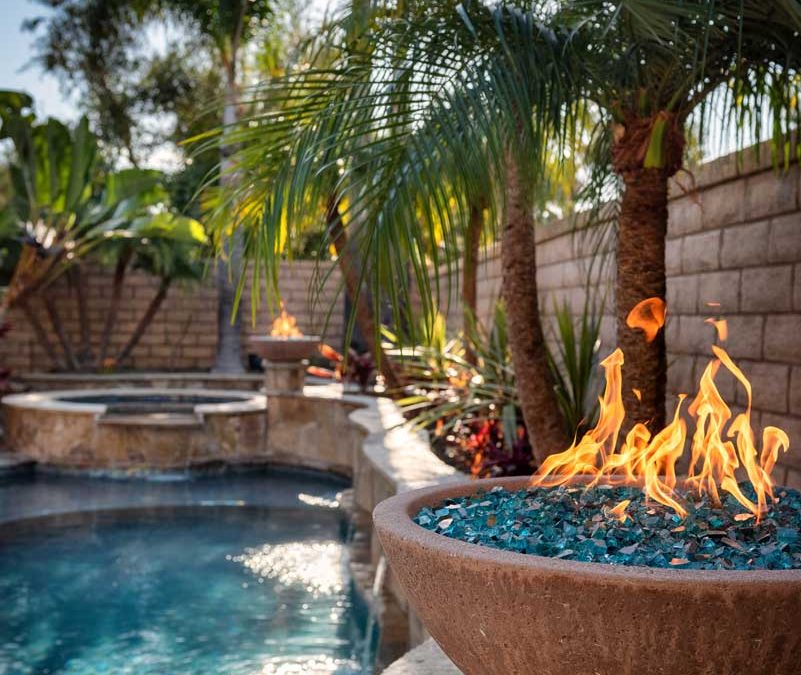
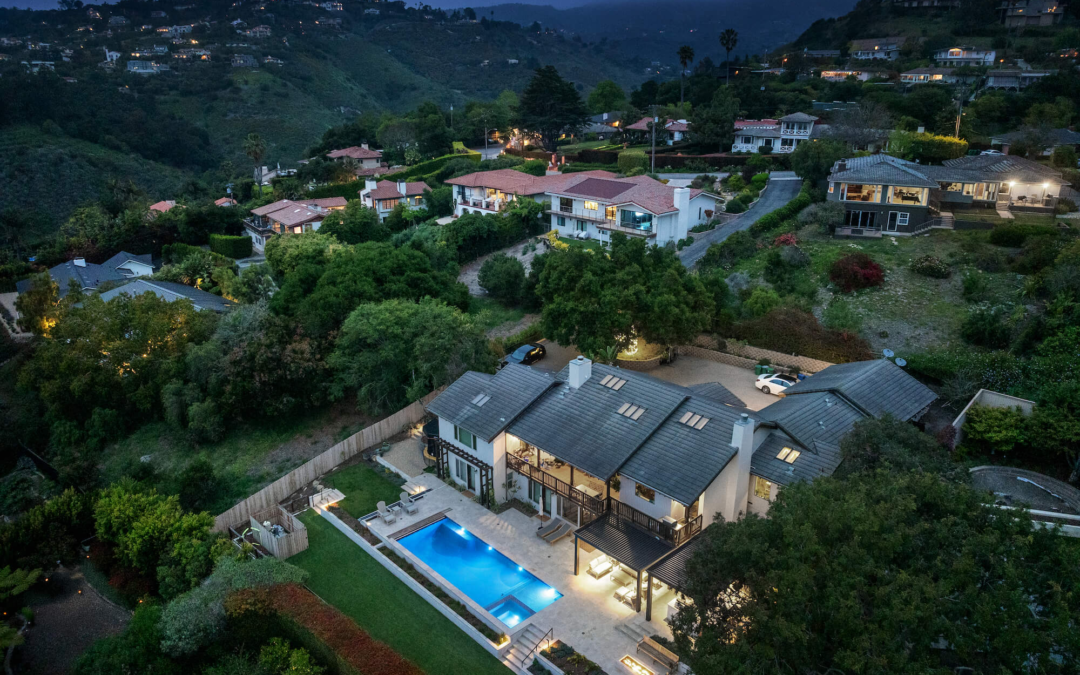
The moment the sun drops behind the hills, a well-designed pool with fire features changes character. Water begins to reflect movement and light in a completely different way. What felt beautiful during the day suddenly feels cinematic, intimate, and deeply intentional.
That shift is exactly why fire has become one of the most requested elements in high-end outdoor design. It does more than add ambiance. It gives the poolscape a focal point after dark, extends the usability of the space through cooler evenings, and creates a stronger connection between the pool, spa, lounge areas, and architecture of the home. When it is handled with restraint and precision, fire turns an attractive backyard into a fully realized outdoor living environment.
Why a Pool With Fire Features Feels So Elevated
There is a reason luxury properties often pair water and flame. The contrast is powerful, but it is not only about drama. Fire brings warmth to spaces that can otherwise feel visually cool or expansive. In larger yards, it helps anchor the design and make the environment feel more intimate. In more compact settings, it can create a strong visual center without adding clutter.
For Southern California homeowners, this pairing also makes practical sense. Outdoor living happens year-round here, but evening temperatures can shift quickly, especially in coastal or hillside communities. A fire element near the pool deck, spa edge, or entertaining terrace makes the space more comfortable and inviting long after the water is still.
There is also a property value component. Buyers at the luxury level are not just looking for a pool. They are looking for a complete experience, one that feels custom and considered. A thoughtfully integrated fire feature signals exactly that.
The Best Fire Features for Luxury Pool Design
Not every fire element belongs in every project. The right choice depends on architecture, lot size, circulation, and how the space will actually be used.
Fire bowls remain one of the most refined options for a pool environment. They can frame a vanishing edge, sit on columns at the far end of the pool, or punctuate a raised spa wall. Their appeal comes from their sculptural presence. During the day, they read as strong design objects. At night, they deliver a controlled, elegant flame that reflects beautifully across the water.
Linear fire features create a different effect. They tend to feel more contemporary and architectural, especially when integrated into a long wall, water feature, or outdoor lounge zone. In modern homes with strong horizontal lines, a linear flame can reinforce the geometry of the entire yard.
A fire pit near the pool is often the most social option. It encourages gathering, conversation, and lingering after a swim. This is especially effective when the pool is part of a broader outdoor entertaining plan that includes dining, an outdoor kitchen, or a covered living area. The key is placement. A fire pit should feel connected to the pool, not dropped beside it as a separate idea.
Torches and smaller accent flames can work well too, but they require discipline. Used sparingly, they add rhythm and movement. Used too heavily, they can make a space feel theatrical in the wrong way. In most luxury environments, fewer fire moments with better placement create a stronger result than too many competing elements.
Placement Matters More Than the Feature Itself
The most successful pool with fire features is not defined by the size of the flame. It is defined by where that flame sits in relation to the rest of the environment.
A fire feature should be visible from key vantage points. That usually includes the main interior rooms of the home, the primary outdoor seating area, and the approach into the yard. If the flame is hidden from the spaces where people actually spend time, much of its value is lost.
Scale matters just as much. A pair of fire bowls may feel perfect on a large estate property with a broad pool and strong axial layout, but oversized elements can overwhelm a smaller yard. Likewise, a very modest flame feature may disappear in a large outdoor space with expansive hardscape and bold architecture.
Wind exposure is another major factor, especially in coastal Southern California communities. Flame behavior changes dramatically in exposed areas, and that has implications for both appearance and performance. This is where custom design and engineering become essential.
Materials Must Speak the Same Design Language
Fire features should feel like they belong to the architecture and landscape, not like decorative add-ons. Material selection is where that harmony is built.
Natural stone can give fire bowls and surrounding structures a timeless, grounded presence. Cast concrete tends to work beautifully in more modern compositions. Porcelain, smooth plaster, and precision masonry may be appropriate when the home leans clean and minimalist. Metal finishes can add sophistication, but they need to be chosen carefully in salt air environments or areas with intense sun exposure.
Color temperature matters too. Warm-toned stone can amplify the glow of the fire and make the space feel more welcoming after dark. Cooler gray palettes can look strikingly contemporary, but they often benefit from wood accents, soft landscape lighting, or warmer furnishings to avoid feeling too stark.
The finest outdoor environments are cohesive because every detail has been edited. The fire feature, coping, decking, waterline tile, planting palette, and architectural finishes should all feel related.
Safety and Performance Should Never Be an Afterthought
Elegant design still has to perform. Fire near water introduces technical considerations that should be addressed early, not during construction.
Fuel source is one of the first decisions. Natural gas is often preferred for convenience and consistent operation, while propane may be appropriate on properties where natural gas access is limited. Each option affects infrastructure, operational costs, and equipment planning.
Ventilation, burner quality, ignition systems, and shutoff access all matter. So do setbacks, code requirements, and the relationship between flame and nearby seating, planting, or overhead structures.
Maintenance deserves honest attention as well. Fire bowls and pits need periodic cleaning, burner inspection, and proper protection from debris and weather. If a client wants a low-touch environment, that preference should shape both product selection and design detailing from the beginning.
How Fire Changes the Way the Space Is Used
One of the strongest arguments for adding fire is not visual at all. It is behavioral. People use the yard differently when warmth and light are part of the design.
A pool on its own can sometimes become a daytime amenity. Add fire, and the entire environment becomes more active in the evening. The spa gets used more often. Guests stay longer. Outdoor dinners naturally extend into conversation by the water. The yard becomes less seasonal and more woven into daily life.
This is especially true when fire is layered into a broader plan. A raised spa with a fire wall behind it creates a destination. A lounge terrace with a fire pit near the pool encourages transition from swimming to relaxing. Fire bowls at the pool edge can visually connect the water to a nearby outdoor kitchen or covered pavilion.
When a Pool With Fire Features Is Not the Right Move
As compelling as fire can be, it is not always the right answer in every form. Some properties call for subtlety. If the architecture is already highly expressive or the view is the dominant focal point, oversized flames may compete rather than complement.
Budget allocation is another consideration. For some clients, investing more heavily in pool form, finishes, automation, or a fully integrated spa may create greater long-term value than multiple fire features.
There is also the question of maintenance appetite and daily habits. If the outdoor space is used primarily for quiet mornings, exercise, or family swimming, fire may play a supporting role rather than a starring one. Good design responds to lifestyle, not trend pressure.
Final Thoughts
A luxury pool should feel extraordinary in a way that still feels natural to the home and effortless to the owner. Fire can absolutely help achieve that, but only when it is integrated with intention.
The most memorable poolscapes are not built around spectacle alone. They are shaped around proportion, materiality, comfort, and the quiet confidence that every element is exactly where it should be.
If you are considering a pool with fire features, the question is not simply which feature looks impressive. It is which expression of fire will make the entire environment feel more complete, more livable, and more distinctly yours.
At Fluidity Pool Designs, we create outdoor environments that balance beauty, functionality, and long-term performance. To discuss your vision for a custom pool and outdoor living space, visit our contact page and connect with our team.
That is where enduring luxury always begins.
Ryan Clow, Owner
Fluidity Pool Designs
805-669-1200
[email protected]
Dive Into More Design Ideas
How Long Does It Take to Build a Pool? A Complete Timeline
How to Choose the Right Pool Lighting for Your Backyard
Your pool doesn’t disappear when the sun goes down. In fact, the right pool lighting can completely transform how your backyard looks and feels at night. Thoughtfully placed lights can highlight architectural details, improve safety, create a relaxing atmosphere, and...
9 Pool Features That Can Transform Your Backyard
The right pool features can transform a backyard from a place to swim into a complete outdoor environment. The best features are not simply added for appearance. They can improve how you use the pool, create a stronger connection between the pool and surrounding...
Recent Comments