How long does it take to build a pool? It is one of the first questions homeowners ask when they begin planning a new pool. Understanding the pool construction timeline can help you know what to expect from the initial consultation through the final walkthrough. A...
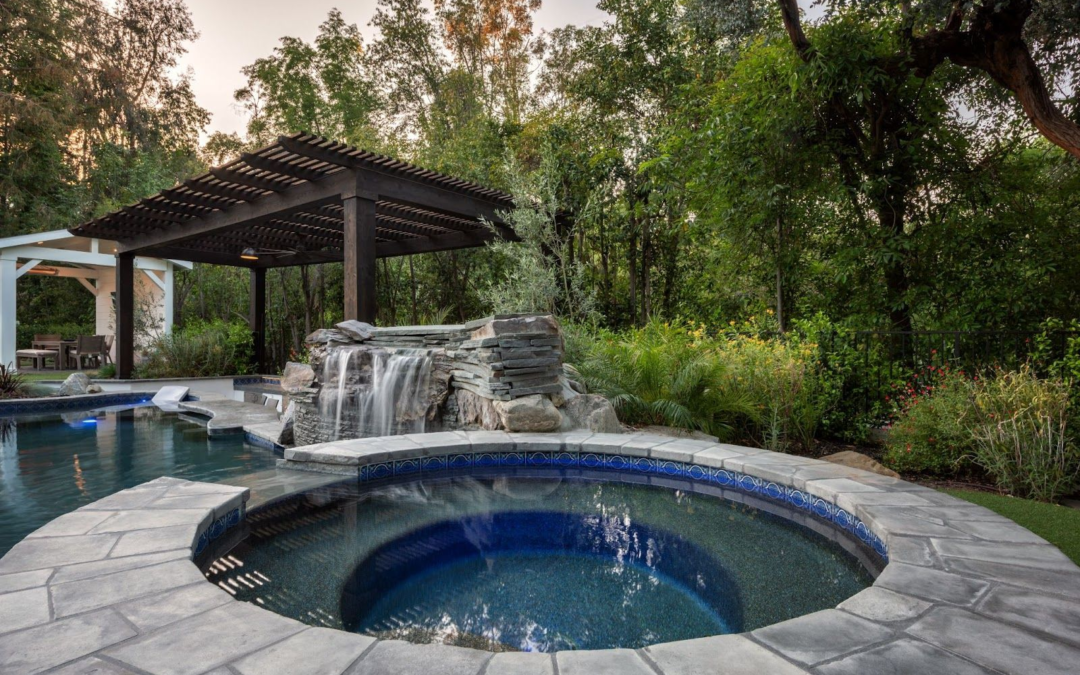
7 Things to Consider When Building a Pool in Topanga
Building a pool in Topanga is an opportunity to create an outdoor space that feels completely connected to the canyon landscape. With winding roads, sloped properties, natural surroundings, and a strong connection to outdoor living, Topanga offers a setting unlike a typical suburban backyard.
Those characteristics also mean that pool construction requires thoughtful planning from the beginning. From understanding the property and planning construction access to considering drainage, materials, and local requirements, these seven considerations can help you approach your project with greater clarity.
1. Start With the Canyon Property
Every Topanga property has its own combination of terrain, vegetation, views, access, and usable space. Before deciding on a pool shape or features, it is important to understand how those characteristics will influence the project.
When building a pool in Topanga, a site evaluation can help determine where the pool makes the most sense and what engineering or structural considerations may be necessary. Slopes, soil conditions, existing structures, and natural grade can all affect the design.
2. Plan for Construction Access
When building a pool in Topanga, winding roads and canyon properties can make construction access an important part of the planning process. Equipment, materials, excavation, and deliveries all need to reach the property safely and efficiently.
Building a pool in Topanga may require smaller equipment or alternative construction methods depending on the driveway, road conditions, staging area, and location of the pool. Evaluating access early can help avoid unexpected complications once construction begins.
3. Understand Drainage and Slope Conditions
Many Topanga properties have significant changes in elevation, making drainage and slope stability important considerations. Water needs to be managed carefully around the pool, surrounding hardscape, retaining structures, and existing landscape.
For homeowners building a pool in Topanga, engineering should account for the specific conditions of the property rather than relying on a standard approach. Proper planning can help the finished pool work naturally with the existing grade while supporting long-term stability.
4. Consider Permits and Local Requirements
Pool construction involves more than excavation and installation. Permits, inspections, engineering, property requirements, and safety considerations all need to be addressed before construction can move forward.
Building a pool in Topanga can involve additional considerations because of the area’s canyon setting and location within Los Angeles County. Certain properties may also have requirements related to fire safety or other site-specific conditions. Addressing these details early helps create a clearer path from design through construction.
5. Design Around the Natural Landscape
Topanga’s natural surroundings can become one of the most distinctive parts of a pool design. Rather than trying to make the backyard feel overly formal, consider how the pool can complement existing trees, hillsides, views, and natural materials.
A thoughtful approach to building a pool in Topanga might include organic materials, understated landscaping, natural stone, or a pool shape that follows the property’s existing lines. Contemporary designs can also work beautifully when their geometry is carefully balanced with the surrounding landscape.
6. Choose Materials for the Canyon Environment
Material selection should consider both appearance and the conditions of the property. Pool finishes, decking, stone, tile, and hardscape should complement the home’s architecture while working naturally with the canyon setting.
When building a pool in Topanga, it is also worth considering how surrounding trees, seasonal conditions, sun exposure, and local water characteristics may affect long-term maintenance. Durable materials and properly selected equipment can help the pool remain beautiful and functional over time.
7. Plan the Pool as Part of Outdoor Living
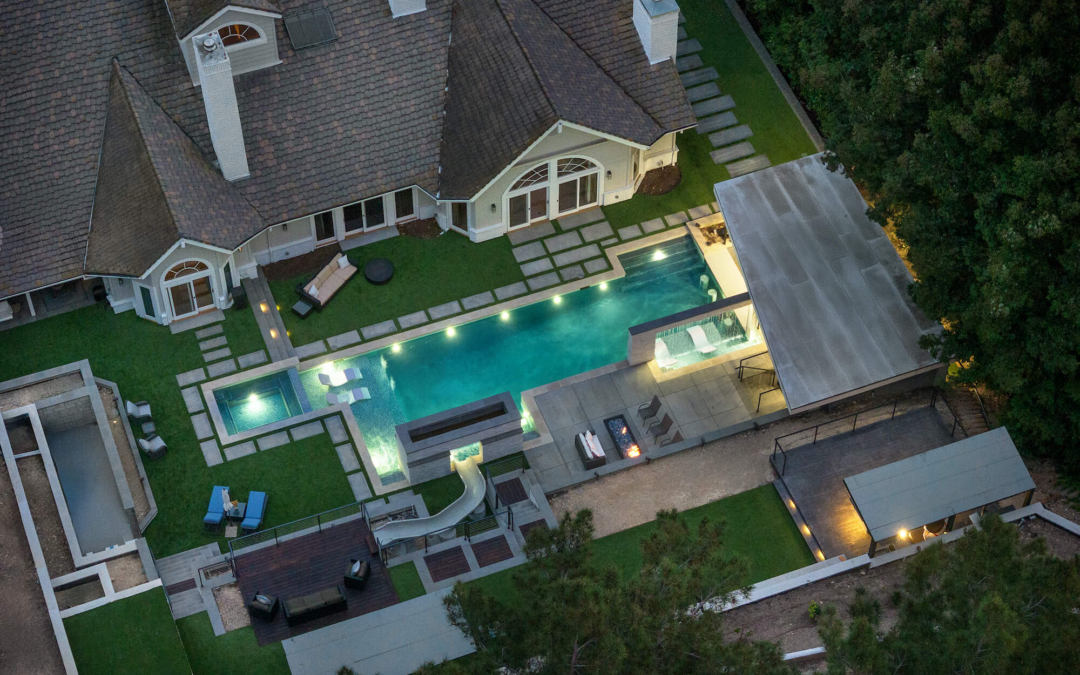
Topanga’s connection to nature makes the pool only one part of the outdoor experience. Seating areas, patios, outdoor kitchens, fire features, and landscaping can help create a backyard that is designed for more than swimming.
Building a pool in Topanga is an opportunity to create a space that reflects the way you actually use your property. A quiet retreat might call for integrated seating and natural landscaping, while a home designed for entertaining may benefit from an outdoor kitchen, gathering area, or fire feature.
Building a Pool in Topanga? Start Here
Building a pool in Topanga requires a balance between design and the realities of canyon construction. Terrain, access, drainage, permitting, materials, and the natural landscape all play a role in creating a successful project.
When those factors are considered from the beginning, the pool can feel less like something added to the property and more like a natural extension of it. The result is an outdoor environment that respects the character of Topanga while reflecting your home’s architecture and the way you want to live.
Ready to explore what is possible for your Topanga property?
Ryan Clow, Owner
Fluidity Pool Designs
805-669-1200
[email protected]
Dive Into More Design Ideas
How Long Does It Take to Build a Pool? A Complete Timeline
How to Choose the Right Pool Lighting for Your Backyard
Your pool doesn’t disappear when the sun goes down. In fact, the right pool lighting can completely transform how your backyard looks and feels at night. Thoughtfully placed lights can highlight architectural details, improve safety, create a relaxing atmosphere, and...
9 Pool Features That Can Transform Your Backyard
The right pool features can transform a backyard from a place to swim into a complete outdoor environment. The best features are not simply added for appearance. They can improve how you use the pool, create a stronger connection between the pool and surrounding...
Recent Comments