
805-669-1200 [email protected]
10 Essential Hillside Pool Design Tips

10 Essential Hillside Pool Design Tips

Hillside pool design requires thoughtful planning from the very beginning. A sloped property can create incredible opportunities for a luxury pool, especially when elevation opens up expansive views and unique architectural possibilities.

However, building a pool on a slope involves more than choosing the right shape and finishes. Hillside pool design must account for grading, drainage, structural engineering, access, permits, and how the pool connects to the surrounding landscape.


1. Start With a Site Evaluation


The first step in hillside pool design is understanding the property. The slope, soil conditions, elevation changes, existing structures, and property boundaries can all influence where a pool can be placed and how it should be constructed.

A detailed site evaluation can identify potential challenges early while also revealing opportunities to make the most of the property. Instead of forcing a standard pool layout onto a sloped lot, the goal is to create a design that works with the landscape.

For homeowners considering hillside pool construction, evaluating the site before design begins can make the entire project more intentional.


2. Plan for Structural Engineering


A pool on a slope has different structural requirements than one built on level ground. Depending on the property, the project may require engineered foundations, retaining structures, specialized excavation, or additional site support.

Structural engineering should be considered as part of the design process rather than added later. Integrating engineering early helps ensure the pool, surrounding structures, and landscape are designed to work together.

For complex properties, this early coordination is an important part of successful hillside pool design.


3. Consider Drainage and Water Management


Water naturally moves downhill, making drainage one of the most important considerations for a sloped backyard pool. Poorly managed runoff can create problems around the pool, retaining walls, landscaping, and nearby structures.

A well-planned drainage system directs water away from critical areas and helps protect the property over time. Effective hillside pool design considers how water moves across the entire site before excavation begins.

Planning drainage early can also help reduce complications during construction and create a more durable outdoor environment.


4. Incorporate Retaining Walls Into the Design


Retaining walls may be necessary to manage changes in elevation or create usable areas around the pool. Rather than treating them as purely structural elements, they can become part of the overall landscape and architecture.

Terraced seating, planted areas, patios, and other outdoor features can help integrate retaining walls into the property. This approach makes better use of the available space while creating a more cohesive hillside pool design.

When thoughtfully planned, multiple levels can transform a steep property into a series of connected outdoor spaces.


5. Design Around the View


One of the greatest advantages of a hillside property is the view. Pool placement and orientation should be carefully considered so the surrounding landscape becomes part of the experience.

A well-positioned pool can frame ocean views, mountain ranges, valleys, or the surrounding California landscape. The best hillside pool design enhances what is already special about the property rather than competing with it.

Elevation can also create unique sightlines from inside the home, outdoor living areas, and surrounding terraces.


6. Explore an Infinity or Negative Edge


Infinity pools are especially striking on sloped properties because their disappearing edge can create a seamless visual connection between the water and the landscape beyond.

The natural elevation of a hillside can enhance this effect, but infinity edges require careful structural and hydraulic planning. When thoughtfully integrated, an infinity pool can become one of the defining elements of a hillside pool design.

The right approach depends on the property’s slope, views, engineering requirements, and overall architectural style.


7. Plan for Construction Access


Getting equipment, materials, and construction crews onto a hillside property can be more complicated than working on a flat lot. Limited access can affect excavation, deliveries, staging, and the overall construction process.

These logistics should be evaluated during the early design phase. Planning for equipment access, material deliveries, excavation, and construction staging can help reduce unnecessary delays and unexpected challenges later in the project.

For that reason, construction planning should be part of the hillside pool design process from the beginning.


8. Understand Grading and Permit Requirements


Hillside pool construction may involve more than a standard pool permit. Depending on the property’s location and the scope of the project, grading, excavation, retaining walls, drainage, and other site improvements may require additional review.

Local requirements vary throughout Southern California, so homeowners should understand the permitting process before finalizing their pool design.

Addressing these requirements early can help create a clearer path from the initial concept through construction.


9. Design the Entire Outdoor Space


A hillside pool should feel connected to the rest of the property rather than appearing as a standalone feature. The pool, landscape, hardscape, architecture, and outdoor living spaces should all work together.

Terraced patios, outdoor kitchens, fire features, integrated seating, and carefully placed landscaping can transform a challenging slope into a series of connected spaces.

A cohesive hillside pool design makes the entire backyard feel intentional while creating more opportunities for outdoor living.


10. Work With an Experienced Pool Designer


Hillside projects require close coordination between design, engineering, permitting, and construction. Working with a pool design company experienced with sloped properties can help bring these elements together from the beginning.

An experienced designer can also help identify opportunities that may not be obvious at first, from maximizing views to creating multiple levels of outdoor living.

Rather than simply overcoming the challenges of a hillside, the right hillside pool design can use the property’s elevation, architecture, and views to create something that could not be achieved on a flat lot.


Make the Most of Your Hillside Property


A sloped backyard can present challenges, but it can also create the foundation for a truly distinctive outdoor space. With thoughtful planning, the elevation, views, and natural character of the property can become central to the design.

From infinity pools overlooking the landscape to layered outdoor living spaces, thoughtful hillside pool design can turn a difficult site into a beautiful extension of the home.


Ready to explore what is possible on your property?

Contact Fluidity Pool Designs to begin planning a custom pool and outdoor living environment designed around your home’s unique site.

Ryan Clow, Owner
Fluidity Pool Designs
805-669-1200
[email protected]

Dive Into More Design Ideas

How Long Does It Take to Build a Pool? A Complete Timeline

How Long Does It Take to Build a Pool? A Complete Timeline

How long does it take to build a pool? It is one of the first questions homeowners ask when they begin planning a new pool. Understanding the pool construction timeline can help you know what to expect from the initial consultation through the final walkthrough. A...
How to Choose the Right Pool Lighting for Your Backyard

How to Choose the Right Pool Lighting for Your Backyard

Your pool doesn’t disappear when the sun goes down. In fact, the right pool lighting can completely transform how your backyard looks and feels at night. Thoughtfully placed lights can highlight architectural details, improve safety, create a relaxing atmosphere, and...

9 Pool Features That Can Transform Your Backyard

9 Pool Features That Can Transform Your Backyard

The right pool features can transform a backyard from a place to swim into a complete outdoor environment. The best features are not simply added for appearance. They can improve how you use the pool, create a stronger connection between the pool and surrounding...

15 Luxury Pool Design Ideas for California Homes

15 Luxury Pool Design Ideas for California Homes

Luxury pool design ideas can transform a California backyard into an extension of the home. The best designs go beyond the water itself, bringing together architecture, landscape, entertaining, privacy, views, and outdoor living.

Whether you are designing a new pool or reimagining an existing backyard, these 15 luxury pool design ideas can help create an outdoor environment that feels refined, functional, and connected to your California home.


1. Create a Dramatic Infinity Edge


An infinity edge can turn a pool into a visual connection between the property and its surroundings. This is especially striking on hillside and coastal properties, where the water can appear to flow directly into the horizon.

The key is proportion and placement. A carefully designed vanishing edge should frame the view without competing with the architecture or surrounding landscape.


2. Design the Pool Around the View


One of the most effective luxury pool design ideas is to let the property itself guide the design. Canyon views, ocean horizons, mountain landscapes, and mature trees can all influence the shape, orientation, and elevation of the pool.

When the pool is positioned around the home’s most important sightlines, the entire backyard can feel more connected to its surroundings.


3. Add a Custom Spa


A custom spa should feel like part of the architecture rather than an attachment to the pool. Raised spas, integrated seating, custom spillways, and coordinating finishes can make the transition between pool and spa feel intentional.

For homeowners who use their outdoor space year-round, a thoughtfully positioned spa can also become a destination for evening relaxation. As part of a larger poolscape, it is one of many luxury pool design ideas that can add both function and visual interest.


4. Incorporate Fire Features


Water and fire create a natural contrast that can give a poolscape an entirely different character after sunset. Fire bowls, linear flames, fire walls, and sculptural fire elements can provide warmth, movement, and a strong visual focal point.

The most sophisticated designs use fire selectively. A few well-placed elements can create more impact than filling the backyard with competing features.


5. Create a Baja Shelf


A Baja shelf adds a shallow area where homeowners can sit, lounge, or cool off without fully entering the deeper water. It can also create a comfortable space for families and guests to gather around the pool.

Integrated loungers, umbrellas, or subtle water features can make the shelf feel like a designed destination rather than simply a shallow section of the pool.


6. Build an Outdoor Kitchen


A pool becomes even more useful when it is connected to a complete outdoor living environment. An outdoor kitchen can include a built-in grill, refrigerator, sink, storage, beverage center, and dedicated preparation space.

Placement matters. The kitchen should be close enough to the pool and dining areas to support entertaining while still allowing each zone to have its own purpose. Thoughtful outdoor kitchens are also among the most practical luxury pool design ideas for California homes designed around entertaining.


7. Use Large-Format Hardscape


Large-format stone and porcelain pavers can give a pool deck a clean, architectural appearance. Fewer visual breaks can make the surrounding space feel larger while allowing the pool to remain the focal point.

Material selection should also account for California’s sun exposure, heat, water, and long-term maintenance requirements.


8. Integrate the Pool With the Architecture


The strongest luxury pool design ideas respond directly to the architecture of the home. Clean-lined contemporary houses may call for geometric pools and minimal detailing, while Mediterranean or transitional homes may benefit from warmer materials and softer forms.

Repeating architectural lines, materials, and proportions can make the transition from indoors to outdoors feel seamless.


9. Add a Perimeter Overflow


A perimeter-overflow pool creates an exceptionally clean waterline by allowing water to flow continuously over one or more edges. The effect can feel almost mirror-like, particularly when paired with simple architectural detailing.

Because these systems require careful hydraulic planning, they should be considered early in the design process rather than added after the pool layout has been established. For homeowners exploring luxury pool design ideas with a modern aesthetic, a perimeter overflow can create a striking architectural effect.


10. Design a Resort-Style Lounge Area


A luxury pool should offer more than a place to swim. Comfortable lounge areas create spaces for reading, relaxing, socializing, and enjoying the landscape without getting into the water.

Built-in seating, shaded retreats, outdoor furnishings, and carefully positioned terraces can make the backyard feel more like a private resort.


11. Layer the Landscape Around the Pool


Planting can soften hardscape, frame views, create privacy, and connect the pool to the surrounding property. The right landscape palette should complement the architecture rather than overwhelm the pool.

California-friendly planting can also help create a beautiful environment while supporting more thoughtful water use. Combining thoughtful planting with other luxury pool design ideas can create a backyard that feels cohesive rather than overly constructed.


12. Use Lighting to Change the Mood


Lighting is one of the most overlooked luxury pool design ideas. A well-planned system can transform the backyard after dark through underwater lighting, step lights, landscape illumination, and subtle architectural accents.

The goal is not to make everything bright. Layered lighting creates depth and allows certain areas to become focal points while others remain softly illuminated.


13. Integrate Pool Automation


Luxury pools often include multiple systems working together, from pumps and heaters to lighting, water features, and spas. Pool automation can bring these elements into one intuitive experience.

With properly programmed controls, homeowners can create settings for entertaining, relaxing, heating, lighting, and everyday maintenance without manually managing every component. It is a practical addition to luxury pool design ideas focused on convenience as well as aesthetics.


14. Create a Seamless Indoor-Outdoor Connection


California’s climate makes indoor-outdoor living a natural part of the home. Positioning the pool and surrounding spaces to align with major interior rooms can make the backyard feel like a continuation of the home’s living space.

Large openings, aligned sightlines, consistent materials, and thoughtfully placed dining and lounge areas can strengthen that connection.


15. Design the Entire Backyard as One Environment


The most successful luxury pool design ideas are not considered individually. The pool, spa, hardscape, landscape, lighting, fire, outdoor kitchen, and architecture should all contribute to one cohesive experience.

This design-first approach helps prevent a backyard from feeling crowded or disconnected. Instead, each element has a purpose and a relationship to the spaces around it.


Final Thoughts


The best luxury pools are not defined by how many features they include. They are defined by how thoughtfully those features work together. For California homeowners, the ideal design should respond to the property, complement the architecture, and support the way the space will actually be used.

At Fluidity Pool Designs, we approach each project as a complete outdoor environment, combining design, engineering, craftsmanship, and thoughtful detailing to create pools that feel as natural to the property as they are exceptional.

If you are considering a new pool or backyard transformation, these luxury pool design ideas can be a starting point for thinking about how you want to live outside.


Ready to explore your pool design possibilities?

Contact Fluidity Pool Designs to begin planning a custom pool and outdoor living environment designed around your home’s unique site.

Ryan Clow, Owner
Fluidity Pool Designs
805-669-1200
[email protected]

Dive Into More Design Ideas
How Long Does It Take to Build a Pool? A Complete Timeline
How Long Does It Take to Build a Pool? A Complete Timeline

How long does it take to build a pool? It is one of the first questions homeowners ask when they begin planning a new pool. Understanding the pool construction timeline can help you know what to expect from the initial consultation through the final walkthrough. A...

How to Choose the Right Pool Lighting for Your Backyard

How to Choose the Right Pool Lighting for Your Backyard

Your pool doesn’t disappear when the sun goes down. In fact, the right pool lighting can completely transform how your backyard looks and feels at night. Thoughtfully placed lights can highlight architectural details, improve safety, create a relaxing atmosphere, and...
9 Pool Features That Can Transform Your Backyard

9 Pool Features That Can Transform Your Backyard

The right pool features can transform a backyard from a place to swim into a complete outdoor environment. The best features are not simply added for appearance. They can improve how you use the pool, create a stronger connection between the pool and surrounding...
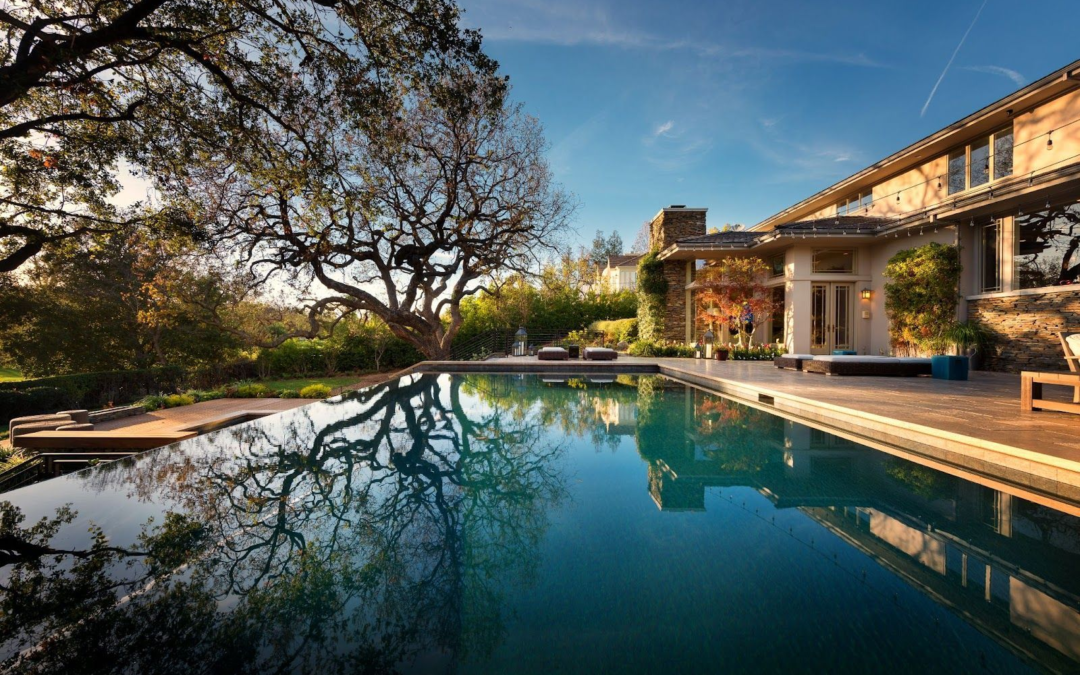
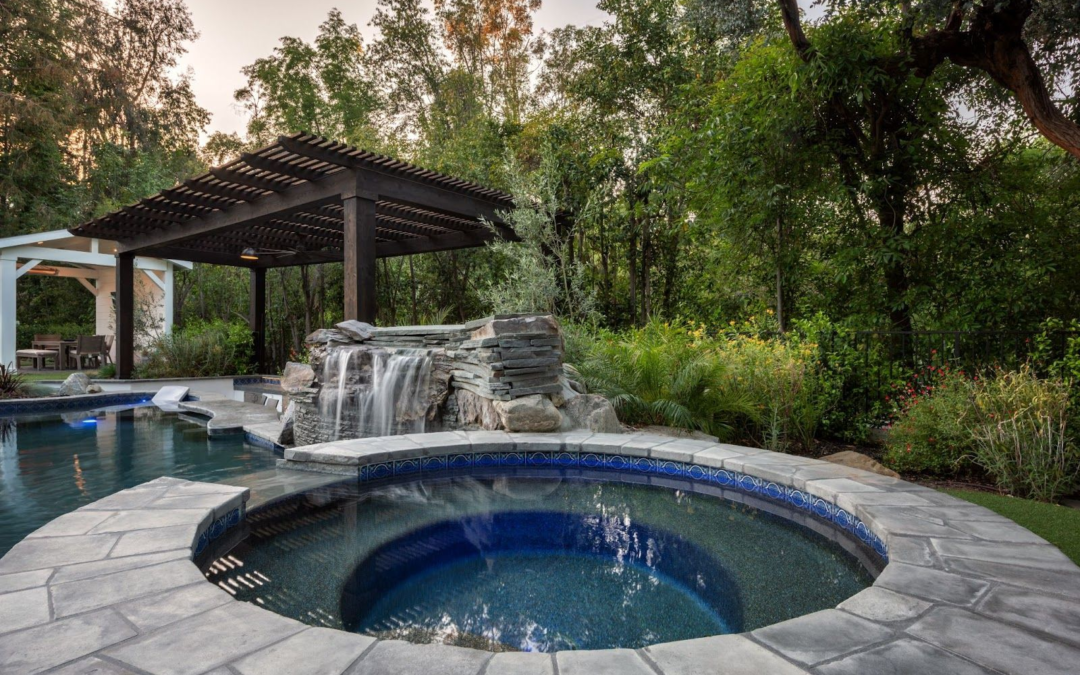
Building a Pool in Southern California: What Homeowners Need to Know

Building a Pool in Southern California: What Homeowners Need to Know

Building a pool is one of the most significant improvements you can make to your Southern California home. With the right design, a pool can create a beautiful outdoor living space while complementing your home’s architecture, landscape, and lifestyle.

However, building a pool involves much more than choosing a shape and selecting tile. Site conditions, permitting, safety requirements, equipment, materials, landscaping, and outdoor living spaces all play a role in the finished project.

For Southern California homeowners, the planning process can also vary depending on the property. Coastal homes, hillside properties, established neighborhoods, and larger estates can each present different opportunities and challenges.

Understanding what goes into building a pool before construction begins can help you make informed decisions and create a finished backyard that feels intentional from every angle.


1. Start With Your Property


Every property has its own opportunities and challenges. Before designing a pool, consider the size and shape of your yard, existing structures, elevation changes, access points, landscaping, property lines, and views.

A thoughtful site evaluation helps determine where the pool should go and how it should connect with the rest of the property. This is especially important for Southern California homes with sloped lots, limited backyard space, or established landscaping.

Existing trees, retaining walls, structures, and changes in elevation can all influence the layout. The location of the home, neighboring properties, and surrounding landscape can also affect privacy, sun exposure, and views.

When building a pool, the goal should not simply be to find an open area large enough for the water. The pool should be positioned in a way that works with the property as a whole.

A careful site evaluation at the beginning can help guide decisions throughout the rest of the project.


2. Understand Local Permits and Requirements


Building a pool typically requires permits and inspections. Local requirements can vary depending on your city and property, so your project should account for applicable zoning, building, electrical, plumbing, and safety regulations.

Southern California includes many different cities and jurisdictions, each with its own permitting process and property requirements. Setbacks, easements, grading, drainage, access, and other site-specific considerations may need to be evaluated before construction begins.

Pool projects may also involve multiple stages of review and inspection. Understanding these requirements early can help establish realistic expectations for the design and construction process.

Planning for permits from the beginning is an important part of building a pool. It can help prevent avoidable changes or delays after the project is already underway.


3. Design Around How You Live


The best pool design is not simply the most impressive one. It is the one that works naturally with the way you use your home and outdoor space.

Think about whether your pool will primarily be used for entertaining, relaxing, exercising, family time, or a combination of activities. These priorities can influence the pool’s size, depth, shape, seating areas, spa, and surrounding features.

If you frequently entertain, you may want generous areas for lounge seating, dining, or an outdoor kitchen. If relaxation is the priority, an integrated spa, tanning ledge, comfortable seating, or shaded areas may become more important.

When building a pool, these lifestyle considerations should be addressed before the layout is finalized. A pool designed around how you actually live can feel more useful and natural than one designed around features alone.


4. Consider the Entire Backyard


A pool should feel like part of the landscape rather than an isolated feature. Consider how the pool connects to patios, outdoor kitchens, fire features, planting areas, walkways, and other outdoor living spaces.

Think about how someone will move from the house to the pool, from the pool to an outdoor dining area, or from a lounge space into the landscape. These transitions should feel natural and comfortable.

Hardscape is also an important part of the overall composition. Decking, steps, patios, retaining walls, and pathways can help define different areas while creating a sense of continuity throughout the backyard.

Planning the entire backyard together allows building a pool to become part of a larger outdoor living plan rather than a standalone construction project.

A cohesive design can make the property feel more intentional while giving each area a clear purpose.


5. Plan for Southern California’s Climate


Southern California’s climate creates excellent conditions for outdoor living, but it should also influence your pool design. Sun exposure, wind, surrounding vegetation, and water use can all affect how your pool performs and how comfortable the surrounding spaces feel.

Consider how the sun moves across the property throughout the day. The orientation of the pool can influence water temperature, shade, glare, and how comfortable different areas are during morning and afternoon use.

Landscaping can also help create shade, privacy, and protection from the elements. Existing trees may provide valuable shade, while new planting can help frame the pool and connect it to the surrounding landscape.

Materials should also be selected with the outdoor environment in mind. Pool finishes, coping, decking, and tile need to complement the architecture while performing appropriately in Southern California conditions.

Considering climate early in the process can help create a more comfortable and efficient outdoor environment.


6. Prioritize Pool Safety From the Beginning


Safety should be incorporated into the design from the beginning rather than treated as an afterthought. California has specific requirements for residential swimming pools, including drowning-prevention features and anti-entrapment measures.

Depending on the property and project, safety considerations may include barriers, gates, alarms, pool covers, and appropriate equipment around drains and circulation systems.

The goal is to meet necessary requirements while incorporating safety features into the overall design. A thoughtfully planned barrier or gate can complement the architecture and landscape rather than feeling like an addition made at the last minute.

When building a pool, safety requirements should be considered alongside the layout, access points, surrounding hardscape, and outdoor living spaces.

Working through these details during the design phase can create a safer environment while keeping the finished backyard cohesive.


7. Choose Materials That Complement Your Home


Pool finishes, coping, decking, tile, and surrounding materials have a major impact on the final appearance. They also need to perform well in an outdoor environment.

Consider how each material will look alongside your home’s architecture and landscape. A contemporary home may call for clean lines and restrained materials, while a more traditional property may benefit from natural stone, textured finishes, or warmer details.

Color also plays an important role. Pool finishes can influence the appearance of the water, while coping and decking help establish the visual connection between the pool and surrounding spaces.

Rather than choosing each material independently, consider how the complete palette will look together.

Thoughtful material selection can help the pool feel like a natural extension of the property and can give the entire backyard a more cohesive appearance.


8. Think Beyond the Pool


Some of the most memorable backyard designs extend well beyond the water. Spas, tanning shelves, outdoor kitchens, fire features, cabanas, and integrated lighting can transform a pool area into a complete outdoor living environment.

These features should be selected based on how you want to use the space rather than simply adding as many amenities as possible.

An outdoor kitchen may make sense for homeowners who frequently entertain, while a fire feature can create a comfortable gathering point during cooler evenings. A tanning ledge can provide a shallow place to relax, while an integrated spa can extend the use of the pool area throughout the year.

When building a pool, planning these elements alongside the pool itself can create better connections between different areas of the backyard.

The strongest designs use features intentionally so the finished space feels balanced rather than crowded.


9. Invest in the Right Pool Equipment


Pool equipment affects everything from water quality to maintenance and energy use. Pumps, filtration, heating, lighting, automation, and water management systems should be considered during the design process.

Proper equipment sizing is particularly important. The system should be selected based on factors such as pool volume, circulation requirements, features, heating needs, and how the pool will be used.

Automation can also simplify the experience of owning a pool. Depending on the system, homeowners may be able to control pumps, heating, lighting, water features, and other functions through an integrated control system.

Equipment placement matters, too. The equipment area should provide adequate room for installation, maintenance, and future service while remaining as discreet as possible within the property.

Planning pool equipment early allows the mechanical systems to be integrated into the project rather than accommodated after the primary design is complete.


10. Work With an Experienced Pool Professional


Building a pool in Southern California requires coordination between design, engineering, permitting, construction, equipment, and the surrounding landscape. An experienced pool professional can help bring these pieces together from the beginning.

Look for a company that understands local requirements and approaches the project as a complete design rather than simply a construction job.

Experience can be particularly valuable when a property presents unique conditions such as a hillside, limited access, existing landscaping, or complex architectural relationships.

A knowledgeable pool professional can help identify potential challenges early, coordinate the different stages of the project, and develop a design that responds to the property rather than forcing a predetermined solution onto it.

When building a pool, having an experienced team involved from the beginning can help create a smoother process and a more cohesive finished result.


Plan for the Entire Pool Experience


Building a pool is an opportunity to create more than a place to swim. With thoughtful planning, your pool can become the foundation for a backyard designed around how you live, entertain, relax, and enjoy your home.

For Southern California homeowners, the strongest results come from approaching the project with design, site conditions, safety, materials, equipment, and long-term use in mind from the very beginning.

The pool itself is only one part of the experience. The surrounding landscape, hardscape, outdoor living spaces, lighting, and architectural details all contribute to how the finished property looks and feels.

By considering these elements together, building a pool can become an opportunity to create a more connected outdoor environment rather than simply adding a new feature to the backyard.


At Fluidity Pool Designs, we approach each project as a complete outdoor environment. From the initial site and design considerations through construction and equipment integration, our goal is to create custom pools that feel connected to the homes and landscapes around them.

If you are considering building a pool in Southern California, thoughtful planning from the beginning can help you create a space that is beautiful, functional, and designed specifically around your property and lifestyle.


Ready to start planning your pool?

Contact Fluidity Pool Designs to begin creating a custom pool and outdoor living environment designed specifically for your home.

Ryan Clow, Owner
Fluidity Pool Designs
805-669-1200
[email protected]

Dive Into More Design Ideas

How Long Does It Take to Build a Pool? A Complete Timeline

How Long Does It Take to Build a Pool? A Complete Timeline

How long does it take to build a pool? It is one of the first questions homeowners ask when they begin planning a new pool. Understanding the pool construction timeline can help you know what to expect from the initial consultation through the final walkthrough. A...

How to Choose the Right Pool Lighting for Your Backyard

How to Choose the Right Pool Lighting for Your Backyard

Your pool doesn’t disappear when the sun goes down. In fact, the right pool lighting can completely transform how your backyard looks and feels at night. Thoughtfully placed lights can highlight architectural details, improve safety, create a relaxing atmosphere, and...

9 Pool Features That Can Transform Your Backyard

9 Pool Features That Can Transform Your Backyard

The right pool features can transform a backyard from a place to swim into a complete outdoor environment. The best features are not simply added for appearance. They can improve how you use the pool, create a stronger connection between the pool and surrounding...
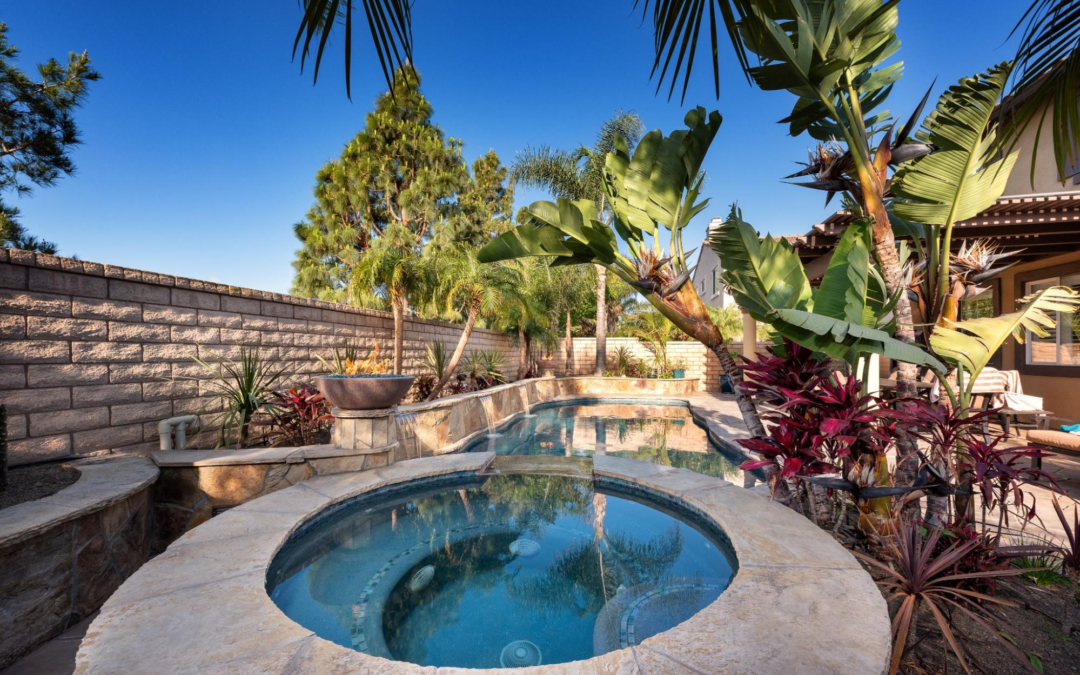
What Happens Before a Pool Is Built? The Complete Pre-Construction Process

What Happens Before a Pool Is Built? The Complete Pre-Construction Process

Building a pool starts long before the first shovel hits the ground.

What happens before construction begins can have just as much impact on the final result as the construction itself. From understanding the property to developing the design, coordinating engineering, and securing approvals, every stage of pool pre-construction helps set the project up for success.

A well-planned pool should feel like it belongs on the property. That means considering the architecture, existing landscape, elevations, access, materials, utilities, and the way the space will ultimately be used.

So, what actually happens before a pool is built?

Here is a look at the complete pool pre-construction process and the steps that help turn an initial idea into a clear construction plan.


1. Understanding the Property


Every pool project starts with the property itself.

Before a design can be finalized, the site needs to be evaluated for factors that may influence the pool’s location, shape, and construction.

  • Property dimensions
  • Existing structures
  • Changes in elevation
  • Landscape and hardscape
  • Access to the construction area
  • Existing utilities and drainage

This initial evaluation is one of the most important parts of pool pre-construction because the site ultimately determines what is possible.

A thoughtful design works with the property rather than trying to force a predetermined pool into the space. Understanding the site early also helps the design team identify potential challenges before they affect construction.


2. Defining How the Pool Will Be Used


The next step is understanding what the pool needs to accomplish.

Some homeowners want a pool primarily for swimming and exercise. Others envision a space for entertaining, relaxing, gathering with family, or creating a visual centerpiece for the backyard.

These priorities influence everything from the pool’s dimensions to the surrounding outdoor living areas.

During pool pre-construction, it is helpful to consider:

  • How many people will typically use the pool
  • Whether entertaining is a priority
  • Whether a spa or tanning ledge is desired
  • How the pool connects to outdoor living spaces
  • How the backyard should feel at different times of day

Defining these goals early makes it easier to create a design that feels personal rather than generic. It also gives the pool pre-construction process a clear direction from the beginning.


3. Developing the Pool Design


Once the property and priorities are understood, the design begins to take shape.

This is where the pool’s proportions, geometry, elevations, water features, coping, decking, and surrounding spaces are carefully considered.

The design should also respond to the architecture of the home. A modern residence may call for clean geometry and minimal detailing, while a more traditional property may benefit from softer forms and natural materials.

During pool pre-construction, the goal is to create a design that feels connected to the entire property.

The design process also provides an opportunity to identify details that may be difficult or costly to change once construction has begun. Resolving those decisions early helps create a smoother transition into the building phase.


4. Creating Plans and Visualizations


Seeing the design before construction begins can make a major difference.

Detailed plans and 3D visualizations can help homeowners understand how the pool will relate to the home, landscaping, outdoor rooms, and surrounding property.

These tools can help clarify:

  • Pool placement
  • Scale and proportions
  • Elevation changes
  • Material transitions
  • Water features
  • Outdoor living areas

Rather than relying entirely on imagination, homeowners can review the proposed environment and make informed decisions before construction begins.

This is a key advantage of a thorough pool pre-construction process. Visualizing the finished space early allows design details to be refined while there is still flexibility to make changes.


5. Coordinating Engineering and Technical Requirements


A beautiful pool still needs to work properly.

Engineering and technical planning help determine how the pool will be constructed and how its systems will operate.

Depending on the property and design, this can involve structural considerations, grading, drainage, hydraulics, equipment placement, and other technical requirements.

These details are often hidden once the project is complete, but they play an important role in the performance and longevity of the finished pool.

Good pool pre-construction brings these considerations into the design process instead of treating them as an afterthought.


6. Selecting Materials and Finishes


Material selection is another important part of preparing for construction.

The pool finish, tile, coping, decking, stone, and surrounding materials should work together visually and functionally.

Selections may include:

  • Interior pool finishes
  • Glass or porcelain tile
  • Natural stone
  • Concrete or other decking materials
  • Coping details
  • Custom accent materials

Material decisions can also influence how the water looks throughout the day. Light, texture, color, and surrounding finishes all contribute to the final atmosphere.

Making these decisions during pool pre-construction helps ensure the materials are incorporated intentionally into the overall design. It also allows the construction team to account for important details before work begins.


7. Reviewing Permits and Local Requirements


Before construction can begin, the appropriate permits and approvals need to be addressed.

Requirements vary depending on the location, property, and scope of the project. Local regulations may affect setbacks, drainage, safety requirements, grading, structural details, and other aspects of the design.

Understanding these requirements early can help prevent unnecessary delays later.

A professional pool design and construction team can help coordinate the documentation and approvals needed for the project as part of the pool pre-construction process.


8. Planning Construction Access and Logistics


One of the most overlooked parts of pool pre-construction is figuring out how everything will actually get to the backyard.

Construction access can be especially important on properties with narrow side yards, steep slopes, limited street access, or existing structures that need to be protected.

The construction team may need to plan for:

  • Equipment access
  • Material delivery
  • Excavation and soil removal
  • Protection of existing landscaping
  • Temporary construction areas
  • Coordination with other trades

Planning these logistics before construction starts can make the building process more organized and help protect the surrounding property.

Addressing access during pool pre-construction also helps the team understand how materials, equipment, and crews will move through the site before work begins.


9. Finalizing the Construction Plan


Before excavation begins, the major design and construction details should be reviewed and coordinated.

This is the point where the vision becomes a clear roadmap for the project.

The final pool pre-construction plan may bring together:

  • Approved designs and plans
  • Engineering requirements
  • Material selections
  • Equipment specifications
  • Construction logistics
  • Permit requirements

Taking the time to coordinate these details before breaking ground helps reduce surprises and creates a stronger foundation for the construction phase.

A complete pool pre-construction plan gives everyone involved a shared understanding of the design, technical requirements, and logistics before construction begins.


Why Pool Pre-Construction Matters


The pool pre-construction phase may not be the most visible part of building a pool, but it is where many of the most important decisions are made.

Good pool pre-construction connects the creative vision with the technical realities of the property. It gives the design team an opportunity to identify challenges, refine details, coordinate requirements, and create a plan that can be executed successfully.

For complex or highly customized pools, this preparation becomes even more important. The more integrated the design, the more valuable it is to resolve details before construction begins.


Final Thoughts


A successful pool project does not begin with excavation. It begins with understanding.

From evaluating the property and defining how the space will be used to developing plans, selecting materials, coordinating engineering, reviewing permits, and planning construction access, every stage of pool pre-construction contributes to the finished result.

When the planning is thorough, construction becomes more than simply building a pool. It becomes the process of bringing a carefully considered outdoor environment to life.

At Fluidity Pool Designs, we approach every project with thoughtful planning and attention to detail, creating pools and outdoor spaces designed specifically for the property, the architecture, and the people who will enjoy them.

Ryan Clow, Owner
Fluidity Pool Designs
805-669-1200
[email protected]

Dive Into More Design Ideas

How Long Does It Take to Build a Pool? A Complete Timeline

How Long Does It Take to Build a Pool? A Complete Timeline

How long does it take to build a pool? It is one of the first questions homeowners ask when they begin planning a new pool. Understanding the pool construction timeline can help you know what to expect from the initial consultation through the final walkthrough. A...

How to Choose the Right Pool Lighting for Your Backyard

How to Choose the Right Pool Lighting for Your Backyard

Your pool doesn’t disappear when the sun goes down. In fact, the right pool lighting can completely transform how your backyard looks and feels at night. Thoughtfully placed lights can highlight architectural details, improve safety, create a relaxing atmosphere, and...

9 Pool Features That Can Transform Your Backyard

9 Pool Features That Can Transform Your Backyard

The right pool features can transform a backyard from a place to swim into a complete outdoor environment. The best features are not simply added for appearance. They can improve how you use the pool, create a stronger connection between the pool and surrounding...
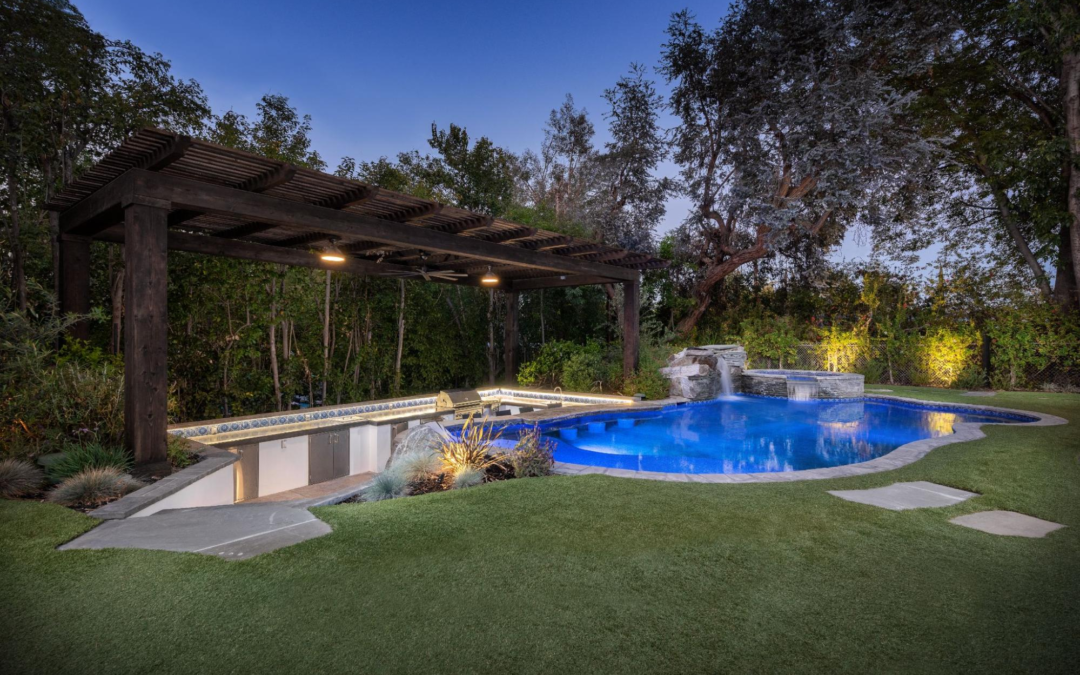
Do Luxury Pools Add Value to Homes in CA?

Do Luxury Pools Add Value to Homes in CA?

A panoramic view is only part of what distinguishes a remarkable Southern California property. Buyers in Malibu, Pacific Palisades, Hidden Hills, and Montecito often expect the exterior to carry the same level of intention as the interiors. So, do luxury pools add home value? They can, particularly when a luxury pool is designed as an integrated outdoor environment rather than an isolated backyard feature.

For a luxury homeowner, the more useful question is not whether a pool adds a fixed percentage to an appraisal. It is whether the finished space makes the home more desirable, more memorable, and more competitive within its specific market. A well-designed luxury pool can do all three. But quality, context, and design discipline determine whether it becomes an asset or an expensive mismatch.

A pool also represents a significant portion of a property’s outdoor experience. When the design is carefully integrated with the architecture, landscape, views, and outdoor living spaces, it can make the entire property feel more complete.


Do Luxury Pools Add Home Value? It Depends on the Design


A basic pool may satisfy a practical need for recreation, but a luxury pool is evaluated differently. It is part architecture, part landscape, and part hospitality space. When executed well, it gives a property a sense of completion that buyers can feel immediately.

In Southern California’s premium neighborhoods, outdoor living is not a seasonal afterthought. It is a core part of how homes are enjoyed, photographed, shown, and sold. A luxury pool that frames an ocean horizon, extends a contemporary home’s clean geometry, or creates a private resort setting beneath mature landscaping can elevate the entire property’s perceived value.

That said, not every high-cost pool improvement returns dollar for dollar at sale. Real estate value is shaped by location, lot size, neighborhood expectations, the property’s price tier, and buyer preferences at the time of sale.

A luxury pool with an extravagant feature package on a modest home in an area where pools are uncommon may have less impact than a carefully proportioned, impeccably finished pool on a comparable luxury property.

The strongest projects do not chase every available feature. They create a cohesive setting that feels native to the home and compelling to the buyer most likely to purchase it.


Why a Thoughtful Luxury Pool Can Strengthen Property Appeal


A pool’s contribution to value often begins with emotional response. Buyers may not assign a separate line-item value to a vanishing edge, a sculptural fire feature, or a spa that appears to meet the water’s surface. Yet those moments influence how they perceive the property as a whole.

A striking exterior can make a home feel rarer, more finished, and more worthy of its asking price. A thoughtfully designed luxury pool can become one of the first things a prospective buyer remembers after viewing the property.

This matters because luxury real estate is not bought solely through spreadsheets. It is bought through confidence, aspiration, and the belief that a home offers an experience unavailable elsewhere. A fully realized outdoor environment gives prospective buyers a ready-made vision of evenings with family, effortless entertaining, quiet mornings, and weekends spent at home rather than away from it.

A well-designed luxury pool can also make better use of the land. On large estates, it can organize a broad backyard into purposeful zones for dining, lounging, wellness, and conversation. On tighter hillside or coastal lots, a carefully engineered pool can turn a difficult grade or underused terrace into the property’s defining feature.

The result is not simply more amenity. It is more usable and more beautiful outdoor living space.


What Makes a Luxury Pool More Appealing to Buyers?


The highest-value pool environments tend to feel composed rather than overloaded. Water, hardscape, planting, lighting, and architecture should share a common visual language.

Natural stone may echo the home’s façade. The pool’s lines may direct attention toward a canyon, garden, or coastal view. Landscaping may frame the water without overwhelming it. Even the equipment should be planned discreetly so the experience remains serene.

A luxury pool should also feel proportional to the property. The size, shape, and features should make sense within the available space rather than existing simply to make a visual statement.

This relationship between the pool and the property is especially important in luxury homes. Buyers are often looking for a finished environment rather than a collection of individual amenities.


Features Buyers May Notice Most


Certain features can strengthen buyer appeal when they fit the site and the home’s architecture. An infinity edge is particularly powerful where it can visually merge with a distant horizon. A spa adds year-round comfort and broadens the space’s appeal beyond warm-weather swimming.

Integrated Baja shelves, shaded cabanas, outdoor kitchens, and fire features can support the entertaining lifestyle many Southern California buyers seek. Carefully integrated landscape lighting can also extend the experience into the evening.

However, a luxury pool does not need every possible feature. Too many competing elements can actually weaken the overall design. The strongest approach is usually to select features that support the way the property will be used and that complement its architecture and landscape.

Automation is less visible, but no less valuable to a discerning owner. Intuitive controls for water temperature, lighting, filtration, spa functions, and landscape features reduce the friction of ownership.

Luxury should feel effortless. A beautiful luxury pool that is difficult to operate or unnecessarily complicated to maintain can undermine the very experience it was intended to create.


Added Value Is About More Than Construction Quality


Pool construction is a significant investment, especially where a property requires structural engineering, hillside work, complex drainage, premium finishes, or extensive hardscape integration.

Homeowners should be realistic: a custom luxury pool is not a guaranteed financial instrument, and the resale premium may not equal the total cost of construction.

Its return is usually a blend of market value and lived value. If a homeowner intends to enjoy the property for years, the daily benefit of a private wellness and entertaining environment may be substantial. If the home may be sold sooner, the priority should shift toward broad, lasting appeal and exceptional execution.

The distinction is especially relevant in a design-forward market. Buyers can recognize when a pool was installed as an afterthought. They also recognize when every detail has been considered, from sightlines and circulation to coping materials, drainage, planting, and nighttime illumination.

A luxury pool that feels like permanent architecture is more likely to support a home’s positioning than one that reads as a decorative add-on.


Why Integration Matters for Long-Term Appeal


One of the clearest differences between an ordinary pool and a luxury pool is how well it belongs to the property.

The pool should relate to the home’s architecture rather than compete with it. Hardscape should create natural connections between the house, pool, and outdoor living areas. Landscaping should frame the water and respond to the surrounding environment.

Even details that are less immediately noticeable can affect the finished result. Proper drainage, equipment placement, circulation, material transitions, and lighting all contribute to how polished the space feels.

When these elements are considered together, the pool becomes part of the property’s overall design language.

This type of integration can make a luxury pool feel more permanent, more intentional, and more appropriate for a high-end home.


Avoid Overpersonalizing the Pool


Personal expression belongs in a custom project, but it should be balanced with restraint when resale matters. Highly specific mosaics, unusual color selections, oversized slides, or an abundance of disconnected features can narrow the buyer pool.

The goal is not to make the backyard anonymous. It is to create a distinctive environment with enduring taste.

Timeless materials and proportionate design usually travel well. Warm natural stone, refined tile, layered planting, balanced water features, and thoughtfully integrated lighting have a longer visual life than trend-driven statements.

So do pool forms that respect the architecture rather than compete with it.

A luxury pool can still have personality without relying on highly specific design decisions that may feel dated or limiting to a future homeowner.


Use Design Visualization Before Construction


A skilled design process helps clarify these choices before construction begins. With detailed 3D visualization and site-aware planning, homeowners can see how water, terraces, fire elements, furnishings, and planting will relate to the home from key interior and exterior viewpoints.

This is particularly valuable for a luxury pool because small changes in proportion, alignment, material, or placement can significantly affect the finished composition.

Visualization can also help homeowners understand how the pool will interact with the landscape and architecture before construction begins. This can reduce costly revisions and help ensure the project feels intentional from every angle.

The result is a clearer design direction and greater confidence before materials are installed and construction is underway.


Location and Buyer Expectations Matter


In many Southern California luxury markets, a pool is not merely desirable. It may be part of the expected lifestyle package. A buyer comparing similarly priced homes may favor the property with a completed pool, spa, outdoor kitchen, and inviting lounge areas because it avoids the time, disruption, and uncertainty of building after closing.

That convenience can be meaningful. Custom pool construction involves design decisions, permitting, engineering, excavation, finish selection, and careful coordination across multiple trades. A buyer may gladly pay more for a property where those complexities have already been addressed at a high standard.

A luxury pool can be particularly compelling in markets where indoor and outdoor living are closely connected. In areas such as Malibu, Pacific Palisades, Montecito, and other premium Southern California communities, the backyard can function as an extension of the home’s primary living space.

Climate reinforces the appeal. Southern California’s long outdoor season makes a pool environment usable far beyond peak summer months, especially when a spa, fire feature, shade structure, and radiant warmth extend its comfort.

However, exposure matters. A wind-prone hillside, heavily shaded lot, or property with limited backyard privacy calls for a different solution than a sunny estate with expansive views.

This is why copying a neighboring pool is rarely the right strategy. The best value is created when the design responds precisely to the lot, the architecture, and the lifestyle the property can authentically offer.


Design for the Home and Its Setting


Before moving forward, homeowners should consider the property’s likely buyer, neighborhood standard, and long-term ownership plan.

A contemporary estate may call for crisp geometry, an elevated spa, and understated water details. A Mediterranean or coastal residence may benefit from softer forms, textured stone, and garden-forward planting. Neither approach is inherently more valuable. The alignment is what matters.

A luxury pool should feel as though it was designed specifically for the property rather than selected from a catalog of features.

That means considering views, grade, privacy, architecture, landscaping, circulation, and outdoor living together. When the design responds to these conditions, the pool can enhance characteristics that already make the property special.


Build for Quality, Not Just Appearance


Construction quality is equally decisive. Beautiful renderings cannot compensate for poor hydraulics, inferior waterproofing, uneven finishes, or neglected equipment planning.

Sophisticated buyers and their inspectors look beyond the surface. Meticulous engineering, reliable systems, durable materials, and hands-on supervision protect both enjoyment and future marketability.

This is another reason a luxury pool should be approached as a complete project rather than a collection of visual upgrades. The systems beneath the surface matter just as much as the elements that immediately catch the eye.

Properly planned equipment, circulation, drainage, structural work, and materials can support the pool’s performance for years while helping preserve the quality of the overall outdoor environment.

A luxury pool should look exceptional, but it should also function exceptionally.


Consider the Value of the Complete Outdoor Environment


At Fluidity, the most successful outdoor environments begin with a clear understanding of how a client wants to live and how the property should be experienced.

The pool becomes one element of a larger composition: a place for movement, restoration, celebration, and quiet retreat. Outdoor kitchens, fire features, landscaping, lighting, spas, and gathering areas can all contribute to that experience when they are planned as part of the same vision.

Rather than asking whether one pool feature will increase a home’s value, it can be more useful to ask whether the entire outdoor environment feels complete, functional, and worthy of the property.

That is where a well-designed luxury pool can have the greatest impact.


Can a Luxury Pool Be a Worthwhile Investment?


A luxury pool adds its greatest value when it makes a home feel more complete and desirable without compromising the property’s character.

There is no universal formula for determining how much value a pool will add to a specific California home. Location, buyer expectations, design quality, construction, and the relationship between the pool and the property all matter.

For homeowners who plan to enjoy their property for years, a luxury pool can provide significant lifestyle value while also strengthening the overall appeal of the home when it is eventually placed on the market.

The strongest projects are not designed solely around resale. They are designed to create an exceptional place to live, with the long-term market appeal becoming a natural result of thoughtful planning and quality execution.


Ready to Design an Outdoor Environment That Lasts?


If you’re considering a custom luxury pool or a complete outdoor transformation, Fluidity approaches every project with a design-first mindset focused on timeless architecture, thoughtful craftsmanship, and exceptional outdoor living.

Contact us to start the conversation.

Ryan Clow, Owner
Fluidity Pool Designs
805-669-1200
[email protected]

Dive Into More Design Ideas

How Long Does It Take to Build a Pool? A Complete Timeline

How Long Does It Take to Build a Pool? A Complete Timeline

How long does it take to build a pool? It is one of the first questions homeowners ask when they begin planning a new pool. Understanding the pool construction timeline can help you know what to expect from the initial consultation through the final walkthrough. A...

How to Choose the Right Pool Lighting for Your Backyard

How to Choose the Right Pool Lighting for Your Backyard

Your pool doesn’t disappear when the sun goes down. In fact, the right pool lighting can completely transform how your backyard looks and feels at night. Thoughtfully placed lights can highlight architectural details, improve safety, create a relaxing atmosphere, and...

9 Pool Features That Can Transform Your Backyard

9 Pool Features That Can Transform Your Backyard

The right pool features can transform a backyard from a place to swim into a complete outdoor environment. The best features are not simply added for appearance. They can improve how you use the pool, create a stronger connection between the pool and surrounding...