
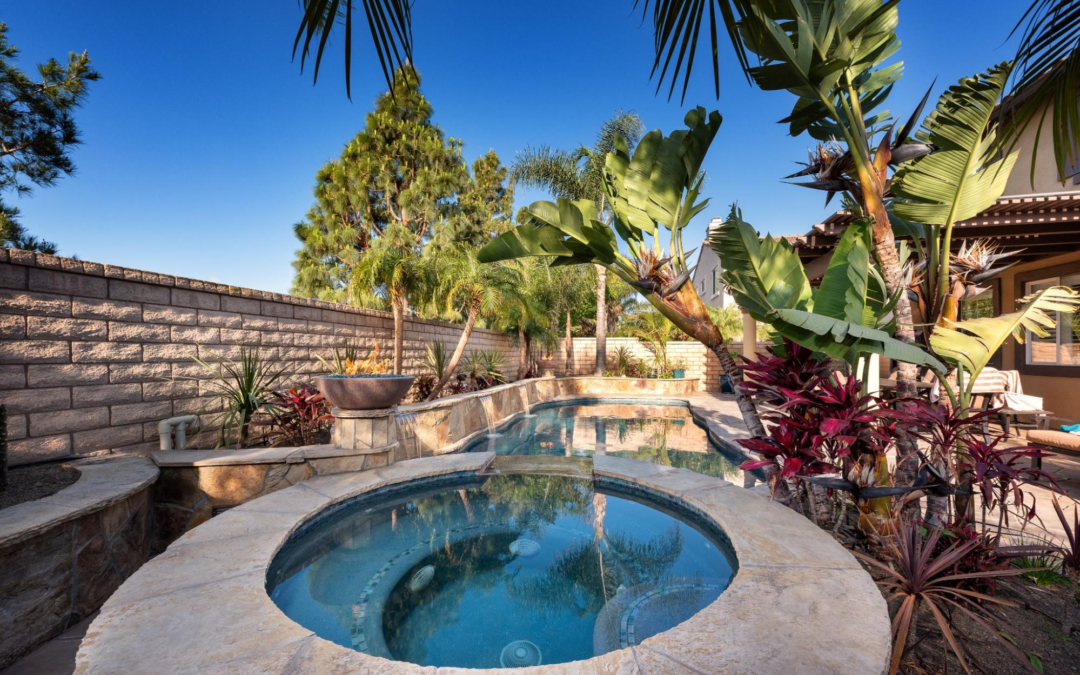
Building a pool starts long before the first shovel hits the ground.
What happens before construction begins can have just as much impact on the final result as the construction itself. From understanding the property to developing the design, coordinating engineering, and securing approvals, every stage of pool pre-construction helps set the project up for success.
A well-planned pool should feel like it belongs on the property. That means considering the architecture, existing landscape, elevations, access, materials, utilities, and the way the space will ultimately be used.
So, what actually happens before a pool is built?
Here is a look at the complete pool pre-construction process and the steps that help turn an initial idea into a clear construction plan.
1. Understanding the Property
Every pool project starts with the property itself.
Before a design can be finalized, the site needs to be evaluated for factors that may influence the pool’s location, shape, and construction.
- Property dimensions
- Existing structures
- Changes in elevation
- Landscape and hardscape
- Access to the construction area
- Existing utilities and drainage
This initial evaluation is one of the most important parts of pool pre-construction because the site ultimately determines what is possible.
A thoughtful design works with the property rather than trying to force a predetermined pool into the space. Understanding the site early also helps the design team identify potential challenges before they affect construction.
2. Defining How the Pool Will Be Used
The next step is understanding what the pool needs to accomplish.
Some homeowners want a pool primarily for swimming and exercise. Others envision a space for entertaining, relaxing, gathering with family, or creating a visual centerpiece for the backyard.
These priorities influence everything from the pool’s dimensions to the surrounding outdoor living areas.
During pool pre-construction, it is helpful to consider:
- How many people will typically use the pool
- Whether entertaining is a priority
- Whether a spa or tanning ledge is desired
- How the pool connects to outdoor living spaces
- How the backyard should feel at different times of day
Defining these goals early makes it easier to create a design that feels personal rather than generic. It also gives the pool pre-construction process a clear direction from the beginning.
3. Developing the Pool Design
Once the property and priorities are understood, the design begins to take shape.
This is where the pool’s proportions, geometry, elevations, water features, coping, decking, and surrounding spaces are carefully considered.
The design should also respond to the architecture of the home. A modern residence may call for clean geometry and minimal detailing, while a more traditional property may benefit from softer forms and natural materials.
During pool pre-construction, the goal is to create a design that feels connected to the entire property.
The design process also provides an opportunity to identify details that may be difficult or costly to change once construction has begun. Resolving those decisions early helps create a smoother transition into the building phase.
4. Creating Plans and Visualizations
Seeing the design before construction begins can make a major difference.
Detailed plans and 3D visualizations can help homeowners understand how the pool will relate to the home, landscaping, outdoor rooms, and surrounding property.
These tools can help clarify:
- Pool placement
- Scale and proportions
- Elevation changes
- Material transitions
- Water features
- Outdoor living areas
Rather than relying entirely on imagination, homeowners can review the proposed environment and make informed decisions before construction begins.
This is a key advantage of a thorough pool pre-construction process. Visualizing the finished space early allows design details to be refined while there is still flexibility to make changes.
5. Coordinating Engineering and Technical Requirements
A beautiful pool still needs to work properly.
Engineering and technical planning help determine how the pool will be constructed and how its systems will operate.
Depending on the property and design, this can involve structural considerations, grading, drainage, hydraulics, equipment placement, and other technical requirements.
These details are often hidden once the project is complete, but they play an important role in the performance and longevity of the finished pool.
Good pool pre-construction brings these considerations into the design process instead of treating them as an afterthought.
6. Selecting Materials and Finishes
Material selection is another important part of preparing for construction.
The pool finish, tile, coping, decking, stone, and surrounding materials should work together visually and functionally.
Selections may include:
- Interior pool finishes
- Glass or porcelain tile
- Natural stone
- Concrete or other decking materials
- Coping details
- Custom accent materials
Material decisions can also influence how the water looks throughout the day. Light, texture, color, and surrounding finishes all contribute to the final atmosphere.
Making these decisions during pool pre-construction helps ensure the materials are incorporated intentionally into the overall design. It also allows the construction team to account for important details before work begins.
7. Reviewing Permits and Local Requirements
Before construction can begin, the appropriate permits and approvals need to be addressed.
Requirements vary depending on the location, property, and scope of the project. Local regulations may affect setbacks, drainage, safety requirements, grading, structural details, and other aspects of the design.
Understanding these requirements early can help prevent unnecessary delays later.
A professional pool design and construction team can help coordinate the documentation and approvals needed for the project as part of the pool pre-construction process.
8. Planning Construction Access and Logistics
One of the most overlooked parts of pool pre-construction is figuring out how everything will actually get to the backyard.
Construction access can be especially important on properties with narrow side yards, steep slopes, limited street access, or existing structures that need to be protected.
The construction team may need to plan for:
- Equipment access
- Material delivery
- Excavation and soil removal
- Protection of existing landscaping
- Temporary construction areas
- Coordination with other trades
Planning these logistics before construction starts can make the building process more organized and help protect the surrounding property.
Addressing access during pool pre-construction also helps the team understand how materials, equipment, and crews will move through the site before work begins.
9. Finalizing the Construction Plan
Before excavation begins, the major design and construction details should be reviewed and coordinated.
This is the point where the vision becomes a clear roadmap for the project.
The final pool pre-construction plan may bring together:
- Approved designs and plans
- Engineering requirements
- Material selections
- Equipment specifications
- Construction logistics
- Permit requirements
Taking the time to coordinate these details before breaking ground helps reduce surprises and creates a stronger foundation for the construction phase.
A complete pool pre-construction plan gives everyone involved a shared understanding of the design, technical requirements, and logistics before construction begins.
Why Pool Pre-Construction Matters
The pool pre-construction phase may not be the most visible part of building a pool, but it is where many of the most important decisions are made.
Good pool pre-construction connects the creative vision with the technical realities of the property. It gives the design team an opportunity to identify challenges, refine details, coordinate requirements, and create a plan that can be executed successfully.
For complex or highly customized pools, this preparation becomes even more important. The more integrated the design, the more valuable it is to resolve details before construction begins.
Final Thoughts
A successful pool project does not begin with excavation. It begins with understanding.
From evaluating the property and defining how the space will be used to developing plans, selecting materials, coordinating engineering, reviewing permits, and planning construction access, every stage of pool pre-construction contributes to the finished result.
When the planning is thorough, construction becomes more than simply building a pool. It becomes the process of bringing a carefully considered outdoor environment to life.
At Fluidity Pool Designs, we approach every project with thoughtful planning and attention to detail, creating pools and outdoor spaces designed specifically for the property, the architecture, and the people who will enjoy them.
Ryan Clow, Owner
Fluidity Pool Designs
805-669-1200
[email protected]
Dive Into More Design Ideas
How Long Does It Take to Build a Pool? A Complete Timeline
How long does it take to build a pool? It is one of the first questions homeowners ask when they begin planning a new pool. Understanding the pool construction timeline can help you know what to expect from the initial consultation through the final walkthrough. A...
How to Choose the Right Pool Lighting for Your Backyard
Your pool doesn’t disappear when the sun goes down. In fact, the right pool lighting can completely transform how your backyard looks and feels at night. Thoughtfully placed lights can highlight architectural details, improve safety, create a relaxing atmosphere, and...
9 Pool Features That Can Transform Your Backyard
The right pool features can transform a backyard from a place to swim into a complete outdoor environment. The best features are not simply added for appearance. They can improve how you use the pool, create a stronger connection between the pool and surrounding...