
How long does it take to build a pool? It is one of the first questions homeowners ask when they begin planning a new pool. Understanding the pool construction timeline can help you know what to expect from the initial consultation through the final walkthrough. A...
How to Design Seamless Indoor–Outdoor Living Spaces
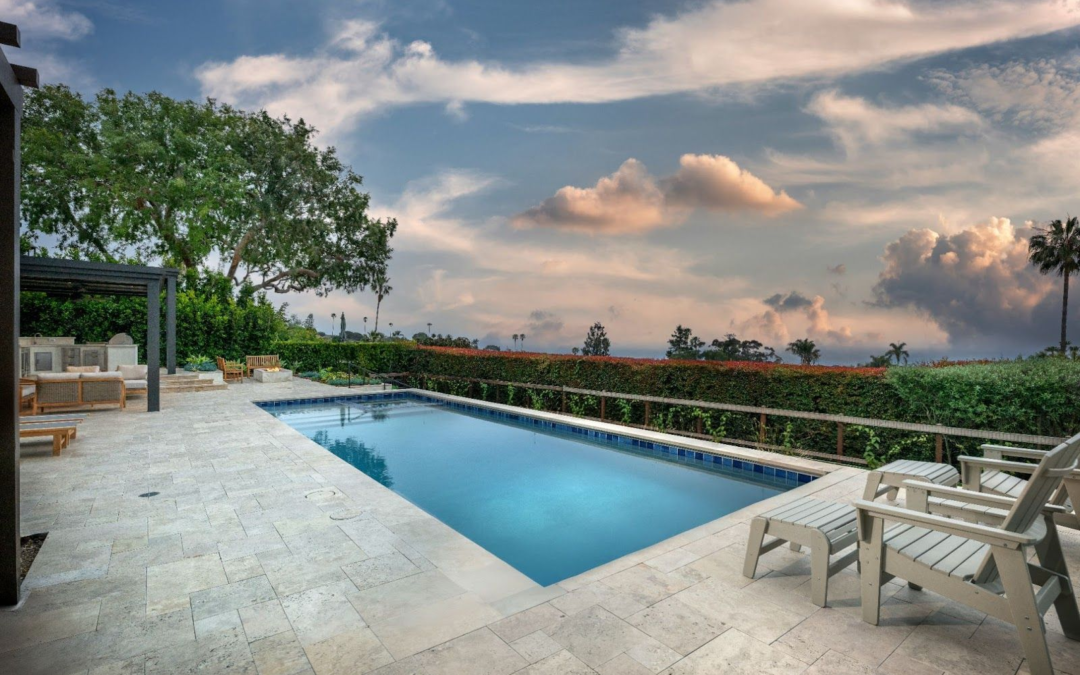
Creating a true outdoor living experience isn’t about adding a pool and patio—it’s about designing a space that feels like a natural extension of your home. When done right, there’s no clear line where the indoors end and the outdoors begin. Everything flows.
At Fluidity Pool Designs, this is one of the most important principles we bring into every project. Thoughtful outdoor living design considers architecture, landscape, circulation, views, materials, lighting, and the way a family actually uses the property. Here’s how to design it the right way.
For Southern California homeowners, outdoor living is more than an occasional luxury. With a climate that encourages time outside throughout much of the year, the backyard can become another room of the home. The right design makes that room feel intentional, comfortable, and connected to everything around it.
1. Start With Flow, Not Features
Most people begin with “I want a pool, a fire pit, and a kitchen.” That’s backwards.
Start with:
- How people will move through the space
- Where sightlines land from inside the home
- How each area connects
A well-designed outdoor living space should feel intuitive—like it was always meant to be there. Before choosing individual features, consider how the entire property will function from morning through evening. The best outdoor living environments create natural connections between cooking, dining, swimming, relaxing, and entertaining.
Flow also helps determine where major features belong. A pool positioned directly outside a main living area may create a stronger visual connection than one placed farther into the yard. An outdoor kitchen may work best near the home for convenience, while a lounge or fire area can create a quieter destination farther from the house.
2. Align Elevations and Transitions
One of the biggest mistakes we see is poor elevation planning.
To create seamless outdoor living:
- Match interior floor height to exterior decking when possible
- Use wide, gradual transitions instead of steps
- Keep thresholds clean and minimal
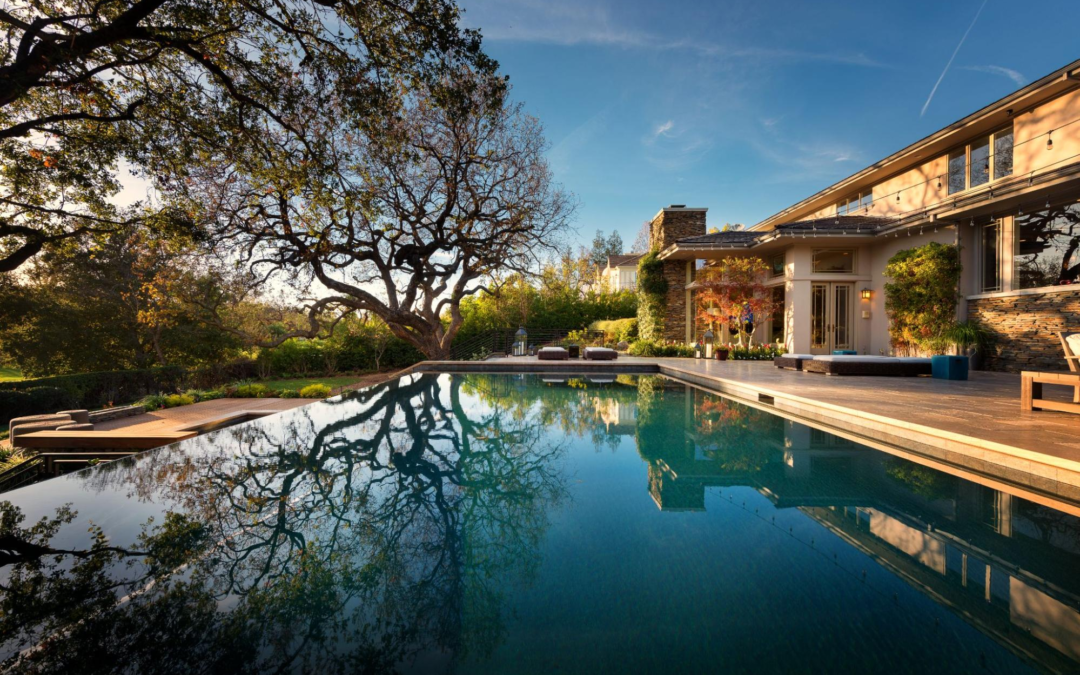
The goal is to eliminate physical and visual barriers. When elevations are planned carefully, the transition from interior rooms to outdoor living areas feels almost effortless. This is especially important when large glass doors or expansive openings connect the home to the backyard.
Elevation planning also becomes increasingly important on sloped properties. Rather than treating changes in grade as an obstacle, a thoughtful design can use them to create distinct levels for dining, lounging, entertaining, and swimming while maintaining a strong visual relationship between each space.
3. Carry Materials From Inside to Outside
Consistency in materials is key.
Examples:
- Extend flooring tones from interior to exterior
- Use similar stone, tile, or textures
- Keep color palettes cohesive
This creates a unified look that visually expands your living space. Material continuity is one of the simplest ways to make outdoor living feel like a genuine extension of the architecture rather than a separate backyard installation.
That does not mean every surface needs to be identical. Instead, look for relationships in tone, texture, scale, and finish. A natural stone used inside might inspire an exterior paving material with a similar color family, while wood accents can be repeated through doors, pergolas, furniture, or architectural details.
In luxury outdoor living design, restraint often creates a more sophisticated result than introducing a new material at every turn.
4. Design Around Views
Your outdoor space should frame what matters most.
From inside your home:
- What do you see first?
- Where does your eye land?
A well-placed pool, water feature, or fire element can act as a focal point that pulls the entire space together. The view should be considered from multiple perspectives, including the kitchen, living room, primary bedroom, dining area, and outdoor seating.
For properties with ocean, canyon, hillside, or landscaped views, this becomes even more important. The design should enhance the existing setting rather than compete with it. In some cases, the best outdoor living design is the one that frames the landscape so naturally that the architecture seems to disappear.
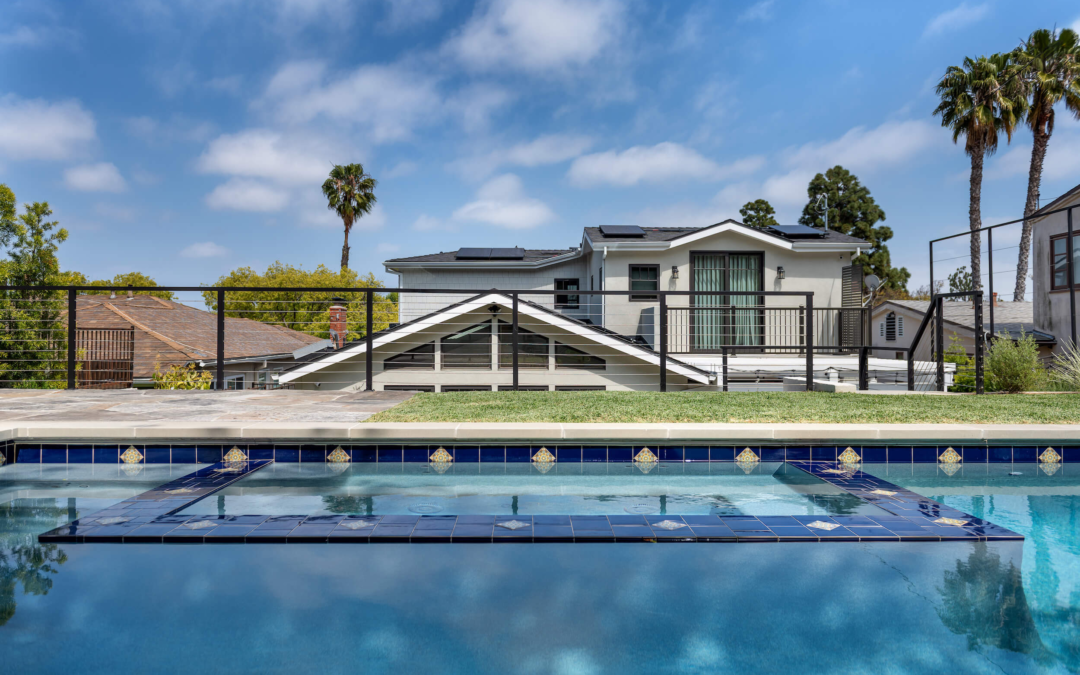
5. Integrate the Pool as Architecture
The pool shouldn’t feel like an add-on.
In high-end outdoor living design:
- The pool is part of the structure
- It aligns with the home’s geometry
- It reinforces the overall layout
This is where most designs fall short—and where proper planning makes all the difference.
A pool can become one of the strongest architectural elements of the property when its proportions, orientation, materials, and surrounding hardscape are considered alongside the home. The waterline, coping, decking, steps, and surrounding landscape should all contribute to one cohesive composition.
This approach also creates a stronger foundation for outdoor living. When the pool is integrated into the overall architecture, it can naturally connect to dining terraces, lounge areas, fire features, and outdoor kitchens instead of sitting apart from them.
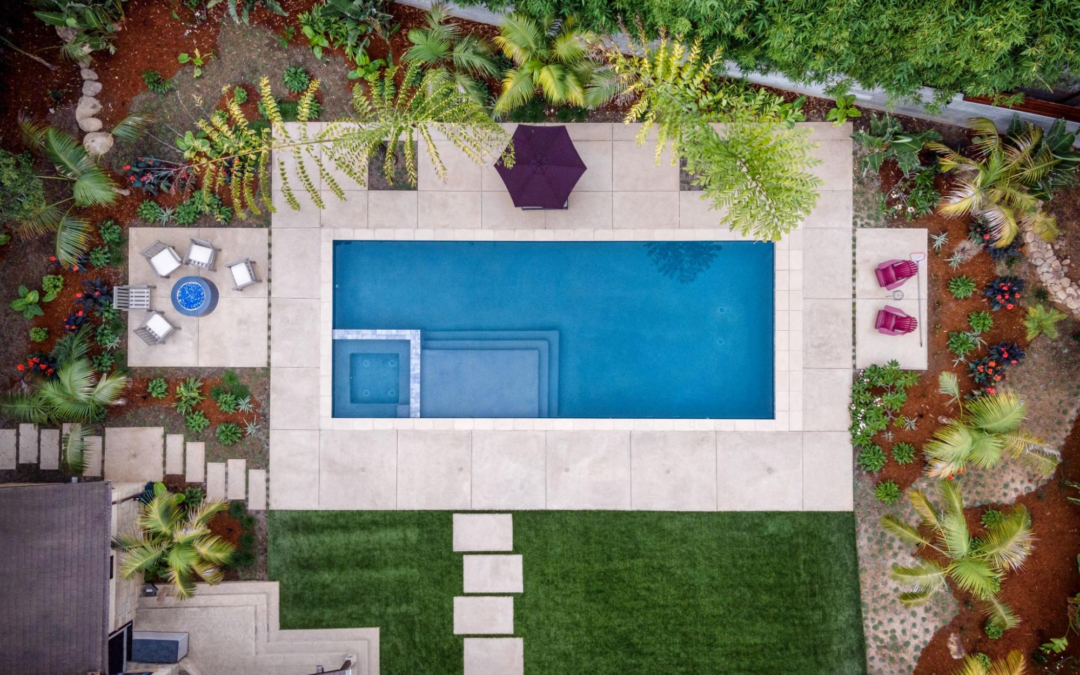
6. Think in Zones
Break the space into functional areas:
- Dining
- Lounge
- Water
- Fire
- Circulation paths
Each zone should feel connected but distinct. The transitions between them matter just as much as the zones themselves.
A successful outdoor living plan gives every area a purpose. Dining should have enough room for comfortable movement around the table. Lounge areas should feel inviting without blocking circulation. Pool zones should allow people to move safely between the water, seating, and other parts of the yard.
Consider how these zones will work at different times of day, too. A shaded breakfast area may be ideal in the morning, while a fire feature and lounge area can become the center of outdoor living after sunset. Designing for these shifts creates a backyard that feels useful rather than decorative.
7. Plan Lighting Early
Lighting is often an afterthought—but it shouldn’t be.
To elevate outdoor living:
- Layer ambient, task, and accent lighting
- Highlight architectural elements
- Illuminate pathways and transitions
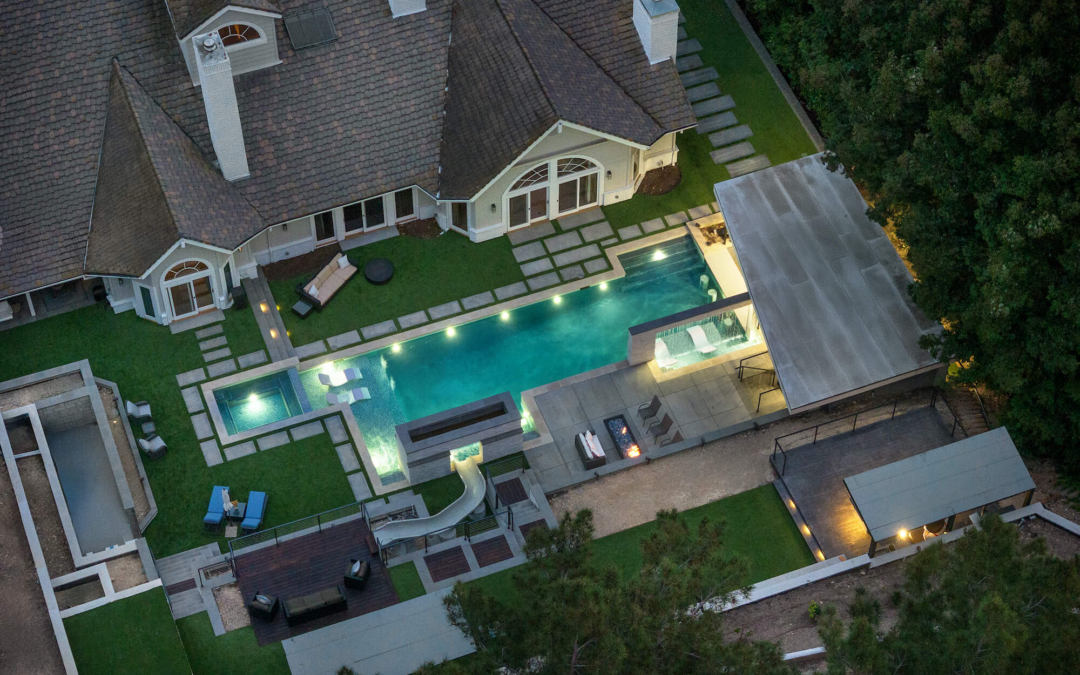
Good lighting extends usability and completely changes how the space feels at night. It can draw attention to architectural details, illuminate a pool or water feature, create a comfortable dining environment, and make circulation paths easier to navigate.
The goal is not to make the backyard as bright as possible. Effective outdoor lighting creates depth and atmosphere while allowing certain areas to recede into shadow. When lighting is integrated during the design process, fixtures can be positioned strategically and concealed where appropriate.
For outdoor living spaces designed around entertaining, lighting should also respond to how the property is used. Cooking areas need practical task lighting, while lounge and pool areas may benefit from softer illumination.
8. Don’t Ignore Mechanical Planning
Behind every great outdoor space is a well-designed system.
This includes:
- Equipment placement (hidden but accessible)
- Proper drainage
- Efficient hydraulics
- Noise control
These details aren’t visible—but they determine how the space performs long term. Mechanical planning should happen alongside the design rather than after the aesthetic decisions have already been made.
This is particularly important for larger outdoor living projects with pools, spas, water features, outdoor kitchens, fire elements, lighting, and automation. Every system needs adequate infrastructure, and thoughtful planning can prevent equipment from disrupting the finished environment.
Good drainage is equally important. Water should move away from the home and occupied areas without creating awkward grading or visible infrastructure. Equipment should remain accessible for service while being positioned so it does not interfere with the experience of the backyard.
Design for Comfort in Every Season
Beautiful outdoor living should also be comfortable. Southern California weather makes outdoor spaces usable for much of the year, but sun exposure, wind, temperature changes, and evening conditions still influence how often a space gets used.
Shade can come from architectural overhangs, pergolas, umbrellas, mature landscaping, or carefully positioned structures. Heating elements, fire features, and outdoor fireplaces can extend the evening experience when temperatures drop.
The most successful outdoor living designs layer these comfort features into the architecture instead of treating them as temporary additions. A shaded dining area can become part of the home’s visual language, while a fire feature can serve as both an architectural focal point and a source of warmth.
Make Outdoor Living Feel Like Home
The final step is personalization. A backyard should reflect the people who live there, not simply replicate a collection of popular luxury features.
Think about how you naturally spend your time. Do you prefer long dinners with friends, quiet mornings by the pool, evening gatherings around a fire, or weekends spent cooking outdoors? Those habits should influence the layout, furniture, lighting, pool design, and amenities.
When outdoor living is designed around real behavior, the result feels more personal and more valuable. The backyard becomes a setting for everyday routines as well as special occasions.
Final Thoughts
True outdoor living isn’t about adding more—it’s about designing smarter.
When everything flows—from the interior to the exterior, from one zone to the next—you don’t just get a backyard. You get a complete living environment.
The strongest outdoor living spaces balance beauty with function. They consider architecture, circulation, views, materials, lighting, comfort, and mechanical systems from the beginning so every decision supports the next.
At Fluidity Pool Designs, we focus on creating spaces that feel intentional, functional, and built to last. Our approach to outdoor living brings together thoughtful planning and custom pool design to create environments that feel connected to the home and natural to the way you live.
Ryan Clow, Owner
Fluidity Pool Designs
(805) 669-1200
[email protected]
Dive Into More Design Ideas
How Long Does It Take to Build a Pool? A Complete Timeline
How to Choose the Right Pool Lighting for Your Backyard
Your pool doesn’t disappear when the sun goes down. In fact, the right pool lighting can completely transform how your backyard looks and feels at night. Thoughtfully placed lights can highlight architectural details, improve safety, create a relaxing atmosphere, and...
9 Pool Features That Can Transform Your Backyard
The right pool features can transform a backyard from a place to swim into a complete outdoor environment. The best features are not simply added for appearance. They can improve how you use the pool, create a stronger connection between the pool and surrounding...
Recent Comments