
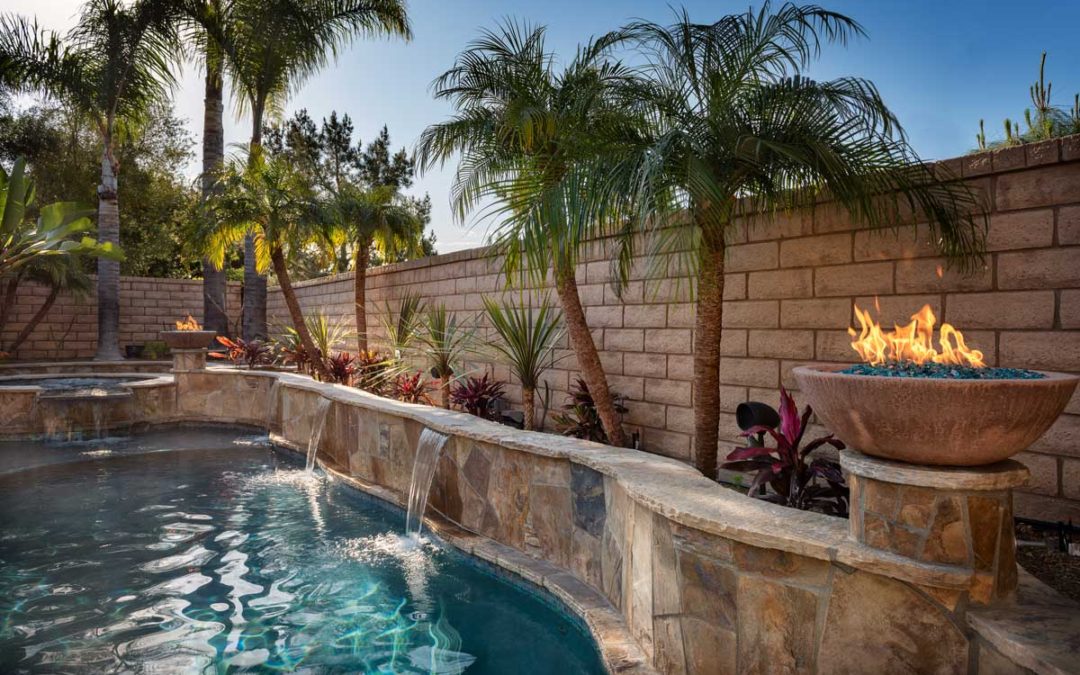
Thousand Oaks pool design should begin with the property itself. From warm summers and varied lot sizes to hillside terrain, surrounding views, and established landscaping, the Conejo Valley presents a range of conditions that can shape how a pool and outdoor living space come together.
A successful pool should do more than fit within the available space. It should complement the architecture of the home, respond to the landscape, and support the way the space will actually be used. Here are some of the most important considerations when planning a Thousand Oaks pool design.
1. Start With the Property
Every property has its own opportunities and limitations. Lot size, existing structures, elevation changes, sun exposure, drainage, landscaping, and the location of the home can all influence where a pool should be placed.
A thoughtful Thousand Oaks pool design starts by understanding these conditions before determining the shape or size of the pool. A larger property may allow for an expansive pool, separate spa, outdoor kitchen, or multiple entertaining areas, while a more compact backyard may benefit from a simpler layout that makes every part of the space feel intentional.
The goal is to create a design that works with the property rather than forcing the property to accommodate a predetermined concept.
2. Design Around the Architecture
The pool should feel connected to the home. Its proportions, geometry, materials, and surrounding hardscape can all influence how seamlessly the backyard relates to the architecture.
For a modern home, clean lines and carefully aligned edges may create a natural connection between the structure and pool. A Mediterranean, Spanish, or more traditional home may call for softer shapes, natural materials, or details that complement the existing architecture.
Thousand Oaks pool design is most successful when the pool feels like part of the overall property rather than an isolated feature in the backyard.
3. Take Advantage of Views and Elevation
Some Thousand Oaks properties offer views toward surrounding hills and open landscapes. Elevation changes can also create opportunities to make the pool a stronger visual connection between the home and its surroundings.
Depending on the property, an infinity edge, raised spa, or carefully positioned pool can help emphasize a view while giving the backyard a stronger sense of depth.
However, elevation also brings practical considerations. Slope, drainage, retaining structures, soil conditions, and engineering may all affect the design and construction process. These factors should be evaluated early rather than treated as an afterthought.
4. Consider How the Pool Will Be Used
The best pool design reflects the people who will use it. A family may want shallow areas for younger swimmers, while another household may prioritize swimming laps, entertaining guests, or creating a quiet place to relax.
A Thousand Oaks pool design can incorporate features around these specific needs. Baja shelves, integrated spas, swim lanes, wide steps, tanning ledges, and comfortable seating areas can each serve a different purpose.
Before adding features, think about how you want to spend time in the backyard. The layout should support those activities naturally without making the design feel overcrowded.
5. Create a Complete Outdoor Living Space
A pool is often only one part of a larger outdoor environment. Patios, dining areas, outdoor kitchens, fire features, lounge spaces, and landscaping can all influence how the finished backyard feels and functions.
Rather than designing the pool first and fitting everything else around it, consider the backyard as one connected space. Circulation between the home, pool, kitchen, and seating areas should feel intuitive.
Fluidity’s approach to seamless indoor-outdoor living spaces considers how these areas can work together to create a cohesive extension of the home.
A well-planned Thousand Oaks pool design can make the entire backyard more useful, not simply add a place to swim.
6. Choose Materials for the Conejo Valley Climate
Material selection has both visual and practical implications. Pool tile, coping, decking, stone, plaster, and other finishes should complement the home while also performing well in the local climate.
Thousand Oaks experiences warm, dry summers, which means outdoor materials need to be considered for prolonged sun exposure and heat. Pool decks should remain comfortable and functional, while finishes should be selected with durability and long-term maintenance in mind.
A cohesive material palette can also help connect the pool to the surrounding landscape. Natural stone, warm tones, contemporary finishes, or more traditional materials can each create a different relationship between the pool and home.
7. Plan for Privacy and Landscaping
Privacy can play an important role in the experience of a backyard pool. Existing trees, hedges, walls, fencing, and the positioning of neighboring homes can all influence how private a pool feels.
Landscaping can be used to soften hardscape, frame views, define different areas, and create separation without making the backyard feel enclosed.
In a Thousand Oaks pool design, landscaping should be considered alongside the pool rather than added after construction. This allows planting areas, pathways, privacy elements, and other landscape features to feel integrated with the overall layout.
8. Think About Pool Features Before Construction
Features such as integrated spas, fire bowls, water features, lighting, automation, and heating can change both the appearance and functionality of a pool. Planning them early gives the design and construction team an opportunity to coordinate the necessary plumbing, electrical, equipment, and structural requirements.
For example, fire features can extend the visual appeal of the pool into the evening, while automation can make it easier to manage heating, filtration, lighting, and water features.
The right features depend on the property and how you plan to use the space. A considered Thousand Oaks pool design does not need every possible upgrade. It needs the features that contribute to the experience you want to create.
9. Consider Equipment and Maintenance From the Beginning
Pool equipment is an important part of the planning process, even though it may not be the most visible element of the finished design. Pumps, filters, heaters, automation systems, and water management equipment all need appropriate space and access.
Equipment placement can affect plumbing runs, electrical requirements, noise, maintenance access, and the appearance of surrounding areas. Planning these details alongside the pool can help prevent compromises later in construction.
Modern equipment and automation can also improve efficiency and simplify everyday pool management. Variable-speed pumps, smart controls, heating systems, and other technologies can be selected based on the pool’s size, features, and expected use.
10. Plan Around Local Requirements
Thousand Oaks pool design also needs to account for local permitting and property requirements. Depending on the site, a project may involve engineering, grading, drainage considerations, safety requirements, inspections, or HOA approval.
Addressing these requirements early can help prevent unnecessary changes once the design is underway. It also gives the project team a clearer understanding of what can be built and how the property should be approached.
Fluidity’s Thousand Oaks pool design and construction services account for local conditions, permitting, engineering, HOA requirements, and the construction process from concept through completion.
Bring the Whole Property Together
The most successful Thousand Oaks pool design considers more than the pool itself. The architecture, landscape, views, outdoor living areas, materials, equipment, and everyday use should all contribute to one cohesive environment.
With the right planning, a pool can become a natural extension of the home and a meaningful part of the way you use your property. Whether the goal is a quiet retreat, a space for entertaining, or a complete outdoor living environment, the design should be tailored to the property and the people who will enjoy it.
For more inspiration, explore Fluidity’s luxury pool design ideas for California homes and see how thoughtful planning can transform a backyard into a cohesive outdoor experience.
Ready to start planning your pool? Contact Fluidity Pool Designs to discuss your Thousand Oaks property, vision, and next steps.
Ryan Clow, Owner
Fluidity Pool Designs
805-669-1200
[email protected]
Dive Into More Design Ideas
How Long Does It Take to Build a Pool? A Complete Timeline
How long does it take to build a pool? It is one of the first questions homeowners ask when they begin planning a new pool. Understanding the pool construction timeline can help you know what to expect from the initial consultation through the final walkthrough. A...
How to Choose the Right Pool Lighting for Your Backyard
Your pool doesn’t disappear when the sun goes down. In fact, the right pool lighting can completely transform how your backyard looks and feels at night. Thoughtfully placed lights can highlight architectural details, improve safety, create a relaxing atmosphere, and...
9 Pool Features That Can Transform Your Backyard
The right pool features can transform a backyard from a place to swim into a complete outdoor environment. The best features are not simply added for appearance. They can improve how you use the pool, create a stronger connection between the pool and surrounding...