
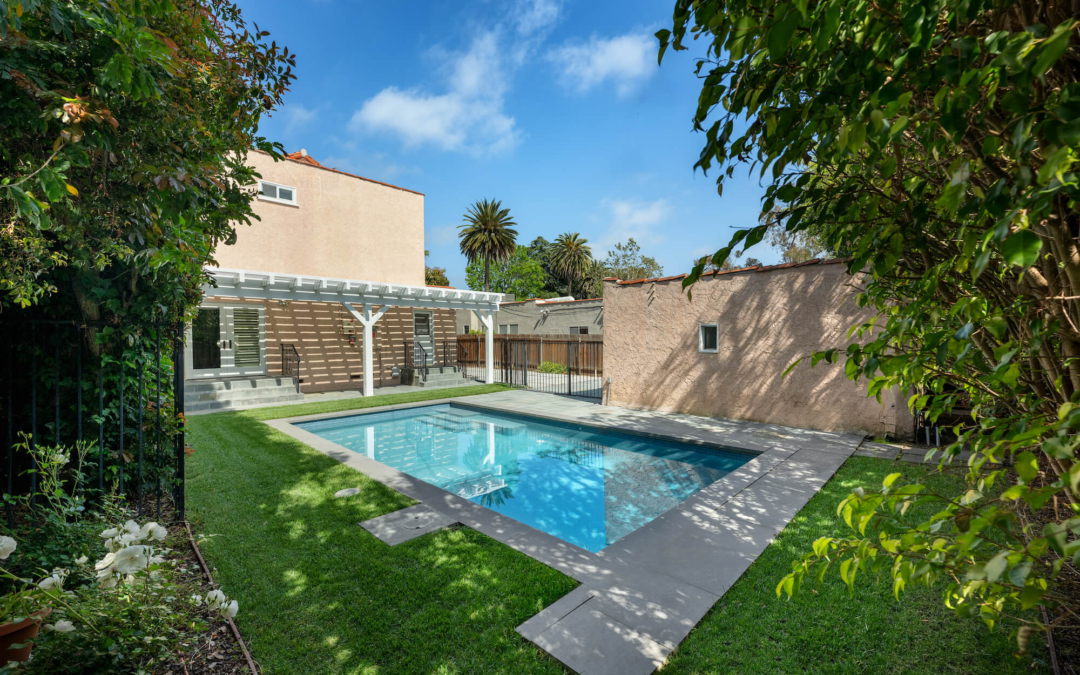
Pool planning mistakes made before construction begins can affect everything from the layout and construction process to the way your finished backyard functions. A successful pool project starts long before excavation, with careful attention to the property, design, access, equipment, and how the space will be used.
Taking time to plan these details early can help prevent costly changes later and create a pool that feels intentional from every angle. Understanding the most common pool planning mistakes can also help homeowners make better decisions before construction begins. Here are eight common pool planning mistakes to avoid before construction begins.
1. Designing Before Understanding the Property
One of the most important parts of planning a pool is understanding the property before settling on a design. The size and shape of the lot, existing structures, elevation changes, soil conditions, drainage, landscaping, sun exposure, and views can all influence where a pool should be located.
Starting with a predetermined shape or layout can make it harder to respond to these conditions. Instead, the property should help guide the design. A site evaluation can reveal opportunities and limitations that may not be obvious at first glance.
For luxury properties, this is especially important. The pool should work with the architecture, landscape, and surrounding environment rather than feeling like a separate feature added to the backyard. Failing to consider these relationships early is one of the most consequential pool planning mistakes a homeowner can make.
2. Underestimating Construction Access
Construction access is easy to overlook when the focus is on the finished pool. However, equipment, materials, excavation, concrete, plumbing, and other construction needs all have to reach the property.
Narrow driveways, gates, steep grades, landscaping, neighboring properties, and limited staging areas can make access more complicated. On hillside or canyon properties, these challenges may be even more significant.
One of the pool planning mistakes that can create unnecessary complications is waiting until construction begins to evaluate access. Reviewing the property and determining how equipment and materials will move through the site can help the team plan around limitations from the beginning.
3. Pool Planning Mistakes to Avoid Before Construction
Some of the most common pool planning mistakes happen when important decisions are made in isolation. A pool may look beautiful on its own, but the overall project also needs to account for circulation, elevations, drainage, equipment, landscaping, and the relationship between the pool and the home.
Planning these elements together can help create a more cohesive result. For example, the location of an outdoor kitchen may affect where people move around the pool, while a change in elevation may influence the pool’s relationship to the house and surrounding landscape.
Fluidity approaches luxury pool design and construction as one connected process, bringing design and construction considerations together from the beginning. This integrated approach can help identify potential pool planning mistakes before they become expensive changes in the field.
4. Waiting Too Long to Consider Permits and Requirements
Permits and local requirements should be considered during the planning stage rather than after the design is complete. Depending on the property, a pool project may involve permitting, engineering, grading, safety requirements, HOA guidelines, or other local considerations.
Waiting too long to address these requirements can lead to delays or design changes. Addressing these requirements early is one of the pool planning mistakes that can be avoided with a more thorough planning process.
This is particularly important when working with properties that have unique site conditions. Hillside lots, coastal properties, and larger estates can each bring different considerations to the planning process.
5. Choosing Materials Based Only on Appearance
Tile, coping, decking, stone, plaster, and other materials have a major impact on the finished look of a pool. But appearance should not be the only consideration when making those selections.
Choosing materials based only on appearance is another of the pool planning mistakes that can affect the finished project over time. Materials should also work with the home’s architecture, surrounding landscape, climate, sun exposure, and intended use.
A material that looks beautiful in a sample may not create the same effect when used across a large pool deck or exposed to the elements.
Thoughtful material selection is about creating a palette that feels cohesive while also considering durability and maintenance. The goal is not simply to choose attractive finishes, but to choose materials that make sense for the entire property. Considering these factors early can help prevent pool planning mistakes that may be difficult or expensive to correct later.
6. Forgetting About Equipment Placement
Pool equipment is rarely the most exciting part of a project, but it plays an important role in how the finished pool operates. Pumps, filters, heaters, automation systems, and other equipment need to be located somewhere accessible while also fitting into the overall property plan.
Forgetting about equipment placement is one of the pool planning mistakes that is much easier to address before construction begins.
Equipment placement can also affect plumbing runs, electrical requirements, noise, maintenance access, and the appearance of the surrounding space. Leaving this decision until late in the process can create limitations that could have been avoided with earlier planning.
Considering equipment alongside the pool design allows the mechanical side of the project to be resolved without compromising the finished outdoor environment. It is another simple step that can prevent unnecessary pool planning mistakes during construction.
7. Designing the Pool Without the Rest of the Backyard
A pool rarely exists on its own. The surrounding spaces often include patios, lounge areas, outdoor kitchens, dining spaces, fire features, landscaping, and pathways connecting the backyard to the home.
One of the most overlooked pool planning mistakes is designing the pool first and trying to fit everything else around it afterward. This can result in awkward circulation, disconnected spaces, or outdoor areas that feel smaller than they need to be.
Instead, consider the entire backyard as one environment. Think about where people will enter the space, where they will sit, how they will move between areas, and which views should be emphasized.
Fluidity’s guide to seamless indoor-outdoor living spaces explores how circulation, sightlines, elevations, and outdoor zones can work together as part of the larger design. Looking at the backyard as a whole can help eliminate pool planning mistakes before they affect the final layout.
8. Adding Features Without Considering How You Will Use Them
Water features, spas, fire features, tanning ledges, automation, lighting, and other upgrades can make a pool feel more personalized. But adding features simply because they are appealing can create a project that is more complicated than necessary.
Before choosing each feature, consider how your household will actually use the space. Do you want a pool designed primarily for entertaining, family time, exercise, relaxing, or a combination of these?
Thinking about these choices early can help prevent pool planning mistakes and ensure that each feature has a purpose.
The answer can help determine which features are genuinely useful. A well-planned pool does not need every available upgrade. It needs the right combination of elements for the property and the people who will enjoy it. Careful prioritization can prevent pool planning mistakes while keeping the final design focused and intentional.
Plan the Pool Before Construction Begins
The best way to avoid pool planning mistakes is to think about the entire project before construction begins. Site conditions, access, permits, materials, equipment, outdoor living, and the way the pool will be used should all be considered as part of one larger plan.
A well-planned pool should feel connected to the home and property, with each element serving a purpose. When the design and construction process account for the details early, there is more opportunity to avoid common pool planning mistakes and create a finished space that feels thoughtful, functional, and built specifically for the way you live.
For more inspiration, explore Fluidity’s luxury pool design ideas for California homes or learn more about the considerations involved in planning a pool in different Southern California settings.
Ready to start planning your pool? Contact Fluidity Pool Designs to discuss your property, vision, and next steps.
Ryan Clow, Owner
Fluidity Pool Designs
805-669-1200
[email protected]
Dive Into More Design Ideas
How Long Does It Take to Build a Pool? A Complete Timeline
How long does it take to build a pool? It is one of the first questions homeowners ask when they begin planning a new pool. Understanding the pool construction timeline can help you know what to expect from the initial consultation through the final walkthrough. A...
How to Choose the Right Pool Lighting for Your Backyard
Your pool doesn’t disappear when the sun goes down. In fact, the right pool lighting can completely transform how your backyard looks and feels at night. Thoughtfully placed lights can highlight architectural details, improve safety, create a relaxing atmosphere, and...
9 Pool Features That Can Transform Your Backyard
The right pool features can transform a backyard from a place to swim into a complete outdoor environment. The best features are not simply added for appearance. They can improve how you use the pool, create a stronger connection between the pool and surrounding...