
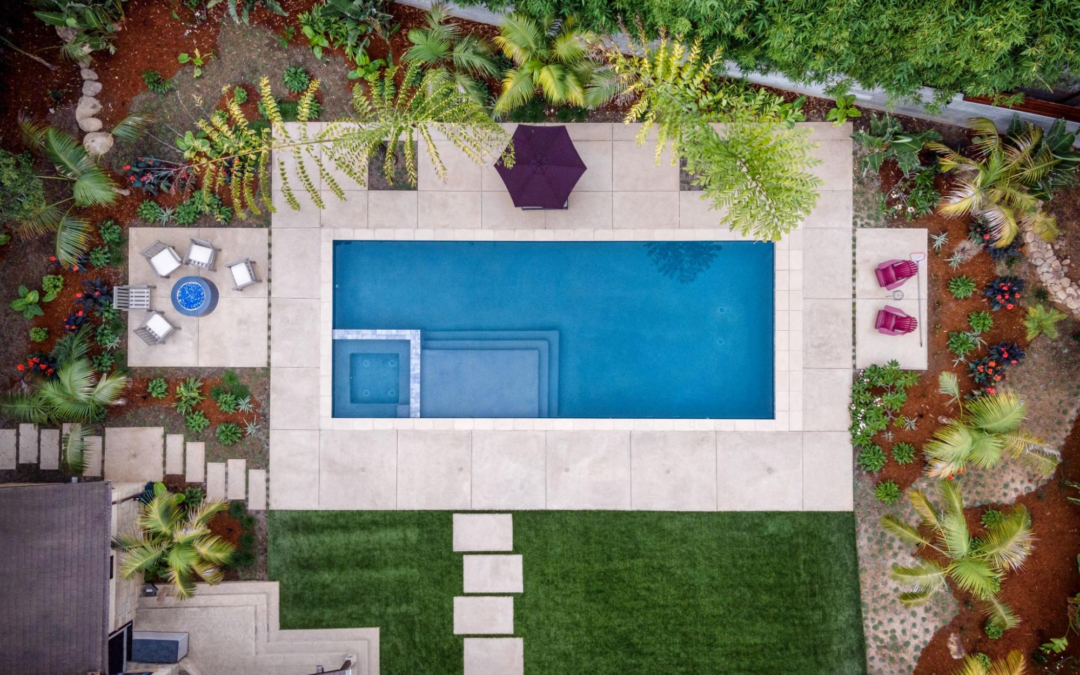
A remarkable backyard no longer begins and ends with a pool. The most compelling luxury backyard design treats the entire property as a composed experience: a place for quiet morning swims, long lunches beneath filtered shade, sunset gatherings around a fire feature, and evenings that continue effortlessly after the sun goes down. For Southern California homeowners, the goal is not to fill a yard with amenities. It is to create an outdoor environment with a point of view.
The strongest designs feel inevitable, as though the architecture, landscape, water, and views were always meant to belong together. Achieving that effect calls for more than premium materials. It requires thoughtful planning, disciplined detailing, and a clear understanding of how a family will actually live outdoors. A thoughtful luxury backyard design brings these elements together so the finished space feels cohesive rather than assembled.
Luxury Backyard Design Trends That Feel Personal
The defining trend in high-end exterior design is personalization. Rather than selecting features from a standard menu, discerning homeowners are asking for spaces that reflect the character of their home, their routines, and the way they entertain. This is where a custom luxury backyard design can make the greatest difference.
A coastal Malibu property may call for a restrained infinity-edge pool that directs the eye toward the ocean. A Calabasas estate may benefit from layered terraces, a generous spa, and intimate lounge zones that make a large property feel warm and connected. In the hills of Westlake Village or Thousand Oaks, preserving sightlines and responding gracefully to changing elevations may become the central design challenge.
This is why a custom design process matters. Before construction begins, a detailed 3D visualization can reveal how pool elevations, fire features, outdoor kitchens, material transitions, and furniture zones will read together. It gives homeowners the opportunity to refine their luxury backyard design before decisions become permanent, while allowing the design and engineering teams to solve complex site conditions early.
Sculptural Water as the Centerpiece
Pools are becoming more architectural and expressive. Clean geometric forms remain popular, particularly with contemporary homes, but they are often softened with oversized tanning ledges, integrated spas, floating stepping pads, or carefully placed planters. The result is less like a conventional recreational pool and more like a reflecting element within the landscape.
Vanishing edges continue to be sought after on view properties, though they are not the right choice for every yard. They require appropriate grades, structural planning, and a design that supports the visual drama of the feature. On flatter sites, perimeter-overflow detailing, raised waterlines, or a finely proportioned negative edge can create a similarly elevated effect without forcing a solution that does not suit the property. These tailored water features can become a defining element of a luxury backyard design because they connect the pool more intentionally to the surrounding landscape.
Dark interior finishes are also shaping luxury pool design. Charcoal, deep blue, and slate-toned surfaces can give water a more reflective, natural appearance, especially when paired with stone, warm wood tones, and restrained planting. Lighter finishes remain an excellent choice for homes seeking a bright, resort-inspired look. The right finish depends on the architecture, sunlight exposure, desired water color, and maintenance expectations.
Outdoor Rooms With a Clear Purpose
A luxurious backyard is increasingly organized as a collection of outdoor rooms. Each space has a reason to exist, yet the transitions between them feel natural. The pool deck might lead to a shaded dining pavilion, then to a fire lounge designed for conversation, while a quieter corner offers a private spa retreat or reading area. This layered approach is central to luxury backyard design trends because it allows the outdoor environment to support different activities without feeling fragmented.
This approach brings a greater sense of comfort to large yards and makes compact yards work harder. A well-designed seating area does not need to be oversized to feel generous. It needs proper scale, a compelling focal point, and enough separation from circulation paths to encourage guests to settle in.
Outdoor kitchens are also becoming more refined. The expectation has moved beyond a grill set into stone veneer. Today’s best installations are designed as true culinary spaces, with integrated refrigeration, storage, durable counters, task lighting, and a layout that keeps the host connected to guests. For frequent entertainers, a pizza oven, bar seating, or discreet service station can transform the experience. For homeowners who prefer simpler gatherings, a beautifully detailed grill island and dining area may be the more elegant choice.
Shade is essential to this conversation. Retractable canopies, architectural pergolas, and covered pavilions extend the usefulness of the yard during bright afternoons and warmer months. The key is to avoid creating a heavy structure that obstructs views or darkens interior rooms. Material selection, roofline height, and orientation should be considered alongside the home’s architecture from the beginning.
Fire Features With Architectural Restraint
Fire remains one of the most effective ways to create atmosphere after dark. Linear fire troughs, sculptural fire bowls, and sunken conversation areas offer visual warmth and invite people to linger. The most successful installations are not simply added as decoration. They establish a focal point and help define how an outdoor room is used. The emphasis on purposeful features reflects a broader direction in luxury backyard design: creating fewer, more meaningful elements rather than filling the space with amenities.
A fire feature near a pool can create a compelling contrast between water and flame, but scale is critical. Too many competing focal points can make a backyard feel staged rather than composed. In a minimal contemporary setting, one long linear feature may be enough. In a more expansive landscape, a fireplace or fire lounge can anchor a separate entertaining zone.
Fuel choice, safety clearances, wind exposure, and local permitting all deserve careful consideration. Luxury is as much about confidence and reliability as it is about visual impact. A feature should perform beautifully every time it is used.
Materials That Age With Grace
Among the most enduring luxury backyard design trends is a move toward materials with depth, texture, and longevity. Natural stone, porcelain, architectural concrete, hardwood accents, and hand-finished plaster all have a place when selected in harmony with the home and climate.
In Southern California, heat, salt air, intense UV exposure, and irrigation demand practical choices. A pale natural stone may look exceptional but can require more ongoing care than a premium porcelain surface with a similar visual character. Wood introduces warmth, but it must be specified with realistic expectations around maintenance and sun exposure. There is no universal best material. There is only the material that supports the design vision and the owner’s tolerance for upkeep.
Consistency matters as well. Repeating a stone from the pool coping at a low garden wall or outdoor kitchen helps the landscape feel intentional. A restrained palette often feels more luxurious than an assortment of expensive finishes competing for attention. This cohesive material approach helps a luxury backyard design feel like one complete environment.
Lighting and Automation That Serve the Experience
The most sophisticated lighting is felt before it is noticed. It guides guests safely across terraces, gives planting a sculptural presence, reveals texture in stonework, and makes water feel alive at night. Layered lighting is far more effective than relying on bright fixtures alone.
Pool lighting should be coordinated with landscape and architectural lighting, not designed in isolation. Warm white light generally creates a more timeless atmosphere around dining and lounging areas, while color-changing pool lights can be reserved for celebratory moments rather than becoming the default setting. Thoughtful nighttime illumination has become an increasingly important part of luxury backyard design as homeowners look to enjoy their outdoor spaces well after sunset.
Automation is equally valuable when it simplifies ownership. Intelligent controls can coordinate pool temperature, spa settings, lighting, water features, and equipment schedules from a single interface. This is especially appealing for second homes and busy households. Still, technology should support the environment rather than complicate it. A system with intuitive controls and dependable service is more valuable than one overloaded with functions no one uses.
Landscape Design as a Living Frame
The final layer is planting. Mature olive trees, sculptural palms, ornamental grasses, fragrant herbs, and native or climate-appropriate plantings can give a new project immediate character while respecting Southern California’s water realities. Landscape should frame views, soften hardscape, create privacy where needed, and introduce seasonal change. This connection between architecture and planting is another reason luxury backyard design trends increasingly focus on the property as a whole rather than on individual amenities.
A lush appearance does not have to mean excessive water use. Thoughtful irrigation, hydrozoning, shade planning, and climate-responsive species can create a generous garden with a more responsible long-term footprint. The most elegant landscapes balance visual abundance with restraint.
At Fluidity, this integrated perspective is central to creating outdoor living environments that feel bespoke rather than assembled. When water, architecture, hardscape, landscape, and technology are considered as one composition, a backyard becomes more than an impressive amenity. It becomes the setting for the life you want to spend at home. That holistic approach is what allows a luxury backyard design to remain beautiful, functional, and personal long after a particular trend has passed.
Ryan Clow, Owner
Fluidity Pool Designs
805-669-1200
[email protected]
Dive Into More Design Ideas
How Long Does It Take to Build a Pool? A Complete Timeline
How long does it take to build a pool? It is one of the first questions homeowners ask when they begin planning a new pool. Understanding the pool construction timeline can help you know what to expect from the initial consultation through the final walkthrough. A...
How to Choose the Right Pool Lighting for Your Backyard
Your pool doesn’t disappear when the sun goes down. In fact, the right pool lighting can completely transform how your backyard looks and feels at night. Thoughtfully placed lights can highlight architectural details, improve safety, create a relaxing atmosphere, and...
9 Pool Features That Can Transform Your Backyard
The right pool features can transform a backyard from a place to swim into a complete outdoor environment. The best features are not simply added for appearance. They can improve how you use the pool, create a stronger connection between the pool and surrounding...