
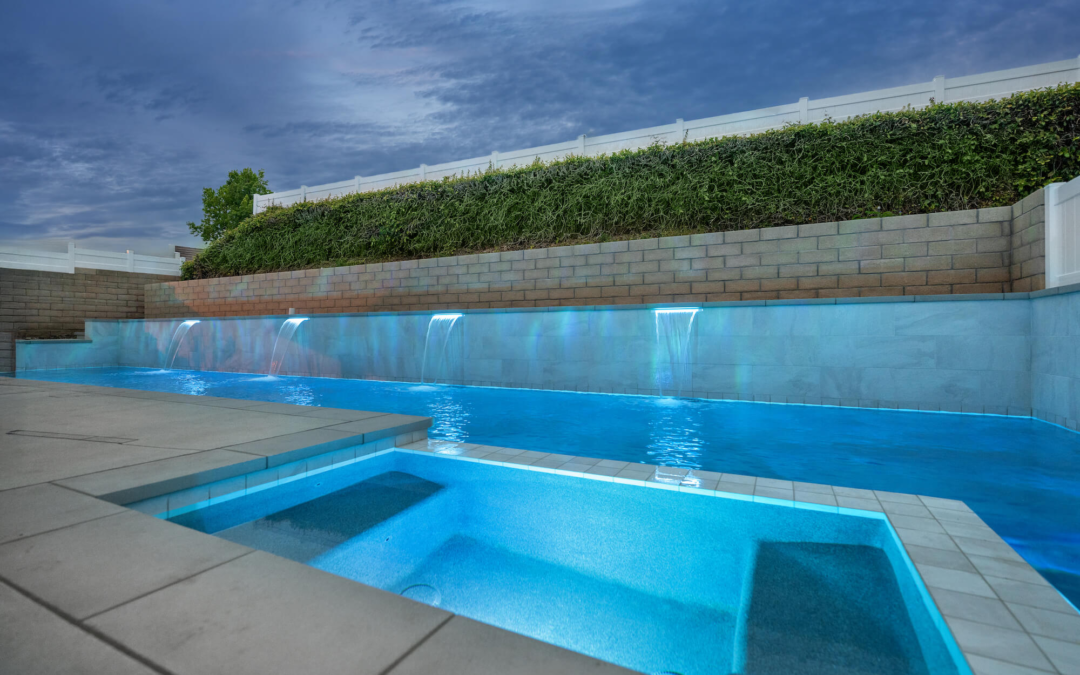
Choosing the right pool finish is an important part of creating a pool that feels intentional from every angle. The finish affects the color and appearance of the water, the texture of the pool interior, and how the pool works with the surrounding architecture and landscape.
With so many materials, colors, and textures available, it helps to look beyond the finish on its own. The best pool finish should complement the home, reflect the overall design direction, and create the atmosphere you want around the water.
A well-designed pool brings together many individual details, and the interior finish is one of the elements that can have a lasting visual impact. Here are seven considerations to help you choose a pool finish that feels right for your space.
1. Consider the Color You Want for the Water
The color of your pool finish plays a major role in how the water looks. Lighter finishes can create a bright, clear appearance, while deeper tones can give the water a richer blue, green, or lagoon-like quality.
When selecting a pool finish, think about the feeling you want the pool to create. A light finish can feel fresh and minimal, while a darker finish may feel more dramatic and natural. The right choice depends on the architecture, landscape, and atmosphere you want to create.
It is also important to remember that the finished water color will be influenced by sunlight, depth, surrounding landscaping, and the color of nearby materials. The same pool finish can look noticeably different depending on the setting.
2. Understand the Different Types of Pool Finishes
Pool finishes come in a range of materials and compositions, each with its own visual character. Common options include traditional plaster, aggregate finishes, and tile. Within those categories, there are also many choices in color, texture, and degree of variation.
Plaster can create a clean and consistent appearance, while aggregate finishes can introduce more texture and natural variation. Tile offers another opportunity to add color, pattern, or a highly refined detail to the pool interior.
The right pool finish depends on more than personal preference. Consider the architectural style of the home, the surrounding materials, and the overall design direction of the pool before narrowing down your options.
3. Look at the Finish in Its Natural Setting
A sample can look very different in a showroom than it does outdoors. Natural light changes throughout the day, and the surrounding landscape can affect how the finish is perceived once it is installed.
Before choosing a pool finish, consider how the material will look alongside the home, surrounding stone, landscaping, tile, and other outdoor finishes. Looking at larger samples in natural light can give you a better sense of the final result.
It can also help to view potential finishes at different times of day. Morning light, bright afternoon sun, and evening shade can all change the appearance of the material and the water.
For a luxury pool, these surrounding details are especially important. The finish should feel connected to the entire outdoor environment rather than selected as an isolated material.
4. Think About Texture and Visual Depth
Pool finishes are available in a range of textures, from smooth surfaces to finishes with more visible aggregate and variation. Texture can influence both the visual character and overall feel of the pool.
A subtle finish can support a clean, contemporary design, while a more textured or natural-looking pool finish can work beautifully with organic landscapes and natural stone.
The amount of variation within the material also matters. Some finishes have a more uniform appearance, while others create depth through a blend of tones and textures. Think about whether you want the pool interior to blend quietly into the design or become a more noticeable feature.
Texture can also influence how light interacts with the pool. Variation within the finish may create subtle changes across the surface as sunlight moves through the space.
5. Coordinate the Pool Finish With the Architecture
Your pool should feel like an extension of the home. When choosing a pool finish, look at the architectural style, exterior materials, and overall design language of the property.
For a contemporary home, a refined pool finish with clean lines and subtle variation may complement the architecture. For a Mediterranean, Spanish, or more traditional property, natural tones and handcrafted details may create a stronger connection.
The goal is not necessarily to match every material. Instead, choose a pool finish that complements the home’s architecture and contributes to a cohesive outdoor design.
Pay attention to the materials that are already present on the property. Stone, wood, concrete, metal, tile, and exterior paint colors can all help guide the direction of the pool finish.
6. Consider the Surrounding Landscape
Landscaping can have a significant effect on how your pool looks. Trees, grasses, stone, planting beds, and surrounding views all become part of the visual composition.
A pool finish with natural variation can blend beautifully into a landscape with mature planting and organic materials. A cleaner, more uniform finish may work better when the surrounding landscape has a more structured or minimalist aesthetic.
Think about the pool and landscape together rather than making the finish decision separately. The right combination can make the pool feel like it belongs naturally within the property.
This is particularly important when the pool is positioned near natural stone, mature trees, or a prominent landscape view. Rather than competing with those elements, the finish can help reinforce the relationship between the pool and its surroundings.
7. Consider How the Pool Will Look Throughout the Day
Sunlight, shade, and the time of day can all change the appearance of a pool finish. A finish that looks one way in bright midday sunlight may appear completely different in the early morning or evening.
This is especially important when a pool is surrounded by trees, structures, or other elements that create changing patterns of light and shadow.
If evening entertaining is an important part of how you use your backyard, consider how the pool finish will interact with your lighting design as well. Underwater lighting can emphasize the color and depth of the finish after sunset.
Thinking about both daytime and nighttime conditions can help you choose a pool finish that continues to feel beautiful beyond the brightest part of the day.
8. Coordinate the Finish With Tile and Coping
The pool interior does not exist on its own. Tile and coping create the visual transition between the water, pool structure, and surrounding deck, making them important considerations when selecting a pool finish.
A simple pool finish can be elevated with carefully selected tile, while a more expressive finish may benefit from quieter surrounding materials. The goal is to create contrast where it adds interest without allowing individual materials to compete.
Consider color, texture, scale, and pattern across all of these surfaces. When the materials are selected together, the finished pool can feel much more cohesive.
9. Look at the Pool as Part of the Complete Design
The pool finish is only one part of the overall pool design. Tile, coping, decking, landscaping, water features, lighting, and outdoor living spaces all contribute to the finished look.
Rather than choosing a pool finish first and coordinating everything around it later, consider how the materials will work together from the beginning. A thoughtfully selected combination can create a more cohesive and elevated result.
This approach is particularly valuable for custom pools, where every detail can be designed around the architecture and character of the property.
A well-considered pool finish should support the larger design rather than compete with it. When the finish, surrounding materials, landscape, and architecture work together, the pool becomes a natural part of the property.
Choose a Pool Finish That Complements Your Home
The right pool finish should do more than determine the color of the water. It should help connect the pool to the architecture, landscape, and overall experience of the backyard.
When you consider color, texture, natural light, architecture, landscaping, and the surrounding materials together, it becomes easier to choose a finish that feels intentional and timeless.
There is no single pool finish that works for every home. The most successful choice is one that responds to the character of the property and supports the way you want the outdoor space to feel.
Create a Pool Designed Around Your Home
At Fluidity Pool Designs, every detail of a custom pool is considered as part of the larger landscape and architectural setting. From the pool finish to the surrounding materials and outdoor living spaces, our goal is to create a design that feels naturally connected to your home.
Ready to start planning your pool? Contact Fluidity Pool Designs to discuss your project.
Ryan Clow, Owner
Fluidity Pool Designs
805-669-1200
[email protected]
Dive Into More Design Ideas
How Long Does It Take to Build a Pool? A Complete Timeline
How long does it take to build a pool? It is one of the first questions homeowners ask when they begin planning a new pool. Understanding the pool construction timeline can help you know what to expect from the initial consultation through the final walkthrough. A...
How to Choose the Right Pool Lighting for Your Backyard
Your pool doesn’t disappear when the sun goes down. In fact, the right pool lighting can completely transform how your backyard looks and feels at night. Thoughtfully placed lights can highlight architectural details, improve safety, create a relaxing atmosphere, and...
9 Pool Features That Can Transform Your Backyard
The right pool features can transform a backyard from a place to swim into a complete outdoor environment. The best features are not simply added for appearance. They can improve how you use the pool, create a stronger connection between the pool and surrounding...