by Fluidity | Jul 28, 2025 | Design
Why Pool Shape Matters in Santa Barbara
In Santa Barbara, your outdoor space is more than just a yard—it’s a lifestyle extension. With its coastal breezes, hillside views, and Mediterranean-style homes, pool design must blend beauty and utility. Choosing the right shape affects not only how your pool looks, but how it functions within the space. The layout, surrounding terrain, and architectural features all play a role in deciding the perfect shape. A well-chosen pool shape creates harmony with your home’s design, enhances views, and makes the most of your property’s layout.
Whether you’re building on a hillside, a compact lot, or a wide, flat lawn, your pool should feel like a natural extension of your living space. Additionally, the shape can affect how your pool interacts with sunlight and shade, which in turn impacts energy efficiency and comfort. In coastal areas with ocean views, homeowners may prioritize unobstructed sightlines. In contrast, homes nestled into the hills might value privacy and the ability to integrate the pool with terraced landscaping. In all cases, functionality should align with beauty—and that starts with shape.
Pool shapes also influence how you use the space: for example, a lap swimmer may prefer long, straight edges, while a family with children might opt for curves and shallow zones. Ultimately, Santa Barbara’s diverse geography requires thoughtful planning to match each pool to the unique footprint of your lot.
Classic Rectangular Pools
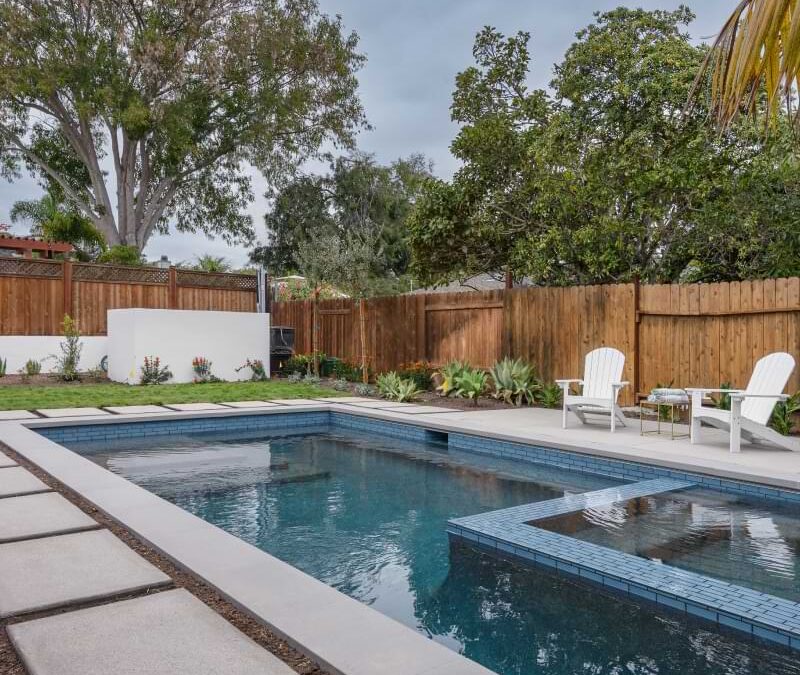
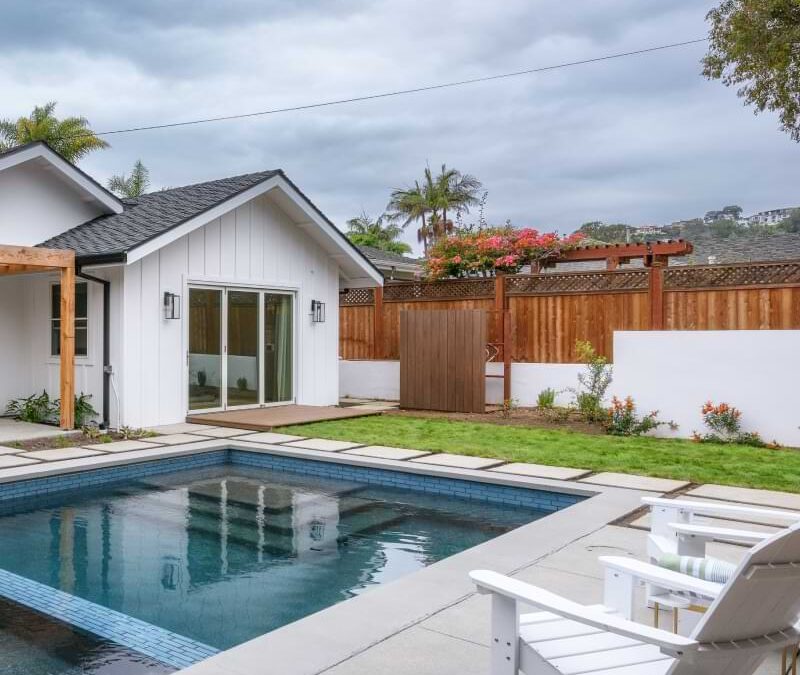
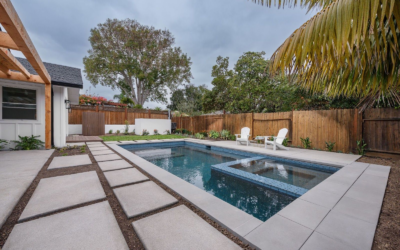
Rectangular pools remain a popular choice for their timeless appeal and modern elegance. These pools are perfect for streamlined, minimalist backyards and pair effortlessly with modern architecture. In Santa Barbara’s flat coastal areas, this shape offers an efficient footprint—great for lap swimming or relaxing poolside. The straight lines also make it easier to install pool covers, automatic cleaners, and even water features like fountains or vanishing edges. If you’re looking for something sleek and easy to maintain, this design fits the bill.
One overlooked benefit of rectangular pools is their versatility. You can easily integrate them into symmetrical patio layouts or align them with the grid of your home. They’re also easier to heat and clean due to their uniform dimensions. Many homeowners add step entries or shallow tanning ledges for added comfort and accessibility. In high-wind coastal zones, a rectangular pool’s shape can also reduce water loss from splashing compared to curved designs. It’s a practical, stylish choice that works for both casual use and exercise.
Freeform & Kidney‑Shaped Pools
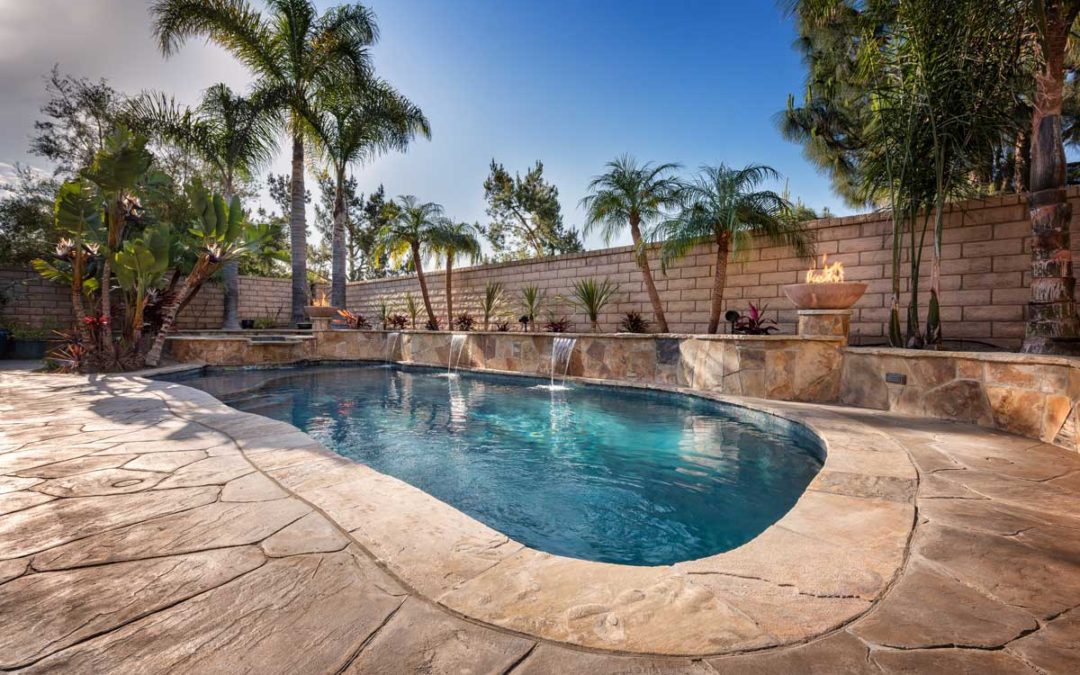
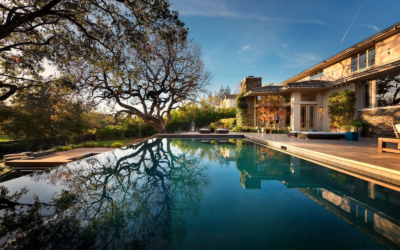
Inspired by natural lagoons, freeform and kidney-shaped pools are ideal for homeowners who want a backyard oasis that feels organic and serene. These curves help the pool blend into lush landscaping, rock features, or palm-filled gardens. Santa Barbara’s hillside or curved-lot homes benefit from this adaptability. These shapes can be tailored to wrap around patios, trees, or slopes, making them ideal for challenging terrain. If you want your pool to feel like it grew from the earth itself, go with a flowing, asymmetrical shape.
Freeform pools are also a favorite among homeowners who value creativity and fluidity in design. These pools often become the focal point of backyard landscaping, allowing for integration with waterfalls, grottos, or fire features. Kidney shapes, in particular, offer a natural division between shallow and deep ends, making them versatile for entertaining and play. Because of their adaptability, freeform pools are often used to work around existing structures like large trees, outdoor kitchens, or decks. In Santa Barbara, where lot shapes are rarely perfect rectangles, this flexibility is a game changer.
L‑Shaped and Geometric Lanes
L-shaped pools offer a two-in-one design solution: one leg for swimming, the other for lounging or shallow water play. It’s a great choice for families, fitness swimmers, or anyone looking to zone out their pool for multiple uses. Geometric pools—squares, triangles, or custom angular layouts—can transform a backyard into a bold architectural statement. If your Santa Barbara home has sharp edges and modern aesthetics, geometric lanes can echo those lines in the water.
L-shaped pools are particularly effective when you need your pool to wrap around a patio or conform to a corner space. They provide flexibility without looking too unconventional, offering a sleek layout with added surface area. They’re also great for creating a shallow lounging zone that doesn’t interrupt lap swimming. For homeowners who enjoy architectural minimalism, geometric pools can act as a sculptural element. Pairing angular shapes with concrete decking, LED lighting, and modern water features creates a stunning visual centerpiece for any outdoor space.
Oval & Rounded Pools
Oval and rounded pools have a soft, welcoming look that works well with transitional or traditional homes. They’re perfect for socializing, offering easy movement around the perimeter and no sharp corners—ideal for young families. Their symmetrical curves feel elegant without being rigid, and they blend beautifully into gardens and open courtyards. For homeowners who love timeless elegance, this shape delivers both charm and comfort.
Rounded shapes are especially popular in Mediterranean-inspired gardens and Spanish Colonial Revival homes—both styles that define Santa Barbara’s design scene. These pools provide a warm, nostalgic ambiance and feel at home among terracotta tiles, stucco walls, and mature hedges. Because oval pools don’t have harsh edges, they also tend to feel more spacious visually, even when the dimensions are modest. This makes them great for mid-sized lots where you want to preserve a sense of openness.
Adaptable Shapes for Sloped or Small Lots
Santa Barbara’s unique topography means not all backyards are created equal. For sloped properties or compact spaces, flexibility in design is key. Freeform and kidney pools can be shaped to follow the land’s natural contours, using retaining walls or infinity edges to take advantage of elevation changes.
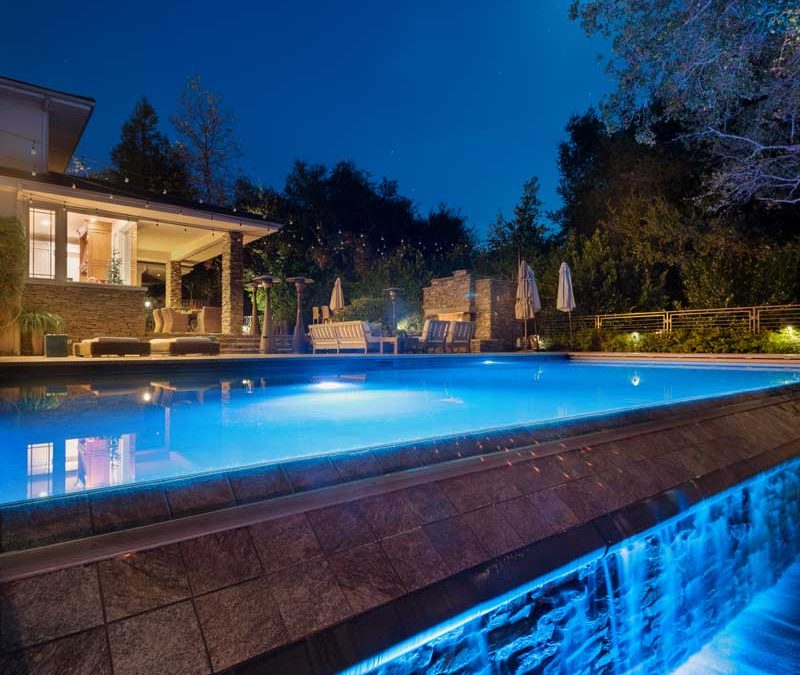
In smaller yards, narrower rectangular pools, plunge pools, or compact geometric designs make the most of limited square footage. These options still offer style and functionality without overwhelming your outdoor area. Infinity edges are especially popular in hillside homes, where the vanishing line can be aligned with scenic views of the ocean, mountains, or valleys.
For homes with narrow or tiered layouts, designing a pool that sits within one level of a multi-tiered yard allows for more functional living zones and better traffic flow. If your lot is irregular, don’t worry—custom pool shapes can be created to accommodate retaining walls, property lines, or existing garden features. A well-designed pool should enhance your landscape, not fight against it.
How to Match Pool Shape to Your Property
Your pool should complement both your home and the environment around it. Here’s a simple guide to finding a shape that suits your property:
- Modern, flat yards: Choose Rectangular or L‑shaped pools for a sleek, architectural finish.
- Hillside or curved lot lines: Go with Freeform or Kidney-shaped designs to follow the landscape’s natural flow.
- Traditional architecture: Consider Oval or softly rounded pools to echo historic elegance.
- Compact outdoor spaces: Narrow rectangular, plunge, or petite freeform shapes maximize your yard’s potential.
Why Choose Fluidity for Design & Shape Expertise
At Fluidity, we go beyond basic pool design. Our team combines decades of experience with a deep understanding of Santa Barbara’s architectural styles, climate, and landscape diversity. We take the time to assess your site, listen to your goals, and create a tailored solution that’s both luxurious and livable.
From permits and materials to layout and lighting, every detail is crafted with your lifestyle in mind. Whether your space calls for a modern statement or a soft garden escape, Fluidity helps you design a pool that reflects who you are.
Getting Started with Fluidity
Ready to bring your dream pool to life? The first step is a personalized site evaluation. We’ll review your home’s layout, your terrain, and your vision to recommend the best pool shapes and features for your backyard. Fluidity makes the process seamless, from concept to construction. Let us help you design a pool that’s more than a place to swim—it’s a place to relax, connect, and enjoy the beauty of Santa Barbara.
Conclusion
The right pool shape can turn a backyard into your personal oasis. In Santa Barbara, where every property is different, it’s important to choose a shape that enhances your home, terrain, and daily lifestyle. Whether you want a lap lane, a spa-like retreat, or a family-friendly swim area, Fluidity is here to bring your vision to life.
Contact Information
Have questions or ready to begin your luxury pool build in Santa Barbara? Reach out to our team — we’re here to help.
Phone: (805) 669‑1200
Email: [email protected]
by Fluidity | Jul 15, 2025 | Design
How to Choose the Best Custom Pool Builder in Santa Barbara: What to Look For
Building a custom pool is a significant investment, especially in Santa Barbara where luxury and design excellence are paramount. Choosing the right pool builder can make all the difference in creating the backyard oasis you envision. This guide will walk you through key factors to consider when selecting a trusted and experienced custom pool contractor in Santa Barbara.
1. Look for Local Experience and Expertise
Santa Barbara’s unique climate, terrain, and building codes require specialized knowledge. The best custom pool builders have extensive experience working specifically in this region. They understand the local permitting process, environmental considerations, and design aesthetics that appeal to homeowners here.
2. Check Their Portfolio and Customer Reviews
A reputable builder will have a portfolio showcasing a variety of luxury pool designs tailored for Santa Barbara homes. Look for projects similar in scale and style to what you want. Reading customer reviews and testimonials can also give you insight into their workmanship, professionalism, and reliability.
3. Verify Licensing, Insurance, and Warranty
Always ensure your pool builder is properly licensed and insured in California. This protects you from liability and ensures the builder meets state standards. Additionally, inquire about warranties on both construction and equipment to guarantee your investment is protected long-term.
4. Transparent Communication and Detailed Proposals
The best builders provide clear, detailed proposals outlining all costs, timelines, and materials. They maintain open communication throughout the project and are responsive to questions or concerns. This transparency builds trust and reduces surprises.
5. Sustainability and Energy Efficiency
Given Santa Barbara’s focus on environmental responsibility, consider builders who incorporate sustainable practices. This includes energy-efficient pool equipment, water-saving features, and eco-friendly construction materials that can save you money and reduce environmental impact.
Final Thoughts
Choosing the right custom pool builder in Santa Barbara means finding a partner who understands your vision, respects local nuances, and delivers quality craftsmanship. At Fluidity, we combine years of regional expertise with a passion for creating luxurious, personalized pool experiences. Contact us today to start designing your dream pool.
by Fluidity | Jul 10, 2025 | Energy-Efficiency
Energy-Efficient Pool Systems for California Homes: 2025 Guide
California’s energy costs and environmental consciousness make energy-efficient pool systems essential for smart homeowners. Understanding available technologies helps reduce operating costs while supporting the state’s sustainability goals.
After installing energy-efficient systems in 500+ California pools over 15 years, we’ve identified the technologies that deliver the best return on investment for local conditions.
California’s Energy Landscape for Pools
California’s high electricity rates make pool energy efficiency crucial for cost control. Time-of-use pricing structures reward off-peak equipment operation. Additionally, state rebates and incentives support energy-efficient pool equipment purchases.
Furthermore, California’s abundant sunshine creates ideal conditions for solar pool heating systems. The state’s mild climate allows year-round pool use with proper energy management.
Consequently, energy-efficient pool systems often pay for themselves through utility savings while supporting California’s environmental goals.
Solar Pool Heating Systems
Solar pool heating represents the most cost-effective heating option for California pools. These systems harness abundant sunshine to maintain comfortable water temperatures. Additionally, solar heating operates virtually free after initial installation costs.
Furthermore, modern solar collectors integrate seamlessly with existing pool equipment and automation systems. Roof-mounted systems typically provide optimal sun exposure while ground-mounted options work for properties with limited roof space.
Solar heating systems often extend swimming seasons by 3-4 months in California’s climate. Moreover, these systems typically pay for themselves within 2-4 years through energy savings.
Variable Speed Pool Pumps
Variable speed pumps deliver significant energy savings compared to traditional single-speed models. These pumps adjust motor speed based on pool needs, reducing energy consumption by 50-90%. Additionally, variable speed operation provides quieter performance suitable for residential neighborhoods.
Furthermore, programmable controls optimize pump operation for different pool functions including filtration, heating, and water features. Smart scheduling runs pumps during off-peak hours when electricity rates are lowest.
California utility rebates often offset 30-50% of variable speed pump costs. Moreover, these pumps typically pay for themselves within 1-2 years through energy savings.
LED Pool Lighting Systems
LED lighting systems consume 80% less energy than traditional incandescent pool lights. These systems provide superior color options and programmable effects while reducing electricity costs. Additionally, LED lights last 25,000+ hours compared to 1,000 hours for incandescent bulbs.
Furthermore, smart controls allow scheduling and remote operation through smartphone applications. Color-changing capabilities create entertainment value while maintaining energy efficiency.
LED systems integrate with home automation platforms for comprehensive energy management. Moreover, reduced heat output from LED lights helps maintain comfortable pool temperatures.
Smart Pool Automation Systems
Smart automation systems optimize energy consumption through intelligent equipment scheduling and monitoring. These systems learn usage patterns and adjust operations accordingly. Additionally, weather integration prevents unnecessary equipment operation during storms or extreme conditions.
Furthermore, remote monitoring identifies equipment inefficiencies before they become costly problems. Predictive maintenance alerts help prevent energy waste from poorly performing equipment.
Energy management features automatically shift operations to off-peak hours when electricity rates are lowest. Moreover, integration with home energy systems provides comprehensive household energy optimization.
Heat Pump Technology
Heat pumps provide energy-efficient pool heating by extracting heat from ambient air. These systems operate 3-5 times more efficiently than gas heaters in California’s mild climate. Additionally, heat pumps work effectively in temperatures above 45°F, suitable for most California locations.
Furthermore, variable speed heat pumps adjust output based on heating demands for optimal efficiency. Inverter technology provides precise temperature control while minimizing energy consumption.
Heat pumps integrate well with solar heating systems for hybrid approaches that maximize efficiency. Moreover, these systems provide consistent heating performance throughout California’s extended swimming season.
Pool Covers and Thermal Retention
Pool covers represent one of the most cost-effective energy conservation measures for California pools. Covers reduce heat loss by 70-80% while preventing water evaporation. Additionally, covers reduce chemical consumption by blocking UV rays and debris.
Furthermore, automatic cover systems encourage daily use through convenient operation. Solar covers provide heating benefits while manual covers offer maximum heat retention.
Liquid solar covers provide invisible heat retention for pools where physical covers aren’t practical. Moreover, these products reduce evaporation and chemical usage with minimal maintenance requirements.
Efficient Filtration Systems
Modern filtration systems reduce energy consumption through improved design and materials. Cartridge filters eliminate backwashing water waste while providing superior filtration quality. Additionally, these systems operate at lower pressures, reducing pump energy requirements.
Furthermore, oversized filters reduce cleaning frequency and pressure requirements. DE filters provide excellent water quality with minimal energy consumption when properly maintained.
Filter cleaning systems automate maintenance while optimizing energy efficiency. Moreover, proper filter sizing and maintenance significantly impact overall system energy consumption.
Water Feature Energy Management
Water features can operate efficiently with proper design and controls. Variable speed pumps allow customized operation for different water feature effects. Additionally, timer controls limit operation to desired periods for energy conservation.
Furthermore, LED lighting for water features provides dramatic effects with minimal energy consumption. Solar-powered water features eliminate electrical consumption entirely for smaller applications.
Recirculation systems for water features reduce water waste while maintaining visual appeal. Moreover, smart controls adjust water feature operation based on occupancy and entertainment needs.
California Rebates and Incentives
California utilities offer substantial rebates for energy-efficient pool equipment. Variable speed pump rebates typically range from $200-$800 depending on efficiency ratings. Additionally, solar heating system rebates help offset installation costs.
Furthermore, time-of-use rate structures reward off-peak equipment operation with lower electricity rates. Net metering programs credit excess solar production back to utility accounts.
Local air quality districts may offer additional incentives for replacing gas heating with electric heat pumps. Moreover, federal tax credits apply to solar heating systems and other renewable energy equipment.
System Integration and Optimization
Comprehensive energy efficiency requires integration of multiple systems and technologies. Smart controllers coordinate equipment operation for maximum efficiency while maintaining desired pool conditions. Additionally, energy monitoring provides real-time feedback on system performance.
Furthermore, professional system design ensures proper equipment sizing and integration for optimal efficiency. Oversized or undersized equipment wastes energy and reduces performance.
Regular maintenance keeps systems operating at peak efficiency while preventing energy waste from dirty filters or poorly calibrated equipment. Moreover, professional energy audits identify optimization opportunities in existing systems.
Return on Investment Analysis
Energy-efficient pool systems typically provide excellent returns on investment in California’s high-cost energy environment. Solar heating systems often pay for themselves within 2-4 years. Additionally, variable speed pumps usually recover costs within 1-2 years.
Furthermore, LED lighting systems provide immediate energy savings with 10+ year payback periods through reduced replacement costs. Heat pumps offer 3-5 year payback periods depending on usage patterns.
Combined system approaches often provide faster payback periods through synergistic effects. Moreover, energy-efficient systems typically increase property values while reducing operating costs.
Frequently Asked Questions
What pool equipment offers the best energy savings in California?
Variable speed pumps and solar heating provide the highest energy savings for most California pools. LED lighting and smart automation systems also deliver significant efficiency improvements.
How much can energy-efficient systems reduce pool operating costs?
Properly designed efficient systems typically reduce pool energy costs by 50-80%. Solar heating can eliminate heating costs entirely during sunny periods.
Are there rebates available for energy-efficient pool equipment?
Yes, California utilities offer rebates for variable speed pumps, efficient heaters, and other qualifying equipment. Solar systems may qualify for federal tax credits.
Do energy-efficient systems work in all California climates?
Yes, efficient systems work throughout California with proper selection and sizing. Coastal areas benefit most from heat pumps while inland areas favor solar heating.
How long do energy-efficient pool systems last?
Quality efficient systems typically last 10-15 years with proper maintenance. LED lights last 25,000+ hours while variable speed pumps often exceed 10-year lifespans.
Ready to Maximize Pool Energy Efficiency?
Reduce your California pool’s energy consumption while maintaining optimal performance. Contact Pool Designs by Fluidity for expert guidance on energy-efficient system selection and installation.
Our efficiency expertise includes:
- Solar heating system design and installation
- Variable speed pump selection and programming
- Smart automation system integration
- Energy audit and optimization services
Contact Information:
Phone: (805) 669-1200
Email: [email protected]
Service Areas: Santa Barbara, Montecito, Hope Ranch, Goleta, Carpinteria, Ventura County
Download our “California Pool Energy Efficiency Guide” with system comparisons, rebate information, and ROI calculations.
This guide represents 15+ years of California pool energy efficiency expertise. Contact our specialists for personalized efficiency consultation and professional system design.


Recent Comments