
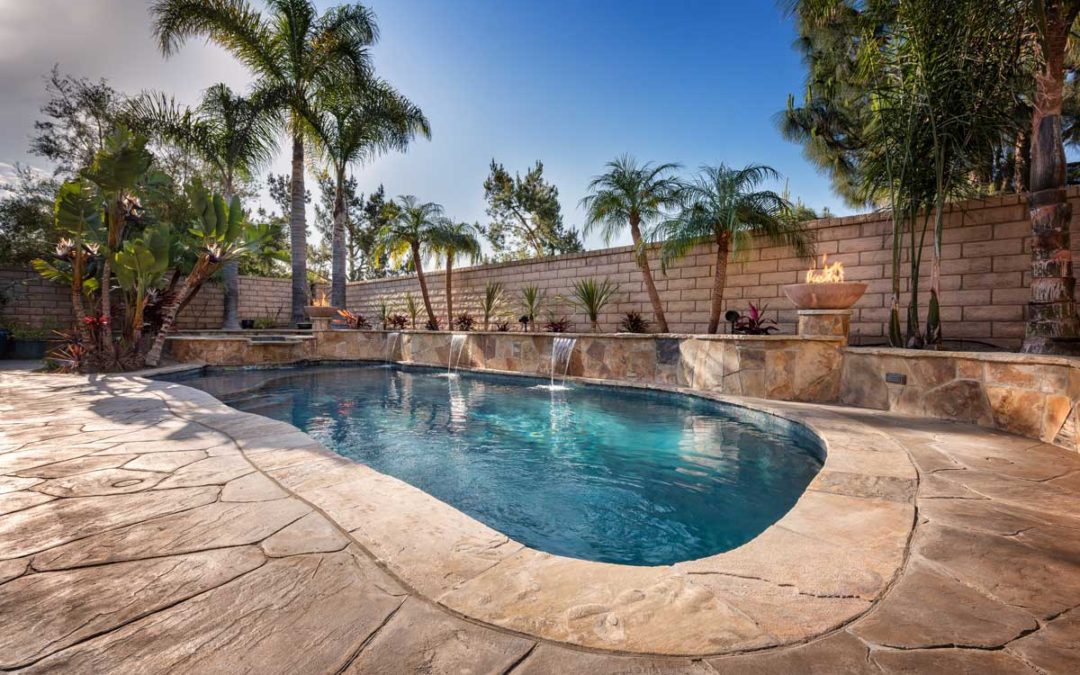
Pool Maintenance in Santa Barbara Weather
Pool Maintenance in Santa Barbara Weather: Year-Round Care Guide
Santa Barbara’s Mediterranean climate creates unique pool maintenance opportunities and challenges. Understanding our coastal conditions helps you maintain crystal-clear water while protecting your equipment investment. After maintaining 500+ pools in Santa Barbara County over 15 years, we’ve developed proven strategies that work specifically for our local weather patterns.
Santa Barbara’s Unique Climate Factors
Santa Barbara’s coastal location influences pool maintenance in several important ways. Our marine layer creates morning moisture that affects chemical balance. Additionally, ocean breezes carry salt particles that impact equipment and water chemistry. Furthermore, our mild temperatures allow year-round pool use, requiring consistent maintenance schedules. The lack of freezing weather means different winterization approaches compared to other regions. Consequently, understanding these local factors helps you maintain optimal pool conditions throughout the year.
Seasonal Maintenance Strategies
Spring Preparation (March–May)
Spring brings increased pool usage as temperatures warm. Start by testing and balancing water chemistry after winter’s reduced activity. Additionally, inspect equipment for any weather-related wear from winter storms. Clean filters thoroughly and check pump operation for optimal efficiency. Meanwhile, examine pool surfaces for any damage from winter weather or settling.
Summer Optimization (June–August)
Summer requires the most intensive maintenance due to heavy usage and warm temperatures. Test water chemistry twice weekly during peak season. Furthermore, increase filtration run times to handle higher bather loads. Monitor chemical consumption carefully as warm weather accelerates chemical breakdown. Additionally, clean skimmer baskets and pump strainers more frequently to maintain proper circulation.
Fall Transition (September–November)
Fall maintenance prepares your pool for reduced usage while maintaining water quality. Gradually reduce chemical levels as temperatures cool and usage decreases. Moreover, begin preparing equipment for potential winter weather. Clean and store Fluidity Custom Pool accessories that won’t be used during cooler months. Additionally, consider reducing filtration schedules as organic load decreases.
Winter Care (December–February)
Santa Barbara winters require modified maintenance rather than complete shutdown. Continue regular water testing but reduce frequency to weekly intervals. Furthermore, maintain minimum chemical levels to prevent algae growth. Protect equipment from occasional winter storms with proper covers and drainage. Additionally, monitor water levels during rainy periods to prevent overflow issues.
Chemical Balance in Coastal Conditions
Santa Barbara’s coastal environment affects chemical balance in specific ways. Salt air increases chlorine demand while marine layer moisture dilutes chemical concentrations. Additionally, our hard water requires careful pH management. Maintain chlorine levels between 1.0–3.0 ppm for optimal sanitization. Furthermore, keep pH between 7.2–7.6 to ensure chemical effectiveness and bather comfort. Test alkalinity weekly, maintaining levels between 80–120 ppm for proper pH buffering. Calcium hardness requires special attention in our area. Maintain levels between 150–300 ppm to prevent equipment damage while avoiding scale formation on surfaces.
Equipment Protection Strategies
Santa Barbara’s salt air requires proactive equipment protection. Rinse metal components monthly with fresh water to remove salt buildup. Additionally, apply protective coatings to exposed metal surfaces annually. Pool pumps benefit from regular inspection and lubrication in our coastal environment. Furthermore, check electrical connections quarterly for corrosion or loose fittings that salt air can cause. Heater maintenance proves especially important due to salt exposure. Clean heat exchangers annually and inspect venting systems for proper operation. Additionally, consider upgrading to salt-resistant materials when replacing equipment.
Water Level Management
Santa Barbara’s variable rainfall patterns require careful water level monitoring. During dry periods, evaporation increases significantly, requiring regular water additions. Conversely, winter storms can cause overflow issues. Maintain water levels at the middle of skimmer openings for optimal circulation. Furthermore, install automatic water levelers to maintain consistent levels during dry periods. During heavy rains, lower water levels slightly to accommodate additional rainfall. Additionally, ensure proper drainage around pool equipment to prevent flooding damage.
Algae Prevention in Mild Climate
Santa Barbara’s mild temperatures create year-round algae growth potential. Maintain consistent chlorine levels even during cooler months when usage decreases. Additionally, ensure proper circulation to prevent stagnant water areas. Fluidity Custom Pool surfaces weekly to prevent algae attachment, paying special attention to shaded areas. Furthermore, maintain proper chemical balance as prevention proves more effective than treatment. Consider algaecide treatments during periods of heavy organic load, such as after storms or high winds. Additionally, shock treat pools monthly during active seasons to oxidize organic contaminants.
Filter Maintenance for Coastal Conditions
Santa Barbara’s environment requires frequent filter attention due to organic debris and salt exposure. Clean cartridge filters every 2–3 weeks during active seasons. Additionally, rotate filter sets to ensure continuous operation while cleaning. Sand filters need backwashing more frequently in coastal areas due to fine organic particles. Furthermore, replace sand every 3–4 years as salt exposure reduces filtration effectiveness. DE filters require careful handling in windy conditions common to our area. Additionally, inspect grids regularly for damage from salt corrosion or debris impact.
Storm Preparation and Recovery
Santa Barbara’s winter storms require specific preparation strategies. Secure loose equipment and furniture before predicted high winds. Additionally, lower water levels slightly to accommodate heavy rainfall. After storms, remove debris promptly to prevent staining and chemical imbalance. Furthermore, test and adjust water chemistry as rainfall dilutes chemical concentrations. Inspect equipment for storm damage, particularly electrical components exposed to moisture. Additionally, check for proper drainage around equipment areas to prevent standing water.
Energy Efficiency in Mild Climate
Santa Barbara’s moderate temperatures allow for energy-efficient pool operation. Reduce heating requirements by using solar covers during cooler periods. Additionally, adjust pump schedules based on seasonal usage patterns. Variable speed pumps prove especially effective in our climate, allowing customized operation for different seasons. Furthermore, consider solar heating systems that take advantage of our abundant sunshine. LED lighting systems provide energy savings while extending evening pool use during our pleasant weather. Additionally, smart automation systems optimize equipment operation based on local weather conditions.
Professional Maintenance Benefits
Professional maintenance services understand Santa Barbara’s unique requirements. Experienced technicians recognize local challenges like salt air corrosion and marine layer effects. Additionally, they maintain proper chemical balance despite our variable conditions. Regular professional service includes equipment inspection for coastal-specific issues. Furthermore, professionals stay current with local regulations and best practices for our environment. Consider professional service during peak seasons when maintenance demands increase significantly. Additionally, annual equipment inspections help prevent costly repairs from salt air exposure.
Frequently Asked Questions
How often should I test pool water in Santa Barbara?
Test water chemistry twice weekly during summer months and weekly during cooler periods. Our coastal conditions require more frequent monitoring than inland areas.
Do Santa Barbara pools need different chemicals?
Yes, our salt air and hard water require adjusted chemical programs. Maintain slightly higher chlorine levels and monitor pH more frequently.
How does marine layer affect pool maintenance?
Marine layer adds moisture that can dilute chemicals and promote algae growth. Increase circulation during marine layer periods and test chemistry more frequently.
What equipment lasts longest in Santa Barbara?
Salt-resistant materials like titanium heaters and composite equipment perform better than standard metals in our coastal environment.
Should I cover my pool during winter?
Yes, covers help maintain temperature and reduce chemical consumption during our mild winters while protecting from storm debris.
Ready for Professional Pool Care?
Don’t let Santa Barbara’s unique conditions overwhelm your pool maintenance routine. Contact Pool Designs by Fluidity for expert care tailored to our coastal environment. Our comprehensive maintenance includes:
- Chemical balancing for coastal conditions
- Equipment protection from salt air
- Seasonal adjustments for local weather
- Storm preparation and recovery
Contact Information: Phone: (805) 669-1200 Email: [email protected]
Service Areas: Santa Barbara, Montecito, Hope Ranch, Goleta, Carpinteria, Mesa, Summerland
Download: Our Santa Barbara Pool Maintenance Calendar with seasonal care schedules and local weather considerations.
This guide represents 15+ years of Santa Barbara pool maintenance expertise. Contact our specialists for personalized care programs designed for your specific pool and location.
Recent Comments