

Inground Pool Montecito Strategy & Experience Playbook
Montecito inground pool design anchors every conversation our builders have with estate families preparing to transform their grounds into wellness retreats. To ensure compliance, we coordinate closely with Santa Barbara County inspections and Montecito Water District requirements (SantaBarbaraCountyP&D) (MontecitoWaterDistrict). This proactive approach helps projects proceed smoothly while maintaining long-term stewardship.
- Permit and inspection coordination grounded in county documentation.
- Risk mitigation strategies addressing sustainability, luxury, and compliance.
- Front-loaded documentation to streamline approvals and maintain project momentum.
We scope each inground pool project individually because soils, structural ambition, and amenity depth vary per estate. By front-loading Santa Barbara County reviews and Montecito Water District variance clearances, we keep approvals aligned with each estate’s realities (SantaBarbaraCountyP&D) (MontecitoWaterDistrict).
Site Planning And Capital Considerations
Before design begins, our team maps soils, structural opportunities, and equipment allowances. Then, trustees gain clarity on every element of the capital stack, which reduces uncertainty during construction. Additionally, visualizations demonstrate how pool placement, structural elements, and automation integrate seamlessly with the grounds.
Pre-Application Strategy for Montecito Pool Permits
We treat pre-application meetings as essential because they define expectations for every Montecito pool permit. During these sessions, our design team presents soils, drainage, and lighting plans before officials request them, preventing discretionary delays. Early identification of heritage trees, neighbor sightlines, and coastal site specifics eliminates unnecessary review cycles.
Coordinating Santa Barbara County Inspections
After we secure permits, superintendents book and prepare for inspections in advance. Then, they document gas pressure, bonding, and barrier readiness, storing the evidence in Procore for reference. This method ensures that inspectors approve work efficiently, which keeps the project on track.
Montecito Water District Stewardship
We assemble all documentation required for Montecito Water District variance approvals as soon as excavation plans are finalized. Our team attaches evaporation studies, leak tests, and irrigation schedules to every submission. By logging refill dates, meter readings, and inspector sign-offs, we demonstrate stewardship and ensure smooth regulatory approvals.
- Attach evaporation studies and leak test plans to every variance packet.
- Suspend irrigation zones during the designated fill window and communicate schedules to district staff.
- Log refill dates, meter readings, and inspector sign-offs in the compliance binder.
Site Access and Logistics
To protect the estate and maintain privacy, we choreograph deliveries, heavy equipment, and staging carefully. We lay temporary steel plates, post QR-coded notices, and manage traffic flow. As a result, projects proceed efficiently without disrupting daily life.
- Stagger deliveries to prevent street congestion.
- Protect shared drives with temporary steel plates.
- Provide QR-coded notices linking neighbors to the live site schedule.
Weatherproofing and Emergency Planning
Coastal weather shifts rapidly, so we design drainage, capture basins, and micropiles using California Geological Survey hazard layers (CaliforniaGeologicalSurvey). Storm protocols include securing forms, wrapping rebar, and documenting every response for insurance purposes. Consequently, pools and landscapes remain protected even during unexpected events.
Contractor Coordination and Communication
We hold regular coordination meetings to align all trades with the project roadmap. Each session reviews upcoming inspections, punch lists, and open RFIs. Clear communication prevents misunderstandings and supports high-quality outcomes across all phases.
Energy And Water Integration
Energy-efficient design includes solar pool heating, variable-speed pumps, and smart automation (USDepartmentOfEnergy). Additionally, we implement sub-metering, backwash recycling, and ultraviolet sanitation to comply with Montecito Water District standards. These measures maintain operational efficiency while reducing environmental impact.
- Sub-metering compares daily make-up water to the approved water budget.
- Backwash recycling loops feed polished water into irrigation storage tanks.
- Ultraviolet sanitation units stabilize chemistry for inspections.
Long-Term Operations Roadmap
After commissioning, our technicians calibrate pumps, replace filters with WaterSense-rated models, and update automation firmware. Estate managers can monitor performance remotely and maintain the pool effectively. Centralized record-keeping simplifies ongoing maintenance and resale due diligence, preserving estate value.
Frequently Asked Questions
What makes Montecito pool construction unique?
Hillside estates often require custom retaining walls, imported finishes, and advanced automation. Our team develops tailored plans that meet both architectural and regulatory standards. Furthermore, we integrate water and energy systems to enhance estate sustainability.
How long does permit approval typically take?
When complete soils, drainage, and lighting packages are submitted upfront, permits follow Santa Barbara County review targets. Pre-scheduled discretionary reviews further reduce revisions, keeping approvals predictable and efficient.
What water restrictions apply to new pools in Montecito?
Variance approval is required before draining or refilling substantial basin volumes, and meter data verifies compliance. Our team tracks this data carefully to maintain transparency and regulatory alignment.
Which sustainability upgrades deliver the strongest impact?
Solar pool heating arrays combined with variable-speed pumps, insulated covers, and smart automation maximize efficiency and savings. Additionally, these upgrades demonstrate stewardship for both estate owners and regulators.
How should estate managers prepare for inspections?
Managers review checklists with our superintendent and prepare all documentation one day in advance. Uploading proofs to a shared portal ensures inspectors spend less time onsite and minimizes corrections.
What documentation is required for approvals?
Executed contracts, lien releases, insurance certificates, variance approvals, and soils reports allow all parties to verify compliance efficiently. This process also creates a clear audit trail for estate management.
Conclusion
At Fluidity, we combine years of regional expertise with a passion for creating luxurious, personalized pool experiences. Contact us today to start designing your dream pool.
Dive Into More Design Ideas
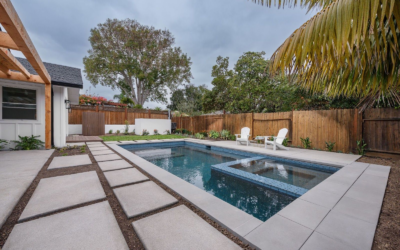
What Sets a Custom Pool Builder Apart From Standard Pool Companies
What Sets a Custom Pool Builder Apart From Standard Pool Companies Not every pool builder is created equal, and that's not a knock on anyone. It's just the reality of an industry where the range between "good enough" and "absolutely extraordinary" is wider than you...

Why Luxury Pool Design Requires a Design-First Approach
Why Luxury Pool Design Requires a Design-First Approach If you've ever scrolled through photos of breathtaking backyard retreats and wondered what sets a luxury pool apart from a standard one, here's the secret: it almost always comes down to what happened before...
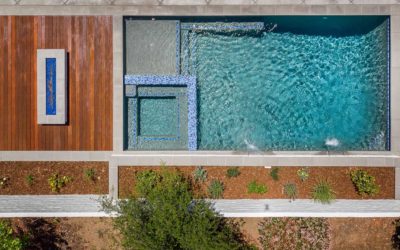
Montecito Pool Landscaping Design Strategy & Experience Playbook
Montecito Pool Landscaping Design Strategy & Experience Playbook Montecito pool landscaping design defines how our studio transforms estate grounds into cohesive wellness environments. By integrating horticulture, grading, lighting, and water stewardship,...